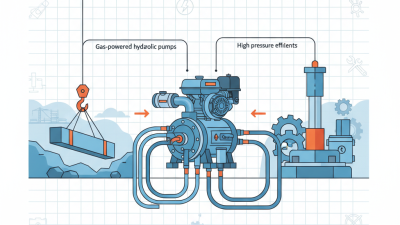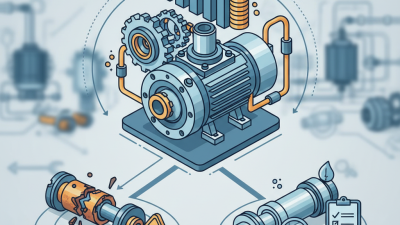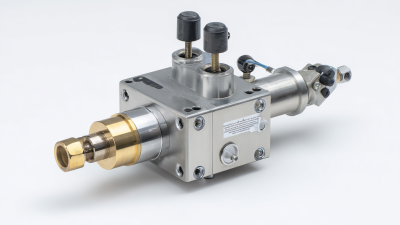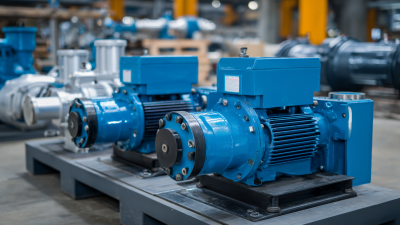

As industries evolve, the demand for efficient power sources grows. The gas powered hydraulic pump has become a vital tool. A report by Market Research Future indicates a CAGR of 5.12% in this market from 2020 to 2027. Its features cater to various applications, making it indispensable in fields like construction and agriculture.
John Thompson, an industry expert, emphasizes, “The reliability of gas powered hydraulic pumps is unmatched in remote locations.” These pumps provide unmatched portability and operational flexibility. They excel in tough environments, where electric alternatives may fall short. Users benefit from their robust design and high efficiency.
However, challenges exist. Maintenance can be demanding, and fuel costs may rise. Users should be aware of these potential drawbacks. Consideration of new technologies could enhance performance further. The gas powered hydraulic pump remains a crucial player in the evolving landscape of power equipment.
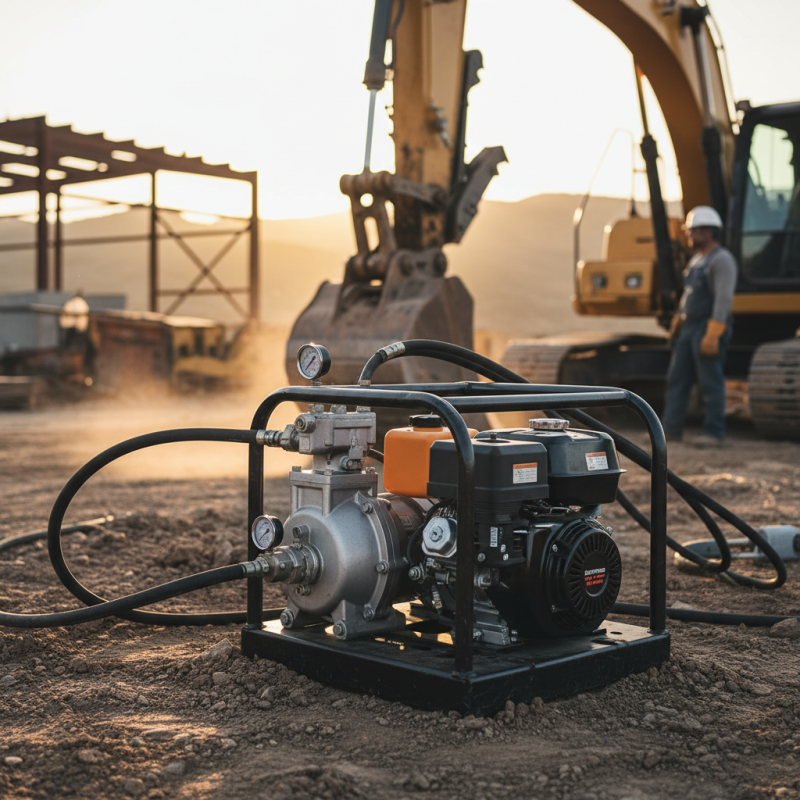
Gas powered hydraulic pumps have become increasingly popular in various industries for their efficiency and reliability. These pumps are particularly favored in remote locations. They provide a powerful solution where electric power is not accessible. According to industry reports, gas powered hydraulic pumps can produce pressure levels exceeding 5,000 PSI. This makes them suitable for demanding applications such as construction and equipment maintenance.
Moreover, they are often noted for their portability. Many models weigh under 120 pounds, making them easy to transport. This is essential for jobs that require mobility. However, users should consider fuel availability and emission regulations. Gasoline engines may be less environmentally friendly compared to electric models.
Fuel efficiency varies, but some units can run for several hours on a single tank. Choosing a model with a larger tank may offset some drawbacks. Nonetheless, noise levels can be a concern. In residential areas, the sound of a running gas engine may not be ideal. Understanding these trade-offs is crucial for effective decision-making.
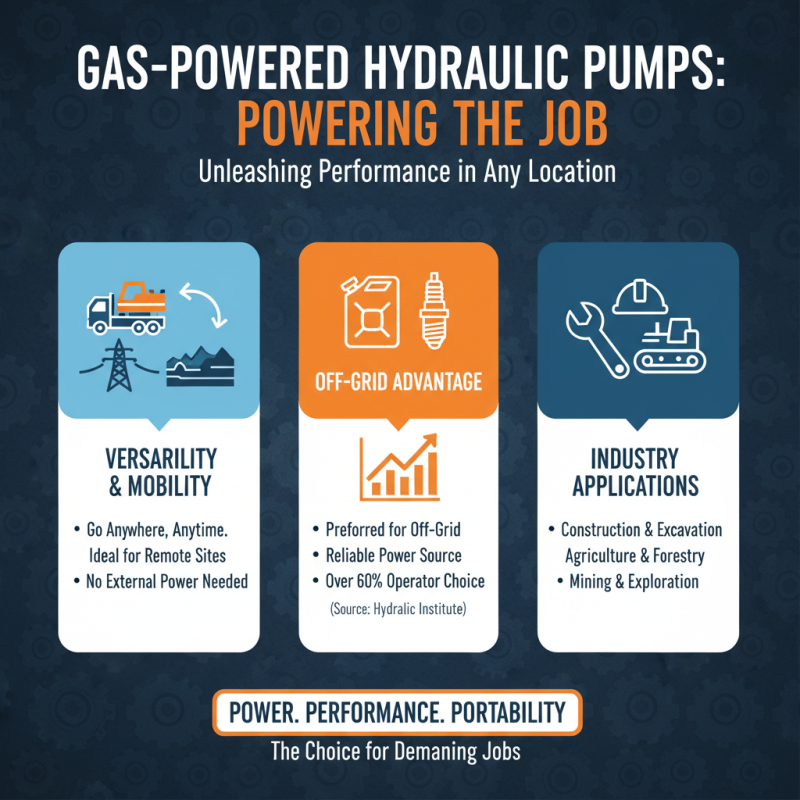
Gas powered hydraulic pumps have gained popularity. They offer portability and high power, making them ideal for tough tasks. One key feature is their robust engine. This allows them to operate in remote areas without access to electricity. The engine size often determines the pump's efficiency. Larger engines generally provide more pressure.
Another important aspect is their durability. These pumps are designed to withstand harsh conditions. Heavy-duty materials are used in their construction. This ensures they can handle demanding environments like construction sites or industrial applications. Maintenance might not be straightforward, which can be a drawback. Regular checks are necessary to prevent issues.
Versatility is another benefit. They can be used for various applications, including lifting and powering tools. However, depending on fuel can be a downside. Access to fuel may become limited in certain areas. Despite these challenges, gas powered hydraulic pumps remain a favorite. Their unique features cater to those needing reliable, portable power on the go.
Gas powered hydraulic pumps offer significant advantages in various industries. They are versatile and suitable for remote locations. Many construction sites require mobility, where electric-powered alternatives fall short. A report from the Hydraulic Institute states that over 60% of operators prefer gas-powered units for off-grid applications.
These pumps deliver high power-to-weight ratios. Their compact design makes them easy to transport. This means they can complete demanding tasks efficiently. According to a recent industry survey, gas-powered pumps are known to increase productivity by up to 30% in certain applications. However, environmental concerns are prevalent. Gas emissions and noise levels may pose challenges when meeting regulations.
Maintenance is essential for optimal performance. Regular checks can prolong the lifespan of the pump, though operators often overlook this. In 2019, nearly 40% of users reported encountering issues due to inadequate maintenance. These insights remind us that while gas-powered hydraulic pumps have distinct advantages, attention to upkeep is crucial for sustained efficiency.
Gas-powered hydraulic pumps serve various industries. They are essential in construction, agriculture, and manufacturing. These pumps provide reliable power for heavy equipment. They excel in remote locations where electricity is unavailable.
In construction, these pumps power tools like jackhammers and drills. They help lift hefty materials quickly. Farmers utilize them to operate hydraulic machinery, enhancing productivity. In manufacturing, these pumps drive assembly lines efficiently.
Tip: Regular maintenance is crucial. Check for leaks and perform oil changes regularly. Keeping equipment in good shape prevents breakdowns.
Tip: Understand the pump's capabilities. Not all jobs require the same power level. Choosing the right pump is vital to avoid overworking the equipment.
Despite their benefits, some operators overlook safety precautions. Ensuring proper training in pump usage can minimize accidents. Careful handling is necessary, especially in hazardous environments.
| Feature | Benefit | Applications | Industries |
|---|---|---|---|
| High Power Output | Increased efficiency in heavy-duty applications | Construction, Landscaping | Construction, Agriculture |
| Compact Design | Easy transportation and storage | Maintenance, Utility Work | Utilities, Telecommunications |
| Durability | Longer lifespan, reducing operational costs | Mining, Oil and Gas | Mining, Oil Extraction |
| Versatile Compatibility | Adapts to a variety of hydraulic tools | Automotive Repair, Heavy Equipment | Automotive, Logistics |
| Ease of Use | User-friendly operation reduces training time | Agricultural Tasks, Fencing | Agriculture, Construction |
Maintaining gas-powered hydraulic pumps is crucial for their longevity and optimal performance. According to industry reports, regular maintenance can extend the life of these pumps by as much as 30%. Proper care can reduce the risk of failure during operation, which could lead to costly repairs and downtime.
One effective tip for maintenance is to routinely check the oil levels. Low oil can cause the pump to overheat, leading to potential damage. Additionally, inspect the filters monthly to prevent debris from clogging the system. A clean filter can significantly improve efficiency.
It’s also essential to store the pump in a dry, cool place. Extreme temperatures can affect the pump’s performance. Keeping the unit covered can provide extra protection from dust and moisture. Neglecting these basic care tips could result in decreased efficiency and increased wear.
Remember, a well-maintained hydraulic pump operates more effectively. Consider logging maintenance activities to track performance over time. This can help identify patterns and potential issues early, leading to better decision-making regarding repairs and replacements.
How can we help you?
Call to 0034 943884600 Contact usWe use cookies to ensure that we give you the best experience on our website. If you continue without changing your settings, we'll assume that you agree to receive cookies on the HINE website. For more information read our cookie policy page, click the link for more information.plugin cookies
ACEPTAR