

In the ever-evolving landscape of transportation, choosing the right lorry tyre is crucial for businesses worldwide. The quality of lorry tyres directly impacts safety, fuel efficiency, and operational costs. Importers must understand the key features when selecting tyres for their fleets.
The intricate world of lorry tyres includes numerous brands, specifications, and technologies. Importers face overwhelming options that can lead to confusion. It's essential to consider factors like tread patterns, load capacity, and wear resistance. Inadequate decisions can result in higher maintenance costs and safety risks.
Having reliable knowledge about lorry tyres is vital for making informed choices. Tyre performance varies significantly across different terrains and weather conditions. Engage with experienced suppliers and industry experts to gain insights. This guide aims to clarify critical aspects, helping importers navigate this complex market with confidence.
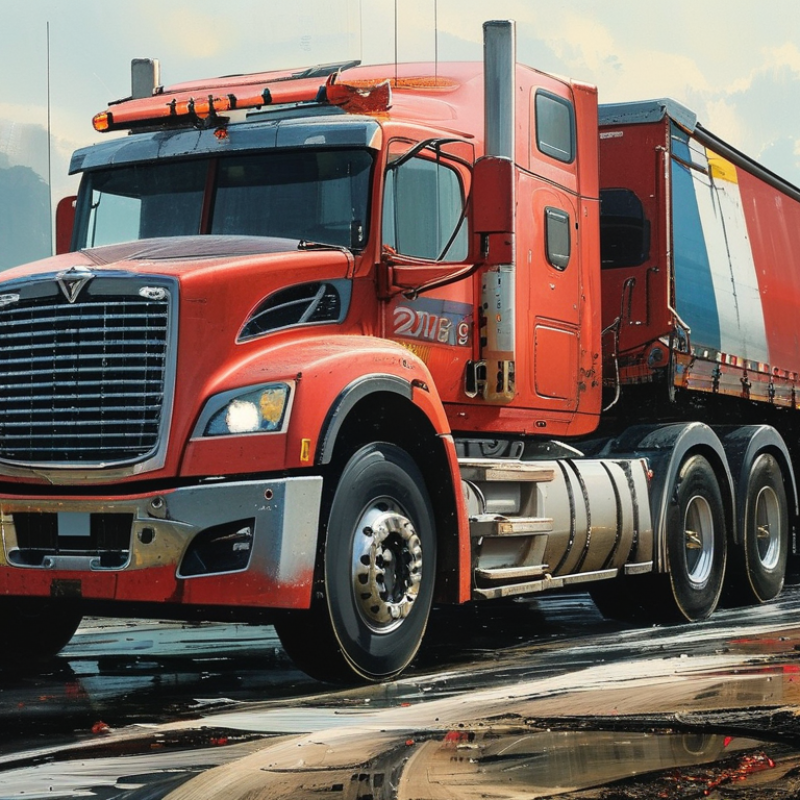
Quality lorry tyres are crucial for importers. They directly affect safety, performance, and cost efficiency. A well-constructed tyre provides better traction. It reduces the risk of accidents, especially in challenging weather. Poor-quality tyres can lead to increased wear and tear. This creates unexpected costs for importers.
Importers must consider durability and performance ratings. Not all tyres meet the same standards. Researching material composition is vital. Some materials perform better under heavy loads. Others may fail sooner than expected. Looking for reliable suppliers who understand these needs is important.
A thorough inspection of lorry tyres before purchase is essential. This helps to identify any faults early on. Importers should also consider the geographical conditions of their markets. Some tyres work better in certain climates. Understanding these nuances can make a significant difference. Quality should never be compromised for cost. A well-chosen tyre ensures long-term success in the transportation business.
Choosing the right lorry tyres for global markets requires careful consideration of various factors. One critical aspect is the tyre's load capacity. Tyres must support the weight of cargo while ensuring safety and performance. Investigating load ratings and understanding load distribution across axles will guide buyers in making informed choices.
Another key factor is the tread design. Different tread patterns affect traction, fuel efficiency, and wear. Highway lorries typically benefit from smooth tread for reduced rolling resistance. In contrast, off-road applications demand deeper treads for enhanced grip. Additionally, evaluating the material used in the tyres will impact durability and adaptability to different climates.
Importers should also reflect on local regulations and market demands. Some regions prioritize eco-friendly products, urging wholesalers to consider sustainable tyre options. Balancing performance and environmental impact may not be straightforward. Navigating these choices can lead to uncertainty and potential errors, emphasizing the need for diligent market research and expert consultations.
Selecting the right lorry tyres is critical for importers in 2026. The market is saturated with various brands and manufacturers, making it challenging to determine which options are best suited for specific needs. According to a recent industry report, around 120 million lorry tyres were sold globally in 2022, pointing to an ever-increasing demand. This demand underscores the importance of choosing a reliable brand.
Many expert evaluations emphasize the significance of tread patterns and rubber compositions. These features directly impact performance, fuel efficiency, and safety. A major report highlighted that tyres with optimized tread patterns can reduce rolling resistance by up to 15%. This translates to improved fuel economy—an essential consideration for operators aiming for profitability. However, the decision-making process can become overwhelming. Some importers might get swayed by marketing rather than functionality.
There's also the challenge of balancing cost and quality. High-end brands often come with a premium price tag, reflecting their advanced technology and durability. However, not all well-priced tyres deliver the expected performance. Importers must carefully assess their options to avoid costly mistakes. The right choice can lead to operational efficiency, while a poor selection could result in losses. Knowledge of industry standards and reliable sources is paramount in navigating these decisions.
When evaluating lorry tyres, specifications play a crucial role. Load ratings define how much weight a tyre can support. Notably, a tyre rated for 14,000 pounds (or about 6,350 kilograms) is typical for heavy-duty lorries. This capacity ensures safety under various load conditions. Importers should always check if the load rating meets the demand of their fleets.
Tread patterns impact performance significantly. Different patterns affect traction, noise levels, and fuel economy. A recent industry report indicates that tyres with deeper grooves perform better in wet conditions. They reduce the risk of hydroplaning by improving water displacement. However, tread wear can vary based on road conditions and driving styles, which requires constant monitoring.
Durability is another key aspect. Tyres with reinforced sidewalls can resist damage from curb impacts and potholes. Yet, they may come with a trade-off in ride comfort. Importers need to reflect on their operational needs. A balance between comfort and durability should be achieved. Observing patterns in tyre wear can provide insights. It’s vital to adjust purchasing decisions based on these observations to maximize tyre life and performance.
Importing lorry tyres can be complex. Importers must navigate various regulations and compliance standards. Understanding these standards is crucial for smooth operations. Each country has specific requirements impacting tyre importation.
Compliance involves technical specifications and safety standards. Importers must verify that tyres meet the quality criteria set by local authorities. This often requires paperwork, including certificates of conformity. Tyre imports might be subject to fees or tariffs, adding to the overall cost. Importers must stay current on these requirements to avoid delays.
Logistics also play a significant role. Choosing the right shipping method can affect delivery times and expenses. An inefficient process can lead to damaged goods and financial losses. It’s important to build relationships with reliable logistics partners. Regularly reassessing processes can reveal opportunities for improvement and cost savings.
How can we help you?
Call to 0034 943884600 Contact usWe use cookies to ensure that we give you the best experience on our website. If you continue without changing your settings, we'll assume that you agree to receive cookies on the HINE website. For more information read our cookie policy page, click the link for more information.plugin cookies
ACEPTAR