

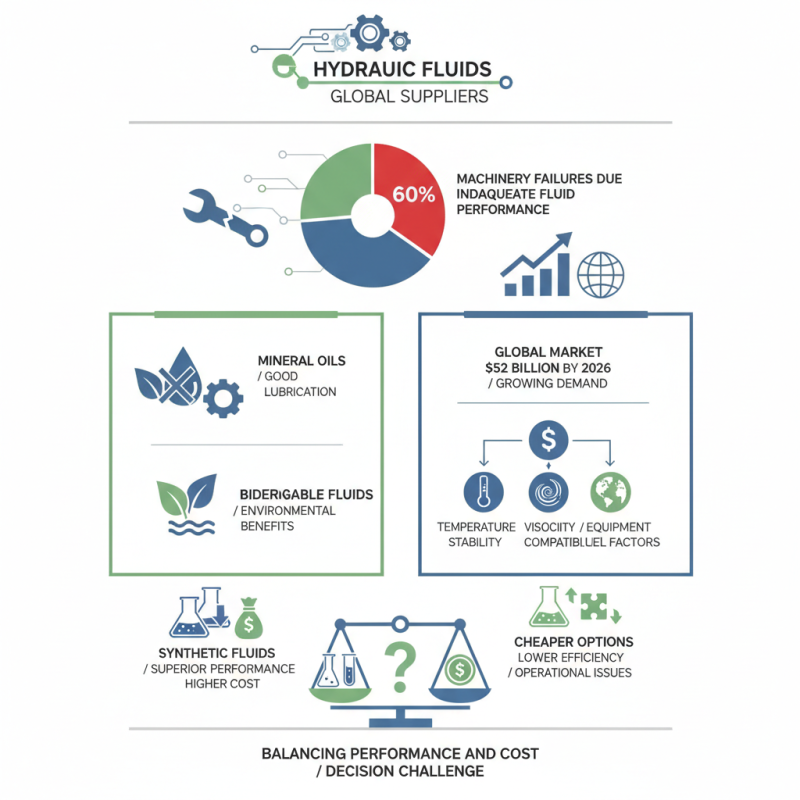
Choosing the right hydraulic fluid is vital for operational efficiency. A recent industry report indicated that nearly 60% of machinery failures can be linked to inadequate fluid performance. Hydraulic fluids play a crucial role in transferring power and ensuring smooth operation in various sectors, including manufacturing and agriculture.
Different types of hydraulic fluids exist, each with unique properties. For instance, mineral oils offer good lubricating properties, while biodegradable fluids provide environmental benefits. The global market for hydraulic fluids is anticipated to reach $52 billion by 2026, reflecting growing demand worldwide. However, selecting the best hydraulic fluid is not straightforward.
Factors such as temperature stability, viscosity, and compatibility with equipment must be considered. Suppliers often struggle with balancing performance and cost. While synthetic fluids may offer superior performance, their higher cost can deter users. On the other hand, cheaper options might not deliver the necessary efficiency, leading to potential operational issues.
Hydraulic fluids are essential in various industrial applications. They transmit power and ensure smooth operation in hydraulic systems. These fluids encompass a range of products, each designed for specific conditions and requirements. Using the right hydraulic fluid can enhance performance and extend equipment life.
The composition of hydraulic fluids varies significantly. Some are petroleum-based, while others are water-based. Each type has unique properties that impact efficiency and safety. For instance, water-based fluids often provide better fire resistance but may not lubricate as effectively. It’s crucial to assess the operational environment before selecting a fluid.
Understanding the critical role of hydraulic fluids is important. They not only influence system performance but affect maintenance practices too. Inadequate fluid selection can lead to system failures. This highlights the need for careful consideration and expertise in fluid selection. Regular assessments can help identify the best options for specific applications.

Hydraulic fluids are crucial for machinery performance. Various types include mineral oil, water-based, and biodegradable options. Each type has unique advantages and challenges that affect their use in different applications.
Mineral oil fluids are widely used due to their excellent lubrication properties. They are reliable and provide good heat transfer. However, mineral oils can be harmful to the environment if spilled. This raises a concern for companies looking to adopt sustainable practices.
Water-based fluids offer a safer alternative. They are less flammable and more environmentally friendly. Yet, they may not provide the same lubrication quality as mineral oils. This can lead to increased wear and tear on machinery.
Biodegradable options are gaining popularity as a middle ground. They are designed to decompose naturally, minimizing environmental impact. Although they are often more expensive and may require specific handling, the sustainability benefits may justify the cost. Choosing the right hydraulic fluid involves weighing performance against environmental responsibility.
Selecting the right hydraulic fluid is crucial for optimal performance in various applications. Key properties to consider include viscosity, thermal stability, and lubricating ability. Viscosity affects fluid flow and pressure transmission. Research shows that fluids with optimal viscosity can improve system efficiency by up to 15%. Thermal stability is also essential; fluids should maintain performance across temperature ranges. A study suggests that fluids with high thermal stability can last 30% longer in extreme conditions.
Tips for selecting hydraulic fluids: check fluid compatibility with your equipment. Mismatched fluids can lead to premature wear. Assess the fluid's environmental impact, especially if used in sensitive areas. Ensure the fluid's lubricating properties meet your equipment’s requirements. Remember, not all fluids are created equal.
In addition to these key properties, consider the cost-effectiveness of hydraulic fluids. Investing in high-quality fluids may lead to lower maintenance costs over time. However, it's important to evaluate available data and make informed choices. Balancing performance with budget constraints can be challenging but essential for long-term success. Make your selection wisely.
Hydraulic fluids are essential for efficient operation in various industries. They function by transferring power and providing lubrication, typically used in machines and vehicles. Leading industry reports indicate that the global hydraulic fluids market is expected to grow at a compound annual growth rate (CAGR) of around 5% from 2022 to 2028. This growth is driven by advancements in technology and increased demand from sectors such as construction and agriculture.
Top global suppliers of hydraulic fluids focus on innovation and sustainability. Many companies are developing bio-based fluids that meet environmental regulations. Some reports suggest that bio-hydraulic fluids can reduce the carbon footprint by up to 25%. However, the transition to these fluids is not without challenges. For example, some users report issues with compatibility in older systems.
In addition to traditional oil-based fluids, options such as water-soluble fluids are gaining attention. These fluids offer unique properties, including enhanced cooling efficiency. Yet, the performance under pressure remains a concern for some engineers. Continuous research and development are essential to address these issues and improve overall system reliability. Exploring alternative fluids could lead to better operational outcomes, but companies must remain vigilant about potential compromises in performance.
| Fluid Type | Viscosity (cSt at 40°C) | Additives | Main Application | Global Availability |
|---|---|---|---|---|
| Mineral Oil | 32 | Anti-wear, Oxidation inhibitors | Industrial machinery | Worldwide |
| Biodegradable Fluid | 46 | Environmentally friendly additives | Construction equipment | Regions with strict regulations |
| Water-based Fluid | Various | Corrosion inhibitors | Robotics, Machine tools | Global |
| Synthetic Fluid | 32 | Extreme pressure additives | Aerospace | Specialty markets |
| Phosphate Ester | Various | Flame resistance | Aviation, Military | Limited |
The hydraulic fluid market is undergoing significant changes due to strict environmental regulations. Many countries are implementing laws that require the use of biodegradable fluids. These fluids are designed to minimize environmental harm in case of leaks or spills. Companies must adapt to these regulations, which can be complex and challenging.
A shift towards more sustainable options is evident. For example, manufacturers are exploring bio-based fluids derived from renewable resources. These fluids can provide similar performance while being safer for the environment. Both hydraulic systems and operators benefit from this change. However, finding the right balance between performance and eco-friendliness remains a concern.
In addition to regulatory compliance, sustainability trends influence supplier choices. Companies face pressure from consumers to adopt greener practices. This demand is pushing suppliers to innovate continuously. Transparency in sourcing and production is becoming crucial. Yet, many organizations struggle to understand the long-term implications of these trends.
How can we help you?
Call to 0034 943884600 Contact usWe use cookies to ensure that we give you the best experience on our website. If you continue without changing your settings, we'll assume that you agree to receive cookies on the HINE website. For more information read our cookie policy page, click the link for more information.plugin cookies
ACEPTAR