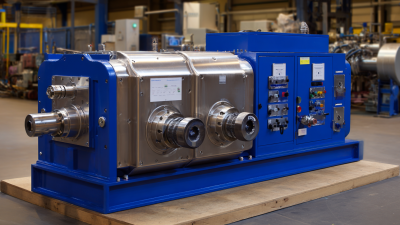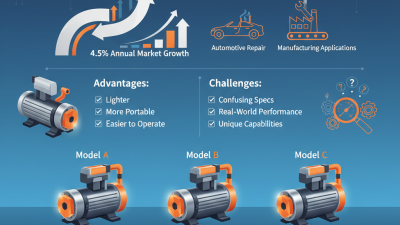

Hydraulic power packs offer versatile solutions in various industries. They are essential in powering hydraulic machinery and equipment. These systems supply fluid power, enabling efficient operations in demanding environments.
The applications of hydraulic power packs are vast. From construction sites to manufacturing plants, they are used to lift heavy loads and operate critical machinery. Their reliability makes them indispensable in many sectors. However, users must consider maintenance to ensure optimal performance.
Benefits of hydraulic power packs include increased efficiency and reduced labor costs. They can provide significant power with minimal energy input. Yet, one must be cautious about potential leaks or failures. Awareness and preventive measures are crucial for safe operations.

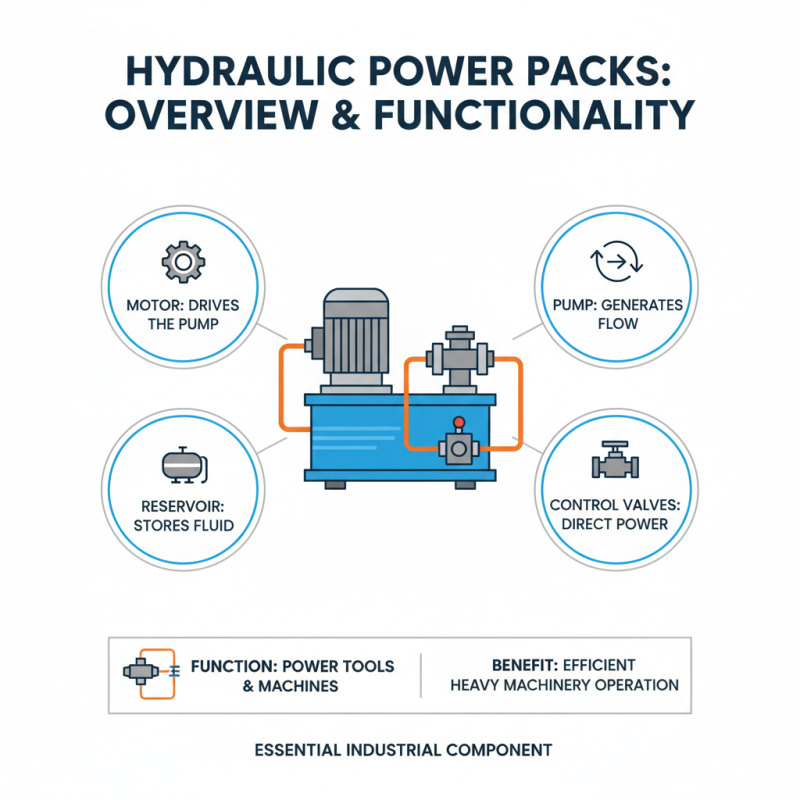
Hydraulic power packs are essential components in various industries. They provide hydraulic power to tools and machines. This allows for the efficient operation of heavy machinery. A typical hydraulic power pack consists of a motor, pump, reservoir, and control valves. Together, these parts create a robust system.
The functionality of these power packs is immense. They generate pressure that drives hydraulic cylinders or motors. This process transforms fluid energy into mechanical power. Various applications exist, from construction to manufacturing. Workers use hydraulic power packs to lift heavy loads effortlessly. However, some may struggle with maintaining these systems. Regular maintenance and inspection are crucial to ensure reliability.
In many scenarios, hydraulic power packs face environmental challenges. Dust and moisture can hinder performance. Neglecting these factors can lead to failures. Operators should be aware of maintenance schedules. Understanding the components can prevent unexpected shutdowns. Ultimately, proper care ensures better efficiency and longevity of hydraulic power packs.
Hydraulic power packs have versatile applications across various industries. In construction, they provide energy for heavy machinery like cranes and excavators. These power packs ensure that equipment operates with optimal efficiency. In manufacturing, hydraulic systems help automate processes like stamping and molding. This increases productivity and reduces labor costs.
In the automotive sector, hydraulic power packs are crucial for assembling vehicles. They assist in tasks ranging from lifting engines to pressing metal parts. Similarly, in agriculture, these power packs drive equipment such as tractors and harvesters, enhancing efficiency on farms.
Tip: Regular maintenance is vital. Check fluid levels frequently. This prevents breakdowns and prolongs equipment life.
Hydraulic power packs also play a role in waste management. They compact waste efficiently, making recycling processes smoother. However, reliance on hydraulics may lead to overcomplication. Simplicity is often more effective. Assess your needs carefully before implementation.
Tip: Consider energy efficiency. An optimized system can save costs in the long run. Always evaluate whether the hydraulic solution fits your operational needs.
Hydraulic power packs are vital in many industries. They provide immense power and efficiency. A well-designed hydraulic system can significantly improve operational performance. Their compact nature allows for easy integration into various machines.
Using hydraulic power packs leads to notable efficiency gains. They can deliver consistent force, which enhances product quality. The energy consumption is often lower than traditional systems. This efficiency reduces operational costs over time. However, one must consider maintenance. Regular checks are crucial to avoid unexpected downtimes.
Another benefit is versatility. Hydraulic power packs can serve diverse applications—from construction machinery to automotive tools. This adaptability ensures they meet various industry needs. Yet, sometimes, users overlook the importance of proper training. Not fully understanding the system may lead to suboptimal performance. Investing in knowledge can be just as critical as the technology itself.
Hydraulic power packs are essential in many industries, providing force through fluid power. Understanding their key components is crucial. A standard hydraulic power pack consists of a hydraulic pump, reservoir, motor, filter, and valves. Each part plays a specific role. The pump generates flow, while the motor drives it. The reservoir holds the hydraulic fluid, and filters keep it clean. Valves control fluid flow and pressure, ensuring safe operation.
According to industry reports, the hydraulic market is projected to reach $42 billion by 2025. This growth highlights the increasing demand for efficient energy solutions. However, maintaining these systems can be challenging. For instance, improper fluid levels can lead to overheating and reduced performance. Regular inspections are necessary to prevent breakdowns. Users must be aware of maintenance protocols to maximize efficiency.
Moreover, safety features in hydraulic power packs are often overlooked. Pressure relief valves, for instance, are critical for preventing accidents. Yet, many operators do not fully understand their importance. As the industry evolves, continuous education on these components is essential. Investing in knowledge can lead to better operational efficiency and safety. Without proper training, risks may increase. Consider these factors when implementing hydraulic systems in your operations.
Hydraulic power packs play a crucial role in various applications. To keep them running smoothly, maintenance is key. Regular checks on fluid levels can prevent issues. Low fluid can lead to overheating and damage. Inspect hoses and connections for leaks. Minor leaks can turn into major problems if not addressed.
Troubleshooting is another essential aspect. Strange noises during operation may indicate wear. Unusual vibrations can suggest misalignments. Be alert to any warning signs. Sometimes, issues can stem from improper settings on valves. Take time to ensure all adjustments are correct.
Failing to maintain these systems can lead to costly repairs. Ignoring small problems often results in bigger ones. Reflect on your routine and make improvements. Regularly updating maintenance logs can aid in identifying patterns. Consistency is crucial. A simple checklist may help to stay organized.
| Application | Benefits | Maintenance Tips | Troubleshooting Tips |
|---|---|---|---|
| Construction Equipment | High power with compact size | Regular oil checks and replacements | Check for leaks in hoses and couplings |
| Automotive Lifts | Improved lifting efficiency | Inspect filters for clogs regularly | Listen for abnormal noises during operation |
| Marine Applications | Enhanced power for heavy lifts | Use corrosion-resistant components | Monitor for fluctuations in pressure readings |
| Manufacturing Automation | Increased productivity and precision | Clean power units to prevent contamination | Check actuator responsiveness |
| Agricultural Equipment | Facilitates multiple implements | Lubricate moving parts regularly | Inspect hydraulic lines for wear and tear |
How can we help you?
Call to 0034 943884600 Contact usWe use cookies to ensure that we give you the best experience on our website. If you continue without changing your settings, we'll assume that you agree to receive cookies on the HINE website. For more information read our cookie policy page, click the link for more information.plugin cookies
ACEPTAR