
In the ever-evolving landscape of industrial applications, the demand for reliable tools is paramount. Pneumatic and hydraulic tools have become essential for maximizing efficiency and productivity. These tools harness air and fluid power, making tasks like lifting, pushing, and drilling much easier and more effective.
As industries continue to grow, the choice of equipment has never been more critical. Many operators face challenges in selecting the right pneumatic and hydraulic tools that can withstand rigorous use. Quality may vary, and not all tools will meet specific needs. Some may fail during crucial moments, highlighting the importance of careful evaluation and expertise in selecting the best options available.
The year 2026 promises advancements in these technologies. Companies are investing in innovation to provide tools that are more efficient, durable, and user-friendly. However, not all new tools will perform as expected. Users must remain vigilant and assess tools based on their actual performance and reliability, rather than mere marketing claims. By considering these factors, industries can make informed decisions that enhance their operations.
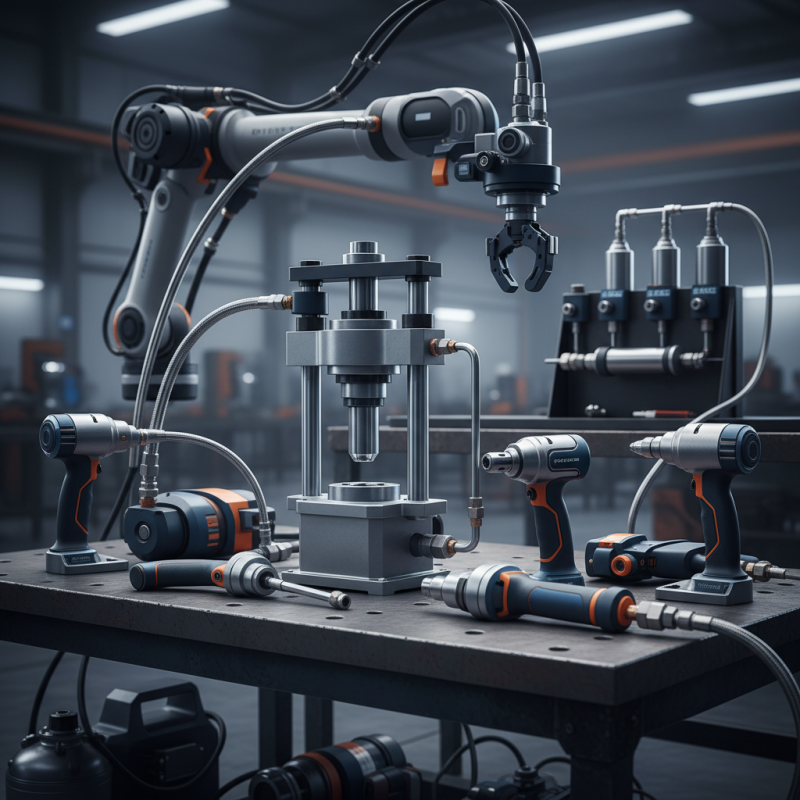
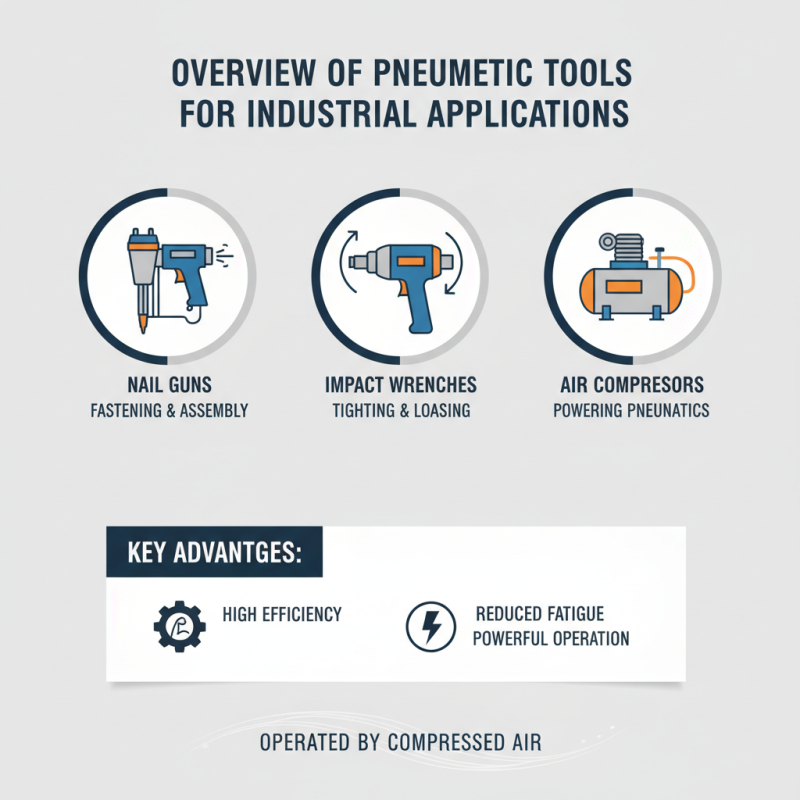
Pneumatic tools play a crucial role in industrial applications, offering efficiency and power. They operate using compressed air, which allows for high-speed operations and reduced fatigue for workers. Common types include nail guns, impact wrenches, and air compressors. Each tool serves distinct purposes, catering to various tasks in manufacturing and construction.
When selecting pneumatic tools, consider your specific application. For instance, nail guns are ideal for framing, while impact wrenches are perfect for heavy-duty assembly work. Tools should be lightweight for ease of use yet durable enough to withstand rigorous conditions. Proper maintenance is essential to ensure longevity and optimal performance.
**Tips:** Always inspect tools before use. Look for air leaks and check for wear. Regular maintenance can save time and money in the long run. Additionally, investing in quality hoses and fittings ensures a reliable air supply. Be mindful of the noise levels, as prolonged exposure can lead to hearing loss. Stay safe and informed to maximize your efficiency in industrial tasks.
Hydraulic tools play a critical role in various industrial applications, providing significant power and efficiency. These tools leverage pressurized fluid to accomplish tasks such as lifting, clamping, and cutting. According to a recent report by the International Society for Automation, the hydraulic tools market is projected to grow by 8% annually through 2026. This reflects the increasing demand across sectors like construction, manufacturing, and aerospace.
One key aspect to consider is tool selection. Choosing the right hydraulic tool for a specific application can impact both safety and performance. For example, improper use of a hydraulic cylinder can lead to accidents or equipment failure. Understanding load capacities and operational limits is vital. Always consult technical specifications to avoid potential misapplications.
Tips: Regular maintenance is crucial. Inspect seals and hoses for wear. Keeping tools in good condition enhances safety and efficiency. Consider training operators thoroughly. Knowledgeable users can minimize risks associated with hydraulic systems. Continuous education on emerging technologies and safety protocols is essential for all industrial environments.
This chart presents a comparison of various pneumatic and hydraulic tools based on their effectiveness ratings in industrial applications. The data illustrates the growing preference for hydraulic tools over pneumatic tools due to their efficiency and power.
When selecting pneumatic and hydraulic tools for industrial applications, several key features require careful consideration. It is essential to evaluate the tool's pressure capabilities. Tools with higher pressure ratings typically offer better performance. However, they may also add complexity. Assessing the compatibility of tools with existing systems is crucial to avoid operational failures.
Another important factor is the weight and portability of tools. Heavier tools might provide more power but can cause fatigue over prolonged use. Look for ergonomic designs that enhance user comfort. Additionally, maintenance requirements should not be overlooked. Some tools demand more upkeep, impacting longevity and operational reliability.
Lastly, the availability of replacement parts plays a significant role. Tools that are difficult to repair can hinder productivity. Ensure that you choose tools from suppliers with reliable support systems. Reflecting on these aspects can help guide your selection process, ultimately impacting the effectiveness of your operations.
When choosing pneumatic tools for industrial applications in 2026, quality and reliability are crucial. Various tools are available, each designed for specific tasks. These tools can include air compressors, impact wrenches, and nail guns. Many professionals find that investing in well-regarded brands leads to better performance and durability.
The top models feature advanced technology, enhancing efficiency. Some offer lightweight designs, reducing user fatigue during long hours. Users should consider the average air consumption and tool weight when making their selection. It’s important to regularly maintain tools to prevent breakdowns. Neglecting this can lead to costly repairs and downtime.
Understanding personal needs can refine tool selection. Some users might prioritize power, while others may value portability. Exploring available options can prevent hasty decisions. Even with robust tools, user experience can vary. Gathering feedback from experienced colleagues can enhance purchasing outcomes.
| Tool Type | Model | Max Pressure (psi) | Weight (lbs) | Price ($) |
|---|---|---|---|---|
| Pneumatic Drill | Model A1 | 90 | 4.5 | 150 |
| Hydraulic Jack | Model B2 | 3000 | 12.0 | 200 |
| Pneumatic Impact Wrench | Model C3 | 120 | 5.5 | 250 |
| Hydraulic Cylinder | Model D4 | 2500 | 15.0 | 350 |
| Pneumatic Sander | Model E5 | 80 | 3.8 | 120 |
The hydraulic tools industry continues to evolve, with 2026 expected to showcase advanced technology and efficiency. Reports suggest rapid growth in this sector, with an annual increase projected at 5% through 2028. This growth will stem from increased demand in manufacturing and construction sectors.
Top brands are focusing on improved ergonomics and user safety. For example, pressure testing tools have become more accurate, enhancing reliability in data collection. A recent survey indicated that 75% of users favor tools that balance power and control. This trend emphasizes the need for versatile equipment that performs well under different conditions.
Tips: Always ensure regular maintenance to prolong tool life. Choose models with adjustable settings for various tasks. Finally, invest in training. Even the best tools require skilled operators for optimal performance. In the vast array of available models, it's crucial to select those that fit your specific application needs, keeping in mind that not all tools work equally well across diverse environments. Strive for continuous improvement and keep an eye on emerging technologies.
How can we help you?
Call to 0034 943884600 Contact usWe use cookies to ensure that we give you the best experience on our website. If you continue without changing your settings, we'll assume that you agree to receive cookies on the HINE website. For more information read our cookie policy page, click the link for more information.plugin cookies
ACEPTAR