

Building a Prefab Container House can be a rewarding endeavor. It offers an innovative approach to home construction. With creativity, you can design a functional living space without overspending.
One attractive aspect of a prefab container house is its affordability. Many believe it is financially out of reach. However, with careful planning, you can achieve your dream home on a limited budget. Researching materials and layouts can help reduce costs significantly. Choosing to recycle or repurpose existing materials adds to the home's charm.
While creating a prefab container house, be prepared for challenges. This journey may require trial and error. It could be frustrating at times, but these obstacles can lead to valuable lessons. Evaluate your designs and adjust them as necessary. Embrace imperfections, as they can enhance the overall character and uniqueness of your home.
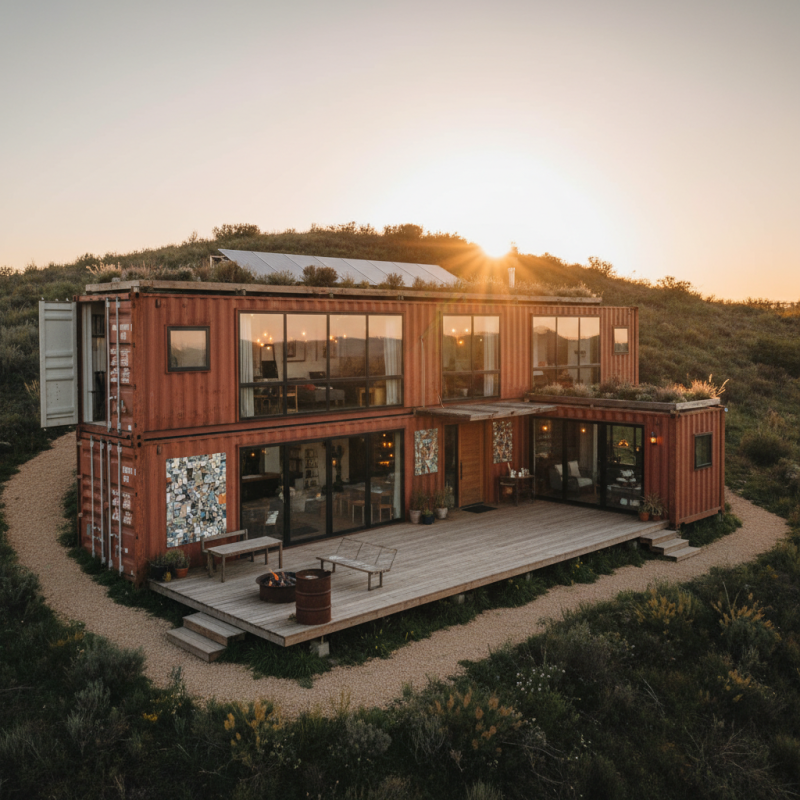
Prefab container houses offer an innovative solution for affordable living. They utilize recycled shipping containers, reducing material waste. According to industry statistics, using containers can save up to 30% in building costs compared to traditional homes. These houses are highly customizable, making them appealing to many buyers.
One major benefit of prefab container homes is their speed of construction. They can often be built in a matter of weeks, unlike traditional houses that may take months. This speed can drastically lower labor costs. Additionally, these homes are durable, resistant to harsh weather, and offer excellent insulation properties. Many people appreciate their modern aesthetic.
Tips: Consider the layout carefully. A well-thought-out design can maximize space and utility. It's also wise to research local building codes to avoid issues. Pay attention to insulation materials; they impact energy costs significantly. Embrace the idea that imperfections, like container rust or varied dimensions, add character. Allow room for adjustments during the building process. Remember that every project may come with unexpected challenges that require creative problem-solving.
| Dimension | Details |
|---|---|
| Cost | Average $10,000 - $30,000 for a basic unit |
| Size | Standard sizes: 20ft x 8ft, 40ft x 8ft |
| Insulation | Options include foam board, spray foam, or fiberglass |
| Transportation | Additional cost for shipping, vary by location |
| Foundation | Options include concrete slab, pier block, or deck |
| Permits | Check local regulations for necessary permits |
| Customization | Interior and exterior finishes, layout reconfigurations |
| Sustainability | Reuses shipping containers, reduces waste |
When building a prefab container house on a budget, choosing the right containers is key. Many types exist: used, new, small, and large. Each type has its pros and cons. Used containers can be cheaper but may need repairs. Look for rust or structural issues. A small container is easier to manage, while larger ones offer more space.
Consider your specific needs. What are you using it for? If it’s a guest house, a 20-foot container might suffice. For a family setup, a 40-foot option could work. Keep in mind the insulation and ventilation. These factors affect comfort and energy costs. Paint your container to improve its appearance and protect it from the elements.
Reflect on your budget limits. Savings in one area can lead to overspending in another. It’s easy to get tempted by designs or finishes. Focus on essentials first. A simple layout will save you money. Prioritize what truly matters in your home. Finally, seek expert advice if needed, but trust your instincts too.
Building a prefab container house is an exciting project. However, having the right tools and materials can make all the difference. Essential tools include a basic toolkit with a hammer, screwdrivers, and pliers. These are necessary for assembling the structure. A welding machine is vital for connecting steel sections securely. You might feel overwhelmed at first, but these tools are truly foundational.
Next, gather materials like insulation, plywood, and paint. Insulation is crucial for temperature control. You may choose different types based on your climate. Plywood helps finish interiors and is often cost-effective. Paint will not only provide aesthetics but also protect the surfaces. Witnessing these elements come together can be quite gratifying. It's important to remember that this process may require adjustments. Mistakes are part of learning.
Lastly, consider safety gear. A hard hat, safety glasses, and gloves are non-negotiable. They ensure your safety while working on the house. It's easy to overlook these, but safety should be a priority. Assembling a container home on a budget is challenging but rewarding. With the right tools and materials, your vision can take shape.
Building a prefab container house can be an exciting project. The key is to follow a clear construction process. Begin by selecting your containers. Make sure they are in good condition. Inspect for rust or damage. Research shows that 60% of buyers prefer refurbished containers, as they are generally more affordable.
Once you have your containers, plan your layout. Think about natural light and airflow. Organize your space efficiently. You can create distinct areas for living, sleeping, and working. Most experts recommend allocating 160 square feet for a simple layout. This allows comfortable living without overcrowding.
Next comes installation. Ensure a solid foundation. Concrete piers can be a budget-friendly option. They provide stability and elevate the containers to avoid water damage. Pay attention to utilities like plumbing and electrical installation. According to industry reports, 40% of prefab homes encounter challenges in these areas, so be prepared. Building a prefab container house requires planning and patience, but the results can be rewarding.
When designing the interior of a prefab container house, maximizing space is key. Begin by choosing multifunctional furniture. A foldable dining table can save space. Consider a sofa bed for guests. These pieces are practical and cost-effective.
Use light colors for walls and furniture. They create an illusion of more space. Mirrors can also help. Place them strategically to reflect light. Small touches like decorative cushions add comfort without cluttering. Keep decor minimalistic but personal.
Utilize vertical space wisely. Install shelves up high to store items. These can hold books or plants. A pegboard can be a clever storage solution, too. It keeps belongings organized and off surfaces. Remember, simplicity can often be more impactful than overcrowding the space. Embrace imperfections in your design choices, as they can add character. Adjust and rearrange until it feels right.
How can we help you?
Call to 0034 943884600 Contact usWe use cookies to ensure that we give you the best experience on our website. If you continue without changing your settings, we'll assume that you agree to receive cookies on the HINE website. For more information read our cookie policy page, click the link for more information.plugin cookies
ACEPTAR