

In today's competitive market, choosing the right liquid soap mixer is crucial for success. According to industry expert Dr. Sarah Bennett, "A high-quality liquid soap mixer can transform production efficiency." Many businesses underestimate the importance of this equipment.
Liquid soap production demands precision and consistency. A reliable mixer ensures that ingredients blend seamlessly, resulting in high-quality final products. Dr. Bennett emphasizes the need for tailored mixers to meet specific business needs. However, not every business recognizes this need. Some may opt for budget mixers, leading to inconsistent results and wasted resources.
Investing in the best liquid soap mixer can save time and money in the long run. It is essential to consider your production scale and the types of soap you produce. A mixer that aligns with your operation can boost efficiency and product quality. Reflecting on this choice is vital; the right mixer is more than just equipment—it's a partner in your success.
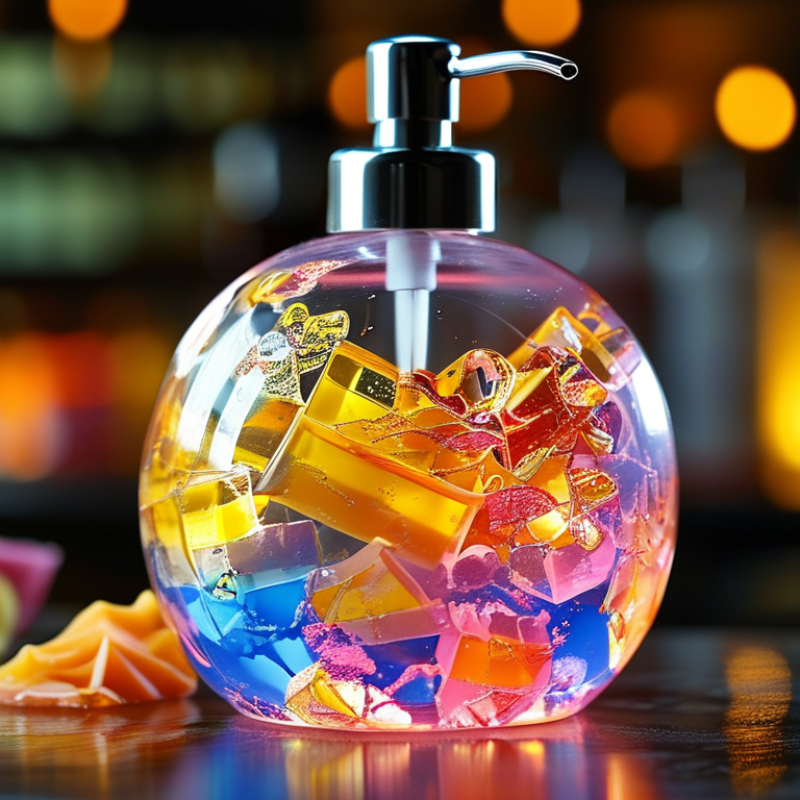
Using a high-quality liquid soap mixer can significantly enhance production efficiency. Studies show that businesses employing advanced mixers experience a 30% increase in output. This improvement stems from better blending capabilities and reduced mixing times. High-quality mixers ensure uniform consistency, which is critical in soap production. Inconsistent mixtures can lead to quality issues, affecting customer satisfaction.
Moreover, investing in a reliable mixer minimizes maintenance costs over time. According to industry reports, manufacturers that use premium mixing equipment face 40% fewer breakdowns. This reliability translates into uninterrupted production flows. Additionally, a robust mixer can adapt to various formulations. It allows manufacturers to experiment with new products without excessive downtime.
However, not all mixers are created equal. Some lower-end models may save money upfront but could lead to increased operational issues down the line. Balancing initial costs with long-term benefits is essential. Businesses must assess their unique needs. Selecting the right mixer is not merely a budget decision; it is a strategic move towards sustainable growth.
When selecting a liquid soap mixer, it's essential to understand the types available. Each type has unique features catering to diverse business needs. For instance, batch mixers are popular for smaller production runs. They blend soap and additives in one go, ideal for companies starting with limited volumes.
Conversely, continuous mixers are suited for high-output demands. They ensure a steady flow, making them perfect for larger manufacturers. These mixers maintain consistency but may require upfront investment and space. Many businesses hesitate when choosing, often overwhelmed by technical specifications.
Additionally, some mixers are designed for specific properties, such as viscosity. Soap with higher viscosity requires a different mixing approach. This complicates choices, as operational needs vary significantly. The risk lies in selecting a machine that doesn't align with production needs. Understanding these differences is critical for making the right choice. Always consider factors like capacity, consistency, and product type to find the perfect fit.
When selecting a liquid soap mixer, several key features can impact your business's efficiency. The mixing capacity is crucial. Assess how much liquid soap you need to produce within a specific timeframe. A mixer that accommodates larger batches may save time and energy. Additionally, look for a model that ensures uniform mixing. Inconsistent mixtures could lead to product quality issues.
Material construction of the mixer matters too. Stainless steel is preferable due to its durability and resistance to corrosion. Hygiene is vital in liquid soap production, so easy-to-clean designs are essential. This feature can streamline your cleaning processes, saving time and cost in the long run.
Tips: Evaluate your workspace. A compact mixer may be necessary if space is limited. Don't overlook energy efficiency. A mixer that consumes less power can reduce operational costs. Lastly, consider the mixer’s ease of operation; complicating machinery can lead to training issues. Reflect on whether the chosen equipment aligns with your skillset and production needs before purchasing.
Efficient mixing plays a crucial role in liquid soap manufacturing. Consistency in product quality directly affects consumer satisfaction. According to the International Journal of Engineering Research and Technology, poorly mixed soap can lead to variations in viscosity and fragrance. Such inconsistencies may turn customers away, leading to a loss of revenue.
In 2022, a study found that over 30% of product returns in the personal care industry were due to quality issues. This highlights the importance of using the best liquid soap mixer. Proper mixing ensures uniform distribution of ingredients, enhancing the overall effectiveness of the product. A capable mixer reduces air incorporation and prevents separation, which is vital for maintaining quality over time.
Not all mixers are created equal. Some may require frequent recalibration, adding to production downtime. Reflecting on this, businesses should assess their mixer performance routinely. Investing in a high-quality mixer can alleviate these concerns. A reliable mixer can provide peace of mind while boosting product quality and brand reputation.
| Mixing Equipment Type | Mixing Efficiency (%) | Production Capacity (L/hour) | Impact on Product Quality (1-10) | Consistency Rating (1-5) |
|---|---|---|---|---|
| High-Shear Mixer | 90 | 1000 | 9 | 5 |
| Static Mixer | 75 | 500 | 7 | 4 |
| Batch Mixer | 80 | 800 | 8 | 4 |
| Inline Mixer | 85 | 1200 | 9 | 5 |
Investing in an advanced liquid soap mixer can significantly impact your business's bottom line. According to recent industry reports, businesses that leverage high-quality mixing equipment can increase their production efficiency by up to 30%. This efficiency often translates to reduced operational costs. For example, a more effective mixer minimizes ingredient waste. Additionally, it shortens mixing times, allowing for higher output and quicker turnaround.
However, the initial investment might raise concerns. The upfront cost of advanced mixers can be substantial. Yet, considering the potential long-term benefits is essential. A study by the International Journal of Advanced Manufacturing Technology indicates that businesses often recover their investment within 18 months due to increased productivity. Furthermore, consistent quality in soap production can elevate customer satisfaction and loyalty.
On the flip side, not every business has the same needs. Some smaller firms might find that the return on investment does not justify the cost of a high-end mixer. Conducting a thorough analysis of your current production capabilities versus future goals is crucial. Balancing the cost with expected growth will ensure that you make an informed decision tailored to your unique business circumstances.
How can we help you?
Call to 0034 943884600 Contact usWe use cookies to ensure that we give you the best experience on our website. If you continue without changing your settings, we'll assume that you agree to receive cookies on the HINE website. For more information read our cookie policy page, click the link for more information.plugin cookies
ACEPTAR