How to Choose the Best Steel Frame Barn for Your Needs?
Choosing the right Steel Frame Barn is crucial for your needs. It can serve various purposes, from storage to livestock shelters. Understanding the factors involved helps ensure you make an informed decision.
When selecting a Steel Frame Barn, consider durability and design. Steel structures offer strength that withstands harsh weather. Look for reputable manufacturers with solid track records. Reviews from other customers can guide you but aren't always foolproof. Quality varies, even among trusted brands.
Think about size and layout as well. A barn that meets your needs today might not suffice in the future. Reflect on the anticipated use, whether for agriculture or leisure. Make a list of your priorities to narrow down options. The ideal Steel Frame Barn will optimize your space while fitting your budget.
Understanding Your Space Requirements for a Steel Frame Barn
When considering a steel frame barn, understanding your space requirements is crucial. Start by evaluating the intended use of the barn. Will it store equipment, livestock, or serve as a workshop? Each purpose demands different dimensions and layouts. For example, a livestock barn needs ample room for movement and access, while a workshop requires open space for tools and materials.
Next, measure the area where the barn will be built. Consider the dimensions of the land, including any setbacks or zoning regulations. Make a rough sketch of the barn's footprint. This will help in visualizing its size and placement on your property. Sometimes, an overly ambitious design can lead to frustration later, especially if the barn feels cramped.
Think about future needs as well. Will you expand or add more equipment down the road? A slightly larger space now might save you from a costly redesign later. Reflect on your choices; don’t rush into a decision. It’s important to balance functionality with your comfort. Adequate planning today creates a usable space tomorrow, ensuring it meets your evolving needs.
How to Choose the Best Steel Frame Barn for Your Needs?
| Dimension | Description | Recommended Uses | Cost Estimate ($) |
| 30' x 40' | Roomy barn suitable for storage and light livestock | Small farm operations, equipment storage | $20,000 - $25,000 |
| 40' x 60' | Versatile barn for larger livestock and storage needs | Medium-sized farms, storage and workshop | $30,000 - $40,000 |
| 50' x 100' | Spacious barn ideal for commercial agriculture | Large farm operations, equipment, and livestock | $50,000 - $70,000 |
| 60' x 120' | Large barn for significant livestock and multi-use | Commercial use, agricultural events, large workshops | $80,000 - $100,000 |
Evaluating Different Types of Steel Frame Barn Designs
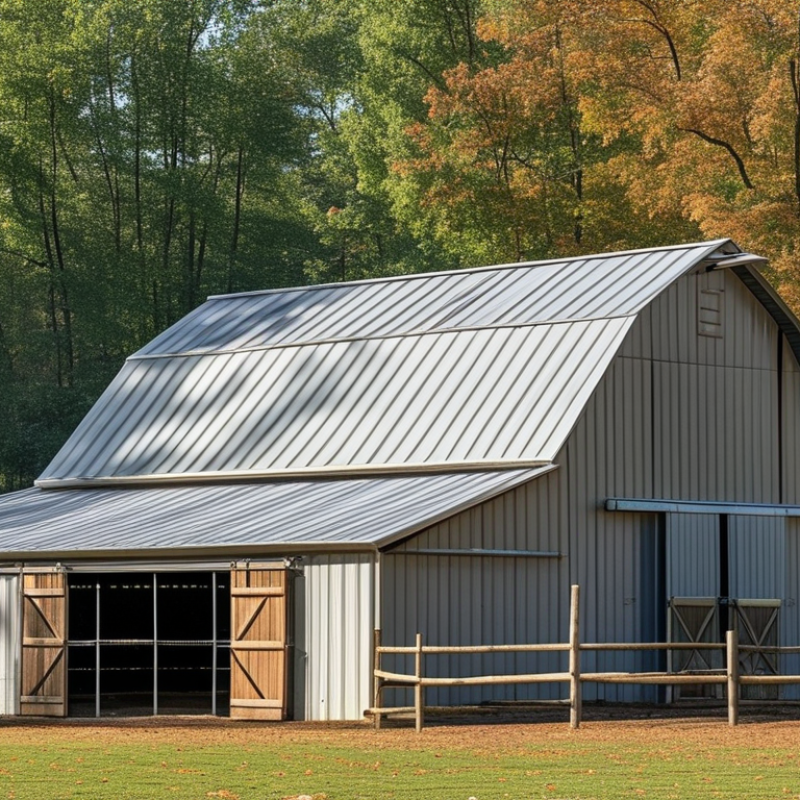
When evaluating different types of steel frame barn designs, consider your specific needs. There are several popular styles, including traditional gable barns and modern flat-roof structures. Each design has its pros and cons. Gable barns have better ventilation and aesthetic appeal. However, flat-roof designs can optimize space and be more cost-effective.
According to industry reports, over 65% of farm owners prefer clear-span steel buildings. This design allows for an unobstructed interior space, making it versatile for equipment storage or livestock housing. However, the construction time can vary. Clear-span buildings may take longer to erect than simpler designs.
Steel frame barns often require less maintenance than wood, but it’s essential to choose the right gauge of steel. Thicker steel provides more durability but at a higher cost. Weighing these factors can help guide your decision. A thorough evaluation of your budget and anticipated use will ultimately dictate the best design for your needs.
Assessing Budget Considerations and Financial Options
When planning to purchase a steel frame barn, budget plays a crucial role. It’s essential to assess not only the initial costs but also the long-term financial implications. Consider your overall financial health. This means evaluating your savings, potential loans, and any ongoing expenses related to the barn's maintenance.
Tips: Create a detailed budget plan. Include costs for permits, materials, and labor. Don't forget to account for future upkeep and improvements. A realistic budget helps avoid overspending.
Exploring financing options can also make a difference. Research local banks or credit unions for loan terms. Look for lenders who specialize in farm structures. The interest rates and repayment plans may affect your decision.
Tips: Be prepared to negotiate. You might find better rates if you show multiple offers. Also, consider reaching out to agricultural organizations for potential grants or assistance programs.
Overall, understanding your budget and financing options can alleviate stress. It’s important to reflect on what you truly need versus what you want. Prioritizing your goals can lead to a more satisfying investment in your steel frame barn.
Choosing the Right Location and Site Preparation
Choosing the right location for your steel frame barn is crucial. A well-chosen site can enhance functionality and accessibility. Look for flat, stable ground. Avoid areas prone to flooding or heavy winds. Proximity to roads can simplify transportation of materials and livestock. However, consider potential noise or disturbance from nearby activities.
Site preparation requires careful planning. Clear the area of debris, rocks, and vegetation. Level the ground to ensure stability. Soil quality matters as well. Poor soil can affect drainage and barn durability. Testing the soil will give you insights into its composition, guiding your preparation methods. This may seem tedious, yet it’s vital for long-term success.
Evaluating local regulations is important. Zoning laws may restrict barn placement. Research what is permitted in your area to avoid issues later. Engaging local experts can shed light on requirements. Their knowledge can help navigate potential pitfalls that an inexperienced owner might overlook.
Reviewing Local Building Codes and Regulations for Steel Barns
When considering a steel frame barn, reviewing local building codes and regulations is crucial. Each region has specific requirements that dictate structural integrity, safety, and usage. These rules aim to ensure that your barn is built to last and remains safe for its intended purpose.
Building codes may specify materials, sizes, and even the distance from property lines. Understanding these regulations helps prevent costly modifications after construction. For instance, some areas require permits for larger structures or specific designs. Failure to comply can lead to fines or demolitions.
Consulting local authorities can provide clarity. Often, they have resources that explain the regulations in straightforward language. Engaging a knowledgeable contractor is another smart move. They can help navigate the complexities of local requirements, saving you time and potential complications. Always consider possible changes in rules, as codes are frequently updated with evolving safety standards.
Comparison of Common Steel Frame Barn Sizes and Their Typical Uses