
How to Choose the Right Hydraulic Fluid for Your Equipment?

Selecting the right hydraulic fluid is crucial for any machinery's optimal performance. According to Dr. Emily Harper, a renowned expert in hydraulic systems, "Choosing an appropriate hydraulic fluid can significantly affect your equipment's longevity." This statement underlines the importance of understanding various hydraulic fluid properties and their applications.

Hydraulic fluids act as the lifeblood of hydraulic systems. Their roles include lubrication, heat transfer, and power transmission. However, not every fluid is suited for every machine. For example, the viscosity of hydraulic fluid can impact overall efficiency. Using the wrong fluid can lead to increased wear on components, ultimately shortening equipment lifespan.

Consider factors like temperature range, system compatibility, and potential environmental impact when making your choice. Deliberate over these aspects, as they can make a significant difference. In the end, understanding hydraulic fluid properties will empower operators and maintenance teams to make informed decisions. This proactive approach can prevent costly mistakes in the long run.
How to Choose the Right Hydraulic Fluid for Your Equipment?

Factors to Consider When Selecting Hydraulic Fluids

When choosing hydraulic fluids, several key factors come into play. First, consider the viscosity. It affects fluid flow and pump efficiency. Fluids that are too thick can cause wear. Too thin, and they may not provide adequate protection. Always check the manufacturer's specifications for your equipment.

Another crucial factor is the fluid's thermal stability. High temperatures can degrade fluids over time. Look for hydraulic fluids that maintain their properties even under heat. This can ensure longer equipment life and less maintenance. Additionally, consider the fluid’s compatibility with your system’s materials. Some fluids can react negatively with certain seals or hoses.

You should also evaluate environmental requirements. Biodegradable options are available. However, they may not always perform as well in extreme conditions. Balancing safety and efficiency can be a challenge. Reflect on your equipment's operational demands before making a final decision. Incorrect choices can lead to inefficiency and damage, causing unexpected downtime.

Types of Hydraulic Fluids and Their Applications

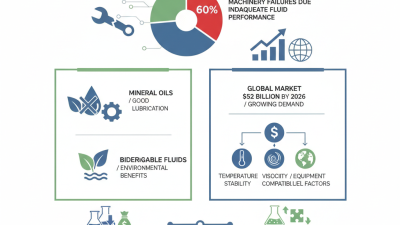
When choosing hydraulic fluids, understanding the various types is essential. There are mineral oils, water-based fluids, and biodegradable options, each catering to different applications. Mineral oils are common due to their excellent lubricating properties. They work well in hydraulic systems where high pressure is a factor. However, they can pose environmental risks if leaked.

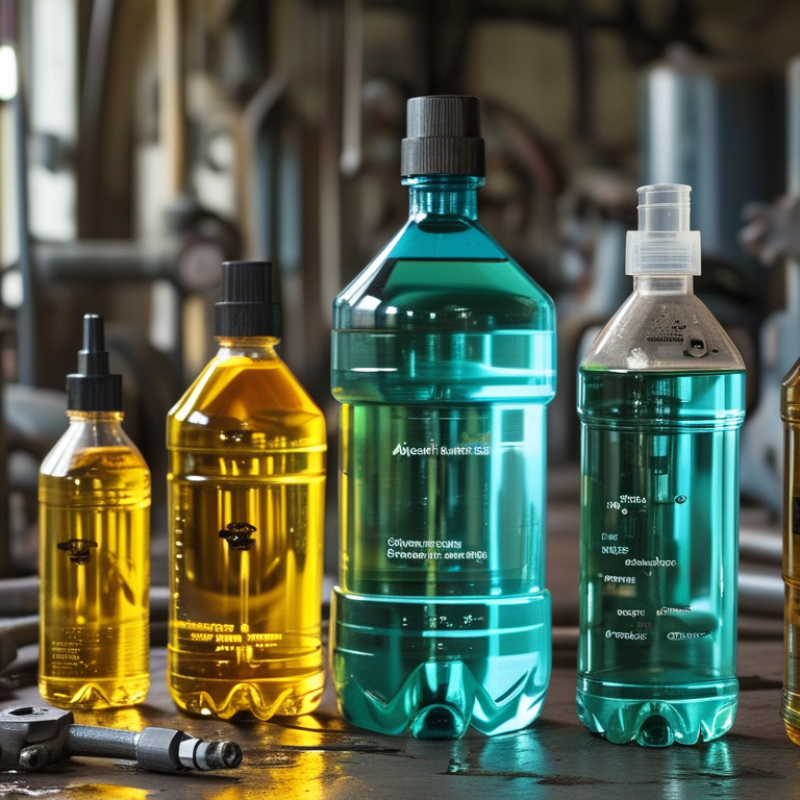
Water-based fluids include water-glycol solutions. They excel in fire-resistant applications. These fluids tend to be less effective in cold temperatures. Biodegradable hydraulic fluids made from vegetable oils offer an eco-friendly alternative. They break down naturally and minimize environmental impact. Nevertheless, they may not perform as consistently as traditional options.

Selecting the right fluid requires careful consideration. Each type has strengths and weaknesses. It's crucial to match the fluid to the specific needs of your equipment. System design and operating conditions play significant roles in this choice. Regular testing and monitoring of hydraulic fluids can help maintain efficiency. This ensures long-term reliability and performance. Being informed leads to better decision-making.

Viscosity and Temperature Requirements for Hydraulic Fluids

Choosing the right hydraulic fluid involves understanding viscosity and temperature requirements. Viscosity refers to a fluid's resistance to flow. It's crucial for hydraulic systems since it affects performance and efficiency. If the viscosity is too low, the fluid may not lubricate properly. Conversely, if it's too high, it can lead to inefficient operation.

Temperature plays a significant role in determining the appropriate viscosity. Fluids behave differently at varying temperatures. For instance, at high temperatures, viscosity decreases. This can lead to reduced lubrication qualities and increased wear on components. Monitoring operating temperatures is vital. Regular checks can help ensure the fluid remains effective under working conditions.

Selecting the correct hydraulic fluid is not just about viscosity. Consider the environment. Extreme temperatures can negatively impact performance and safety. In some systems, fluid may need to withstand high pressures. Ignoring these factors might lead to equipment failures. It's essential to consider both viscosity and temperature to improve system reliability. Proper selection and regular monitoring can save time and costs in maintenance.

Compatibility with Equipment Materials and Component Design

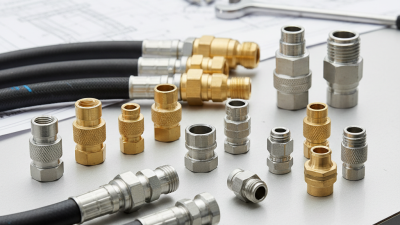
Choosing the right hydraulic fluid involves understanding compatibility with your equipment's materials. Different components, like seals, hoses, and metal parts, react differently to various fluids. This compatibility is vital for optimal performance and longevity of your machinery. For example, certain additives in fluids can degrade rubber seals, leading to leaks and costly repairs.

Consider the material composition of your equipment. If it includes aluminum, avoid fluids with high acidity levels. They can corrode aluminum over time. Tools made from steel may require specific types of fluids to prevent rust and preserve function. Always reference the manufacturer’s guidelines when selecting a hydraulic fluid.

Evaluate your equipment frequently. Watch for signs of fluid breakdown, such as discoloration or particulates. Regular checks can help you identify compatibility issues early. After all, using the wrong fluid can compromise safety and efficiency. Pay attention to change intervals based on your operational conditions. Remember, proactive maintenance is key to a reliable hydraulic system.

Environmental and Safety Regulations Affecting Hydraulic Fluid Choice

Choosing the right hydraulic fluid is critical, not just for equipment performance but also for adhering to environmental and safety regulations. Many industries are increasingly focused on sustainable practices. According to a report by the International Council on Clean Transportation, over 70% of hydraulic systems are impacted by regulations pertaining to fluid disposal and environmental safety. This means the choice of hydraulic fluid can influence compliance and operational costs.

When selecting a hydraulic fluid, consider both its environmental impact and safety features. For instance, biodegradable fluids are often favored in industries where spills may occur. A recent study by the National Institute for Occupational Safety and Health (NIOSH) indicated that hydraulic oils with lower toxicity showed a decrease in workplace accidents and exposure incidents. This data emphasizes the importance of evaluating fluid formulations.

Opting for fluids that meet EPA standards enhances regulatory compliance. Read labels carefully to ensure they align with safety protocols. Consider also the fluid's fire resistance, especially in high-temperature environments. On the surface, these factors may seem secondary to performance, but they can have lasting implications for safety, compliance, and overall operational integrity.

Assess your equipment's requirements against safety data sheets. Always keep safety at the forefront when working with hydraulic fluids. Choosing wisely does not always come naturally and might require more research than expected. This thorough approach is crucial for both operational success and compliance with regulations.

Choose a global leader for your hydraulics solutions

How can we help you?

Call to 0034 943884600 Contact us
Call us Contact us

We use cookies to ensure that we give you the best experience on our website. If you continue without changing your settings, we'll assume that you agree to receive cookies on the HINE website. For more information read our cookie policy page, click the link for more information.plugin cookies

ACEPTAR
Aviso de cookies