How to Choose the Right Hydraulic Pumps and Motors for Your Needs?
Choosing the right hydraulic pumps and motors is crucial for optimizing machine performance. These components are vital in various industries, from construction to manufacturing. Understanding your specific needs can enhance efficiency and reduce costs.
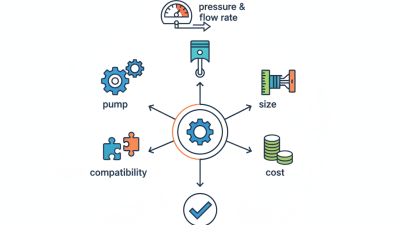
Hydraulic pumps and motors can vary significantly in terms of size, power, and application. Selecting the right type might require considerable thought. You may need to consider factors such as flow rate, pressure requirements, and the operating environment. For example, high-pressure systems require pumps that can handle increased demands.
Sometimes, the options can feel overwhelming. Mistakes in selection can lead to inefficient operations or equipment failure. It's essential to engage with knowledgeable suppliers or consult industry experts. Their insights can clarify complexities and lead you toward informed decisions. As you assess your needs, reflect on your operational goals and system limitations. Each choice holds importance, and understanding this can guide you to the best hydraulic solution.
Understanding the Basics of Hydraulic Pumps and Motors
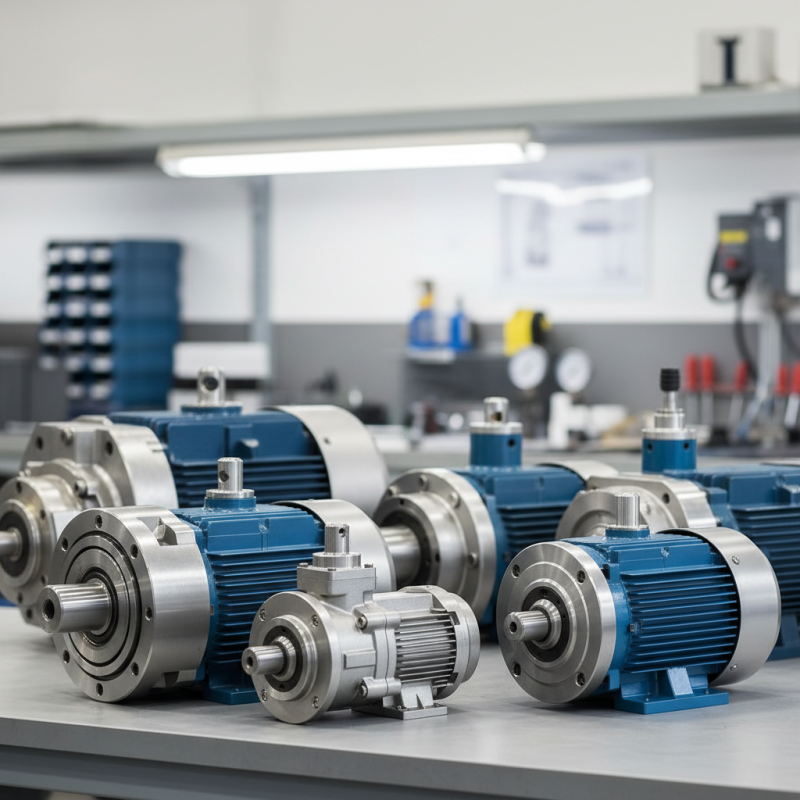
Understanding hydraulic pumps and motors is essential for any project involving fluid power systems. These components are crucial in converting hydraulic energy into mechanical energy.
Hydraulic pumps generate flow, while motors take that flow and produce rotational motion. The two work together to provide efficient power to various applications, from industrial machinery to mobile equipment.
When selecting hydraulic pumps and motors, consider key factors such as pressure ratings, flow rates, and efficiency. Each project has unique requirements. For instance, high-pressure applications might need specific pump designs. Additionally, the correct motor type plays a significant role in performance and lifespan. It's vital to assess the specific operating conditions and load requirements.
Many users underestimate the importance of compatibility between pumps and motors. Inadequate matches can lead to inefficiencies, overheating, or even system failures. It's important to reflect on past experiences and seek advice from experts with hands-on knowledge. While theoretical understanding is valuable, practical insights from real-world applications often reveal critical nuances that textbooks cannot address. Adapting your choices to project demands will enhance system reliability and productivity.
Different Types of Hydraulic Pumps and Their Applications
Hydraulic pumps are essential in various industries, playing crucial roles in fluid power applications. Common types include gear pumps, vane pumps, and piston pumps. According to a recent industry report, gear pumps are most commonly used due to their simple design and reliable performance. Vane pumps offer variable flow rates, making them suitable for operations requiring adaptability. Piston pumps are known for high efficiency and high pressure, often utilized in heavy machinery.
Choosing the right pump type could significantly impact operational efficiency. Tip: Consider the specific requirements of your application. Analyze factors like flow rate, pressure, and fluid viscosity. When selecting a pump, also ensure compatibility with your hydraulic system. Using pumps that do not match system specifications can lead to decreased performance or even system failures.
Hydraulic motors, on the other hand, convert hydraulic energy into mechanical energy. Common types include gear motors, vane motors, and piston motors. Gear motors provide high torque at low speeds, while vane motors offer smooth operation. Piston motors excel in high-duty applications, where efficiency is paramount. Tip: Assess the operating environment. Some motors perform better in specific conditions, such as extreme temperatures or high moisture. Understanding your requirements will guide better choices.
Factors to Consider When Selecting Hydraulic Motors
When selecting hydraulic motors, several critical factors come into play.
The application is paramount. Consider the operating environment. Will it face extreme temperatures or significant vibration?
These elements impact motor performance and longevity. Ensure the chosen motor can withstand such conditions without failure.
Understanding the required torque and speed is essential. Different applications demand varying levels of power.
Assess the load characteristics and duty cycle carefully. An underpowered motor will struggle, while an
overpowered one wastes energy. Precision in matching the motor to specific needs can greatly enhance efficiency.
Tips: Review specifications carefully. Too often, users overlook minor details. Small omissions can lead to significant issues down the line.
Engaging with experienced professionals can provide clarity. They can help make informed decisions based on real-world experiences. Always consider future scalability.
Will your needs change? Investing in a versatile motor can save time and money later.
Matching Hydraulic Pumps and Motors to Your System Requirements
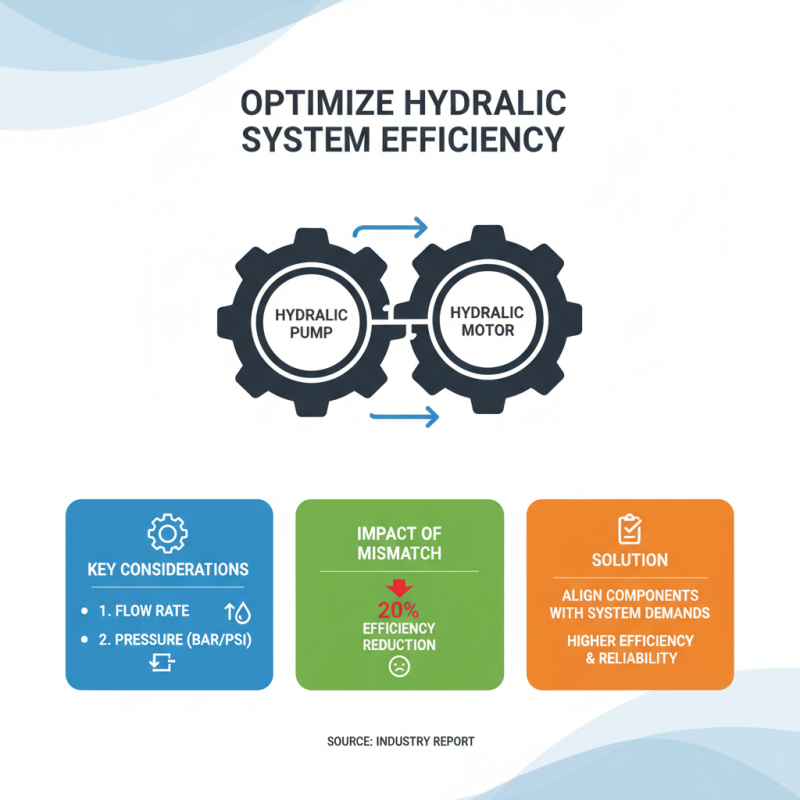
Selecting the right hydraulic pumps and motors can significantly impact your system's efficiency. Understanding your application's demands is crucial. For instance, the flow rate and pressure requirements play a vital role in specifying the correct components. According to a recent industry report, mismatched pumps and motors can lead to a 20% reduction in operational efficiency. This highlights the importance of aligning your choices with specific system parameters.
It’s essential to consider the working environment. Factors like temperature, humidity, and potential contaminants must inform your selection. A noted study revealed that nearly 30% of hydraulic failures are linked to environmental oversights. Therefore, ensuring that the components can withstand these conditions is critical. Additionally, the compatibility of materials can affect the longevity of pumps and motors. Be mindful of selecting options that can endure your system’s unique stresses.
Finally, assessing the total cost of ownership is vital. This includes not just the upfront price but maintenance, energy costs, and potential downtime. Neglecting any of these aspects could lead to unforeseen expenses. The details matter. A thoughtful analysis of these factors ensures a match that meets your hydraulic system's needs while avoiding costly mistakes.