

Top 10 Tips for Choosing the Best Construction Screws?

When it comes to selecting Construction Screws, making the right choice is crucial for any build. Industry expert John Smith, a renowned structural engineer, emphasizes, “The right screw can significantly impact the integrity of a project.” This insight underlines the importance of understanding the nuances of construction screws.

Choosing the best screws involves considering material, length, and coating. These factors can affect durability and strength. For instance, using stainless steel screws for outdoor projects can prevent rust and corrosion. However, many overlook these essentials, leading to potential failures.

The landscape of construction screws is vast and can be overwhelming. Often, people choose based on price alone, neglecting quality. In a competitive market, understanding the specifics of construction screws goes a long way. This decision can either enhance or compromise the longevity of a structure.
Top 10 Tips for Choosing the Best Construction Screws?

Understanding the Different Types of Construction Screws Available in the Market

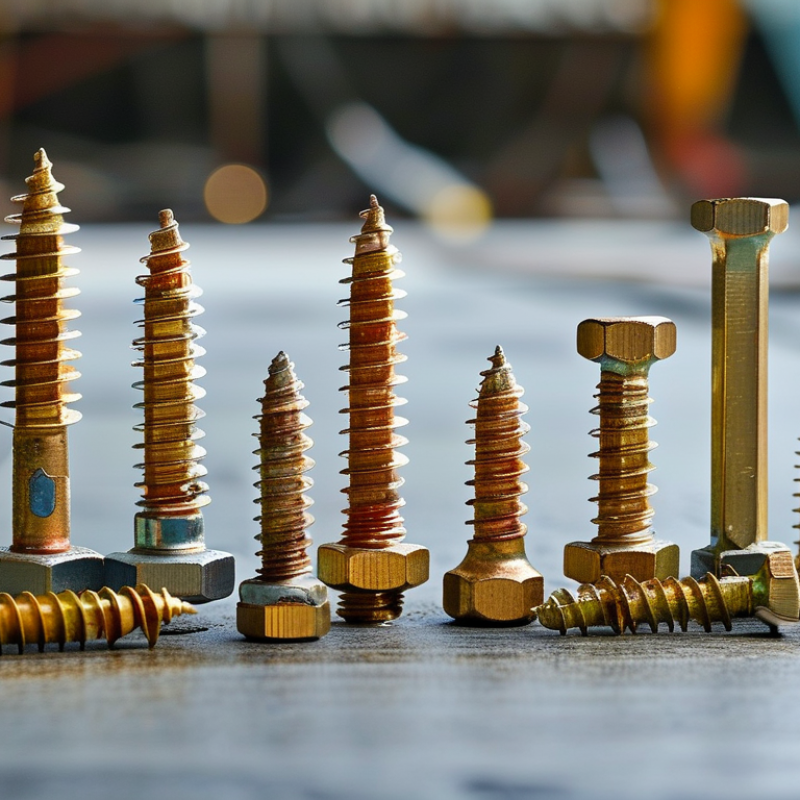
When selecting construction screws, it's crucial to understand the variety available on the market. Screws come in different materials, lengths, and head styles. Common materials include steel, stainless steel, and brass, each offering unique benefits. Steel screws are strong and cost-effective, while stainless steel provides corrosion resistance. Brass screws are ideal for decorative applications.

You might find it helpful to consider specific project needs. Think about the environment where the screw will be used. For outdoor projects, weather-resistant screws are essential. Look for screws with coatings like galvanization or epoxy. These coatings provide an extra layer of protection.

Another aspect to ponder is the screw type. Wood screws feature coarse threads, ideal for soft materials. Sheet metal screws, on the other hand, have sharper tips and finer threads. They work well for fastening metal parts. Each screw type has its own strengths and is suited for specific applications. Understanding these distinctions can guide you toward better choices in your projects.

Evaluating the Material Composition for Durability and Corrosion Resistance

When selecting construction screws, evaluating the material composition is crucial. The right materials help ensure durability and resist corrosion. Many screws are made from steel, but the finish matters greatly. For outdoor projects, consider stainless steel. It offers excellent corrosion resistance, making it ideal for harsh climates.

Zinc-coated screws provide decent protection against rust. However, over time, the coating may wear away. This can lead to structural failures if not monitored. Additionally, some screws have specialized coatings that enhance their durability. These can be more expensive, so weighing the cost versus the long-term benefits is essential.

Be mindful of the environment when selecting screws. Saltwater exposure can accelerate corrosion. Thus, coastal areas demand higher-quality materials. Even with the best selection, some projects may require regular inspections and replacements. This reflects the necessity of ongoing maintenance in construction. Always ask yourself if the chosen screws align with the project’s needs.

Top 10 Tips for Choosing the Best Construction Screws: Evaluating the Material Composition for Durability and Corrosion Resistance

Screw Type Material Durability Rating Corrosion Resistance Best Uses
Wood Screw Steel with Zinc Coating High Moderate Woodworking
Sheet Metal Screw Stainless Steel Very High High Metal Fabrication
Self-Drilling Screw Carbon Steel Medium Low to Moderate Metal to Metal Applications
Concrete Screw Carbide-Tipped Steel Very High High Masonry and Concrete
Deck Screw Coated Steel High High Outdoor Decking
Plastic Screw Nylon Low to Medium High Non-Metal Applications
Lag Screw Steel Very High Moderate Heavy Timber Construction
Anchor Screw Stainless Steel High Very High Dynamic Load Applications
Flooring Screw Coated Steel Medium to High Moderate Floor Installation
Rivet Aluminum Low to Medium High Permanent Fastening

Analyzing Screw Length and Diameter for Optimal Load-Bearing Capacity

When selecting construction screws, understanding screw length and diameter is crucial. The length determines how deep the screw can penetrate, affecting its holding power. A report by the Fastener Standards Institute indicates that a screw’s holding capacity increases significantly with length. For instance, a 3-inch screw offers more grip than a 2-inch screw in structural applications.

Diameter also plays a key role. Thicker screws generally hold more weight and resist shear forces better. For example, a #10 screw can withstand more load than a #8 screw. Data from the American Fasteners Association suggests that proper matching of screw diameter to material thickness is essential for maximizing strength. Misjudging these parameters can lead to structural failure or weakened joints, which could pose safety risks.

Another factor to consider is the material of the screw itself. Steel screws, while strong, can corrode over time if not properly coated. Composite screws may provide better corrosion resistance but could lack the sheer strength needed in specific applications. This balance between length, diameter, and material is vital for achieving optimal load-bearing capacity. It’s important to test different combinations to find the best fit for specific projects.

Top 10 Tips for Choosing the Best Construction Screws

This bar chart illustrates various important specifications for choosing the best construction screws. It visually represents the diameter, length, load-bearing capacity, and material type, which are crucial for ensuring optimal performance in construction projects.

Selecting the Right Thread Design for Specific Applications and Surfaces

Choosing the right thread design for construction screws is crucial. Different applications require different thread types. For instance, coarse threads provide better grip in soft materials like wood. In contrast, fine threads are ideal for hard materials such as metal, providing more precision and pulling power.

A recent report from the Fastener Quality Act revealed that 70% of fastening failures are linked to improper thread choice. This statistic underscores the need for careful selection. When working with concrete, it is wise to use screws designed with a specialized thread profile. This design enhances torque resistance and minimizes the risk of stripping.

It's important to consider the surface type as well. For example, drywall screws feature sharp tips and coarse threads, allowing them to penetrate quickly. However, not all surfaces are the same, and some require specific designs for optimal performance. Misjudgments in thread design can lead to structural weaknesses. Thus, understanding these nuances is essential for ensuring the longevity and safety of any project.

Considering Environmental Factors That Affect Screw Performance and Longevity

When selecting construction screws, environmental factors play a crucial role. Humidity, temperature changes, and exposure to corrosive elements can significantly affect screw performance and longevity. For outdoor projects, screws must withstand the harsh elements. This means selecting materials that resist rust and deterioration.

Consider using stainless steel or coated screws for these environments. These materials are less prone to corrosion. However, keep in mind that not all coatings are equal. Some may wear off faster than others, reducing their protective ability. It's important to research and verify the specifications of screws you plan to use.

Pay attention to the type of wood or materials being fastened. Certain materials can trap moisture, worsening corrosion risks. A localized environment may have unique challenges. For example, coastal areas experience higher salt exposure. This varies your choice of screws. Always assess your project’s specific conditions. This deep understanding will help you make informed choices. A thorough approach ensures better durability and performance.

Choose a global leader for your hydraulics solutions

How can we help you?

Call to 0034 943884600 Contact us
Call us Contact us

We use cookies to ensure that we give you the best experience on our website. If you continue without changing your settings, we'll assume that you agree to receive cookies on the HINE website. For more information read our cookie policy page, click the link for more information.plugin cookies

ACEPTAR
Aviso de cookies