China Best Hydraulic Fluid Suppliers How to Choose?
China is a major sourcing base for industrial lubricants, but choosing a hydraulic fluid supplier takes more than comparing price lists. The product must suit the equipment maker’s requirements, operating temperatures, pressure range, seals, and maintenance schedule. A low-cost drum can become expensive if performance is inconsistent or delivery records are unclear.
A careful review starts with evidence. Request current technical and safety data sheets, batch traceability, and test results supporting product claims. Ask how the supplier verifies viscosity grade, oxidation stability, anti-wear performance, and compatibility with your equipment. If a certificate is provided, check its issuer and scope instead of relying on a logo. Small details matter. Inspect drum seals, labels, storage conditions, and batch consistency. Not every quote tells the full story.
Before a large order, consider testing a sample against your equipment requirements and documenting the results. Confirm minimum order quantities, lead times, packaging options, and how the supplier handles damaged goods or quality concerns. These practical details can reveal gaps that a polished sales presentation may not show. This guide explains how to compare Chinese suppliers, review specifications, and assess communication, export experience, and after-sales support. Keep written records, ask specific questions, and consult a qualified maintenance professional when requirements are uncertain. A confident answer is useful; supporting documents and consistent product performance matter more. That part is easy to overlook.
Understanding the Role of Hydraulic Fluid Suppliers in China
Hydraulic fluid suppliers in China do more than quote prices and arrange shipment. A capable supplier helps match fluid properties to pump design, operating pressure, temperature range, and seal materials. Viscosity matters: fluid that is too thick during cold starts can slow response, while unsuitable viscosity at high temperatures may weaken lubrication. Ask how the supplier checks product consistency and handles technical questions. Details matter.
Reliable support also means clear documentation, batch identification, and practical delivery planning. Request a current technical data sheet and safety data sheet, then compare the stated viscosity and performance requirements with your equipment manual. A sample can be useful, but it should be tested under relevant conditions. A polished datasheet alone cannot prove field performance. Real operating records help, though they are not always complete. That gap deserves attention.
Tips: Confirm the fluid’s specification, packaging, and storage conditions before ordering. Ask about batch certificates and response times for technical issues. Keep a small sample from each delivery for comparison if quality concerns arise. Price is only one measure. Consistent communication and traceable product information can matter just as much.
Identifying the Hydraulic Fluids Your Equipment Requires
Hydraulic fluid is a working component, not just a lubricant. Start with the equipment manual and confirm the required viscosity grade, fluid type, and performance specifications. A mobile excavator operating outdoors may need dependable cold starts, while a factory press may run hot for long shifts. Conditions matter.
Check the pump design, seals, and operating temperature before choosing a fluid. If the machine starts near freezing, fluid that is too thick can slow movement and increase startup strain. If it runs hot, viscosity may fall and wear can rise. Look for requirements such as anti-wear performance, oxidation stability, or fire resistance when the equipment documentation calls for them. Close enough is not always close enough.
Ask suppliers for a current technical data sheet and clear batch identification. Compare the stated properties with the machine’s requirements, rather than relying on a general “hydraulic oil” label. Also check whether the new fluid is compatible with what is already in the reservoir; mixing products can affect performance. In practice, this check is sometimes skipped. It shouldn’t be. If the existing fluid is unknown, pause and get qualified advice before topping up. A clean sample and a record of operating temperature can help narrow the choice, though field conditions are not always easy to measure.
Assessing Product Quality, Certifications, and Technical Support
Choosing a hydraulic fluid supplier takes more than comparing prices. Request a current technical data sheet and check viscosity grade, viscosity index, pour point, and oxidation stability. These figures should match the equipment manual and expected operating temperatures. Details matter. Ask for batch traceability and independent or documented test results, not just a polished product brochure.
Review certifications carefully. A quality-management certificate can show that a supplier follows defined processes, but it does not prove that a particular fluid suits your pump or seals. Check whether stated approvals apply to the exact product and are current. A safety data sheet is useful, but it is not a performance test. If documents are unclear, ask specific questions and keep the written replies.
Technical support becomes important when equipment runs in cold starts, dusty workshops, or high heat. A capable supplier should ask about the pump type, load, seal materials, and service interval before recommending a fluid. They should also explain flushing or changeover considerations when products differ. Notice how quickly they respond, and whether the advice includes practical limits. A checklist still leaves room for judgment; real operating conditions can surprise even experienced maintenance teams.
Comparing Supplier Experience, Capacity, and Customization Options
Choosing among China’s best hydraulic fluid suppliers takes more than comparing prices. Check how long a supplier has handled hydraulic oils and which applications it understands, such as mobile equipment or industrial systems. Ask for technical data sheets, safety information, and recent batch test records. Specific answers matter. A polished brochure can still leave gaps.
Capacity should match your actual purchasing pattern. Ask about typical production lead times, storage controls, and how the supplier manages repeat orders. If possible, review a sample batch report and confirm that product identification stays consistent across shipments. Customization also deserves careful discussion. Share the equipment requirements, operating temperatures, and seal materials, then ask what compatibility checks are available. Changing viscosity or additives without engineering review can create performance problems. Some details may take time to confirm; that is better than receiving confident but vague promises.
Tips: Request a small evaluation sample before a large order. Compare its documentation with your equipment specifications, and keep written records of agreed formulations and delivery schedules. Don’t skip the follow-up.
China Hydraulic Fluid Suppliers: How to Choose
Compare supplier experience, production capacity, and customization options against the fluid specification your equipment requires.
ISO viscosity grades are defined by kinematic viscosity at 40°C; the values shown are nominal grade numbers in mm²/s (cSt), not supplier ratings. When comparing suppliers, ask for test documentation for your required grade, evidence of relevant production experience and capacity, and confirmation that custom formulations or packaging can meet your specification.
Evaluating Pricing, Logistics, and After-Sales Service
When choosing a hydraulic fluid supplier in China, compare the delivered cost, not just the price per drum. A low quotation may exclude export packing, inland transport, or port handling. Ask for a written quote showing the fluid grade, pack size, payment terms, and validity date. Compare equivalent products, since viscosity and performance specifications affect suitability. A cheap substitute can cost more if it causes downtime.
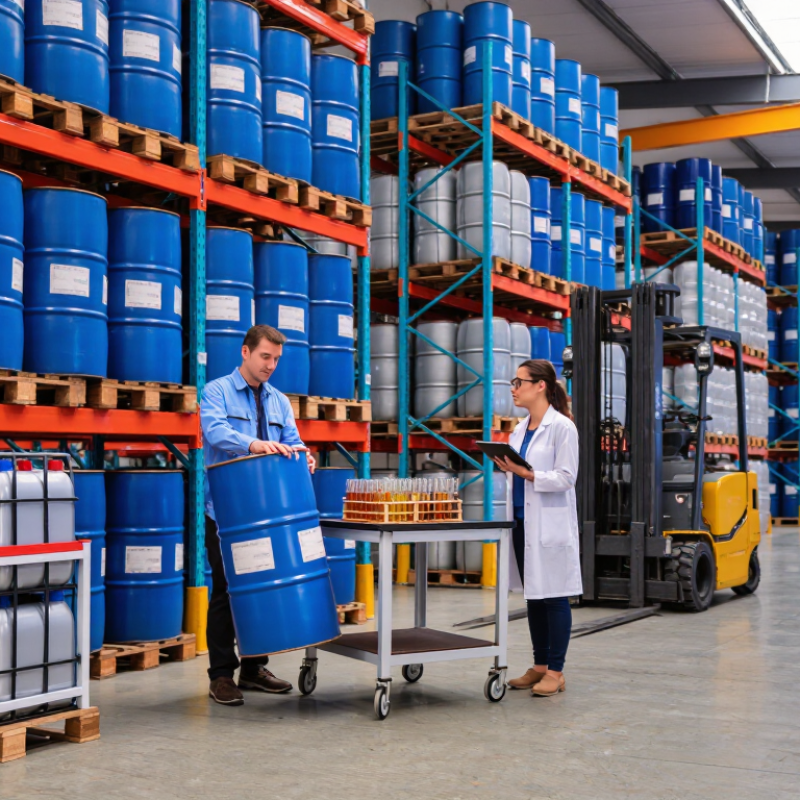
Tips: Request a sample technical data sheet and safety data sheet. Confirm how drums are sealed, labeled, and protected from moisture during transit. Small details matter.
For logistics, ask for realistic lead times, shipment tracking, and a clear process for delayed or damaged goods. If your site needs regular replenishment, check whether the supplier can maintain consistent batches and communicate stock changes early. After-sales service should include technical answers, complaint handling, and access to batch records, not only quick sales replies. Ask who investigates a leak or performance issue, and what evidence they need. A supplier may sound responsive before an order, yet follow-through is harder to judge. That uncertainty deserves attention; no checklist removes it completely.