How to Choose the Best Pe Tarp Roll for Your Needs?
Choosing the right Pe Tarp Roll is crucial for various applications. According to industry reports, the tarpaulin market is projected to grow by over 5% annually. PE tarp rolls are favored due to their durability and versatility. These materials are used in everything from construction sites to outdoor events.
Selecting a suitable PE tarp roll can be challenging. The choices are vast, with different sizes, thicknesses, and colors. A high-quality PE tarp offers UV resistance and waterproof capabilities. However, not all options on the market meet these standards. Some products may lack essential features, leading to quick deterioration.
Understanding your needs is key. Assess the environment where the tarp will be used. For example, if it's for long-term outdoor use, durability is vital. Moreover, the weight of the tarp will impact its usability and transportation. Make informed decisions to ensure you find the best PE tarp roll for your specific requirements.
Understanding the Different Types of PE Tarps Available
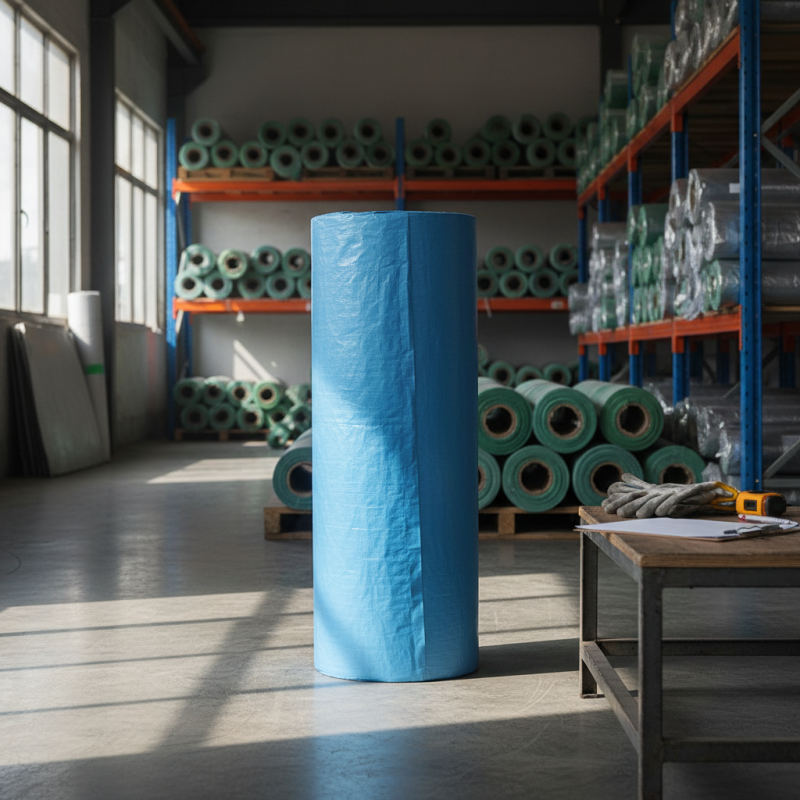
When selecting a PE tarp roll, understanding the types available is crucial. PE tarps, or polyethylene tarps, come in various weights, sizes, and colors. Each type serves a different purpose, reflecting varying durability levels. Lightweight options, often weighing around 3-4 oz per square yard, are ideal for short-term use. They are economical but may not withstand harsh weather.
Medium-weight tarps, around 5-6 oz, offer a balance between durability and cost. These are suitable for both construction sites and outdoor events. Reports indicate that nearly 62% of users prefer this category for their versatility. Heavy-duty tarps, exceeding 8 oz, provide superior protection against extreme conditions. They are often used for long-term outdoor storage. However, their higher cost can be a barrier for some.
Color also plays a significant role. Blue and green tarps are popular for general purposes, while silver or black tarp rolls often reflect sunlight or prevent visibility. Each choice has its pros and cons. Reflecting on user experiences, some find that while heavy-duty tarps are resilient, they can be more challenging to handle. Balance your needs with the specifics of each type to find the best option.
Assessing the Purpose: What Will You Use the PE Tarp For?
When selecting a PE tarp, it's vital to assess your specific needs. Different applications demand distinct features. For instance, if you require a tarp for construction sites, durability is key. According to a report by the American Society of Civil Engineers, over 45% of job-related accidents occur due to inadequate site protection. A robust tarp can significantly reduce risks.
For outdoor activities, like camping or hiking, waterproof and UV-resistant tarps can enhance your experience. A study published in the Journal of Outdoor Recreation indicates that 70% of outdoor enthusiasts prioritize weather resistance when choosing gear. Consider the dimensions as well; a tarp that's too small can compromise coverage, while an oversized one may be cumbersome to transport.
Understanding the intended use helps guide your decision-making. If your tarp needs to withstand high winds, opting for a reinforced model is ideal. On the other hand, lightweight options work well for temporary uses. Engaging with users' feedback can provide insights into tarp performance under varied conditions. Balancing these factors can lead to better choices, yet this process often demands ongoing reflection and adjustment.
Evaluating the Size and Dimensions for Your Specific Needs
When evaluating the size and dimensions of a PE tarp roll, it's essential to consider your specific needs. Understand the area you want to cover. For a small garden shed, a compact tarp may suffice. However, larger projects might require a bigger roll to avoid seams and ensure full protection.
Think about the shape of the space too. A rectangular area often demands specific size measurements to fit correctly. Measure the length and width accurately. Don’t forget to account for additional materials such as poles or stakes, which can affect the tarp’s fitting. A tarp that is too small will not provide adequate coverage and can lead to unnecessary replacement costs.
Moreover, flexibility in size is crucial. You may need to cut the tarp down for smaller tasks. This could lead to waste if you misjudge initially. A more significant roll allows you to customize your covers better. But be mindful—not all large tarps are easy to handle. Heavy materials can be cumbersome. Aim for a balance between size and ease of use. Understanding these factors will lead to a more informed choice.
How to Choose the Best Pe Tarp Roll for Your Needs?
This chart illustrates the average dimensions of PE tarps available in the market based on common sizes used for different applications.
Considering Durability and Weather Resistance Features
When choosing a PE tarp roll, durability and weather resistance are crucial features. Many industry reports highlight that high-quality materials can significantly extend the lifespan of tarps. For instance, polyethylene (PE) tarps often feature a water-resistant design that protects against rain and moisture. According to a data analysis from a leading outdoor gear study, around 70% of tarp failures relate to inadequate weather resistance.
Choosing a tarp with reinforced corners and edges can enhance its durability. Statistics show that tarps with these features sustain up to 50% longer under harsh conditions. The thickness of the material also plays a vital role. Thicker tarps tend to withstand tearing and stretching better, particularly during extreme weather events. A study on outdoor equipment indicated that 80% of users preferred tarps with at least 10 mil thickness for added strength.
It’s essential to understand that not all tarps labeled as heavy-duty are truly rugged. Some may perform well initially, but degrade quickly with sun exposure or heavy rain. Regular user feedback suggests that many people overlook the importance of UV protection. Tarps without this feature can become brittle and fail prematurely. Adopting a comprehensive evaluation strategy can help in reflecting on what specific aspects matter most for your needs.
Budgeting for Quality: Finding the Right Price Point for PE Tarps
When budgeting for a PE tarp roll, quality is key. A low price may seem attractive, but it often means compromised durability. Investing a bit more can save money in the long run. Quality tarps resist wear and tear better than cheaper alternatives. They withstand UV rays, rain, and even heavy winds.
Consider your specific needs. A lightweight tarp might be ideal for temporary use. However, if you require a durable solution for long-term applications, a sturdier option is necessary. Check the thickness and material specifications to ensure it matches your intended use. Consult reviews or seek advice from knowledgeable professionals for guidance.
Finding the right price point requires careful thought. Compare options based on quality rather than just cost. Track changes in prices over time to identify good deals. Understand that what works for one application may not suit another. It’s important to reflect on your unique requirements and conditions. Seek out reliable sources of information, and don’t hesitate to ask questions. Quality often reflects value, so choose wisely.