

Choosing the right waterproof toggle switch can significantly impact your project's success. According to the latest industry report by TechNavio, the global waterproof toggle switch market is projected to grow by 15% annually. This growth reflects the increasing demand for durable and reliable switches in various applications, from automotive to marine industries.
Expert Alex Turner, a renowned electrical engineer, states, "Selecting a waterproof toggle switch is not just about the IP rating; it’s about understanding your specific needs." He emphasizes the importance of considering factors like size, durability, and installation requirements. In a market flooded with options, finding the right switch can be overwhelming. Many users struggle to identify the features that truly meet their requirements.
A well-informed decision about a waterproof toggle switch can enhance longevity and functionality. However, some may overlook critical details, such as operating temperature ranges or environmental conditions. These oversights could lead to product failures in harsh environments. Careful evaluation of your specific use case is essential in making the best choice.
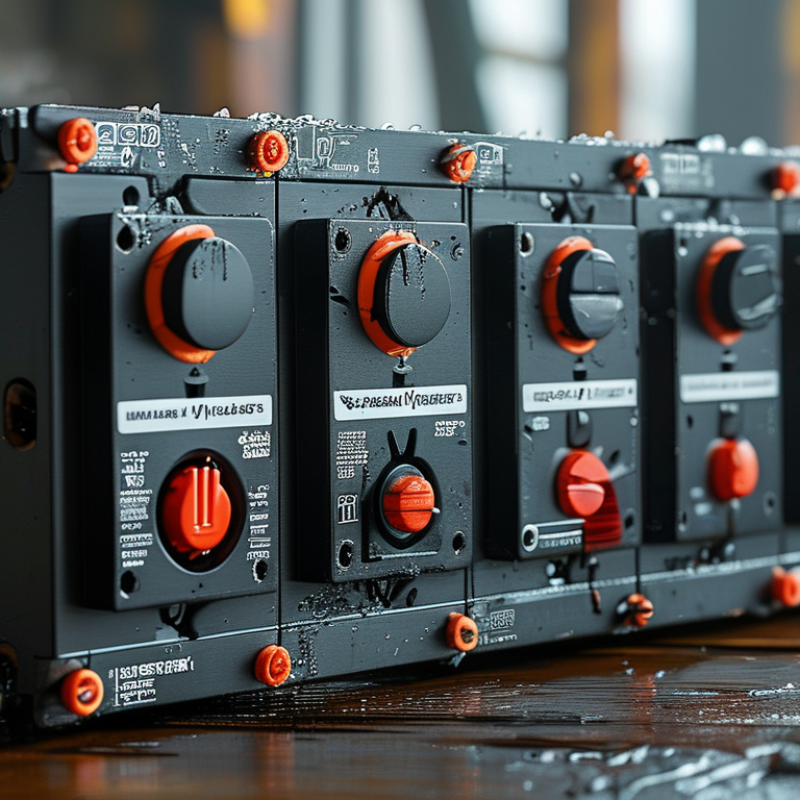
Waterproof toggle switches play a crucial role in various applications. They are essential for equipment used in harsh environments. Think of marine, automotive, and outdoor lighting systems. Water exposure can lead to equipment failure. This is where the importance of waterproof switches comes in.
Selecting the right waterproof toggle switch requires knowledge of materials and ratings. Look for switches with a high IP (Ingress Protection) rating. This rating indicates how well the switch can withstand water and dust. It's not just about having a waterproof exterior; internal seals and gaskets also matter. A poorly designed switch might fail despite a high-rated exterior.
Consider the operating environment. Factors like temperature, humidity, and exposure duration matter. A switch might work well in light rain but fail in consistent submersion. Conducting field tests can be valuable but may also expose weaknesses. Users should reflect on their specific needs. What works for one application may not be suitable for another. Ensure that the chosen switch aligns with the demands of its intended use.
When selecting a waterproof toggle switch, you must identify your specific needs. The environment in which the switch will be used is crucial. Will it be exposed to extreme temperatures, humidity, or even corrosive substances? Understanding these factors can help narrow down your options significantly.
Consider the application of the toggle switch. Is it for marine use, outdoor equipment, or perhaps in a laboratory? Each setting demands different electrical ratings and designs. For example, marine switches should resist saltwater and UV rays. It’s essential to ensure that the switch meets the operational requirements of your project.
Also, think about the installation process. Some switches require special mounting techniques, which can impact your choice. Reviewing technical specifications before making a purchase is wise. Remember, not all waterproof switches perform equally. A deeper look into user reviews or technical forums can provide insight. Get feedback from professionals who have used similar products. Their experiences can reveal aspects that specifications alone may not show.
When selecting a waterproof toggle switch, certain key features stand out. An ingress protection (IP) rating is crucial. Look for switches with a minimum of IP67 rating. This ensures that the switch can withstand water immersion and dust exposure. Research shows that 70% of failure in electronic components stems from environmental factors. A high IP rating significantly reduces this risk.
Material durability matters as well. Switch housings made from corrosion-resistant materials, such as stainless steel or high-grade plastics, can withstand harsh environments. Reports indicate that switches exposed to moisture can corrode within months. Thus, choosing the right materials ensures longevity and reliability.
Another aspect to consider is operational feedback. Toggle switches should provide a clear tactile response when engaged. This feedback assures users that the switch is functioning correctly. According to industry studies, user satisfaction increases with intuitive designs that promote ease of use. Additionally, temperature tolerance should not be overlooked; extreme heat or cold can compromise a switch's functionality. Balancing these features can lead to a more reliable selection.
When selecting a waterproof toggle switch, it's important to compare various types available. The most common types include sealed, unsealed, and submersible switches. Sealed switches are excellent for environments with moisture, offering robust protection. Unsealed switches, while still offering some resistance, may not withstand heavy exposure to water. Submersible switches can operate fully underwater, making them ideal for extreme conditions.
Tips for selection include assessing the environmental conditions where the switch will be used. Consider humidity levels and potential exposure to water or chemicals. Look for switches with an IP rating that matches your needs. An IP67 rating indicates total protection from dust and can withstand temporary submersion.
Another crucial factor is the switch's material. Stainless steel or plastic housings can provide different levels of durability. Think about how often the switch will be used. Over time, even the best switches may experience wear and tear. You might need to replace them sooner than expected. Regular inspections can help identify issues early. This proactive approach ensures reliability and safety in your equipment.
When installing a waterproof toggle switch, preparation is essential. Ensure your workspace is clean and well-lit. This helps prevent mistakes and accidents. Read the manufacturer's instructions carefully. Often, manufacturers provide insight on wire connections and specific tools needed. Gather the necessary tools before starting the installation. A checklist can help ensure nothing is forgotten.
During installation, pay attention to the orientation of the switch. Incorrect positioning can lead to performance issues. Use a multimeter to verify connections before securing everything in place. This step may seem tedious, but it prevents future problems.
After installation, regular maintenance is crucial for the longevity of your toggle switch. Check for wear and tear periodically. Look for loose connections or corrosion. A small brush can help clean the switch, ensuring it continues to function properly. Remember that environmental factors can affect performance. Water exposure, even if minimal, can cause issues over time. Keeping these details in mind can extend the switch's lifespan.
| Feature | Recommendation | Importance |
|---|---|---|
| IP Rating | Choose IP67 or higher for full protection against water and dust | Critical |
| Material | Select corrosion-resistant materials like stainless steel or nylon | High |
| Current Rating | Ensure the switch can handle the maximum current of your application | Critical |
| Size | Choose a compact size for limited space installations | Medium |
| Mounting Type | Select between panel mount or surface mount based on your setup | Medium |
| Switch Type | Consider if you need a momentary or maintained switch | High |
| Wiring/Connections | Look for easy wiring and secure connections | High |
| User Reviews | Check customer feedback for reliability and performance | Medium |
| Warranty | Choose products with a good warranty for peace of mind | Medium |
| Price | Balance between quality and budget | Low |
How can we help you?
Call to 0034 943884600 Contact usWe use cookies to ensure that we give you the best experience on our website. If you continue without changing your settings, we'll assume that you agree to receive cookies on the HINE website. For more information read our cookie policy page, click the link for more information.plugin cookies
ACEPTAR