

How to Choose the Right Dist Transformer for Your Needs?

Selecting the right Dist Transformer is crucial for various applications. A Dist Transformer ensures proper voltage isolation and regulation. It is vital for both commercial and residential settings. Understanding key features will guide your selection process.

When evaluating Dist Transformers, consider the load requirements. Different applications require different power capacities. Efficiency ratings are also important. Higher efficiency results in lower energy costs. Also, think about the installation environment. Some transformers perform better in specific conditions.

Too often, users overlook maintenance needs. Regular checks can extend the lifespan of a Dist Transformer. Failure to do so may lead to costly downtimes. Reflecting on these aspects can sharpen your decision-making. Balancing performance, cost, and reliability leads to better results. Choose wisely, as the right Dist Transformer can significantly impact your system's efficacy.
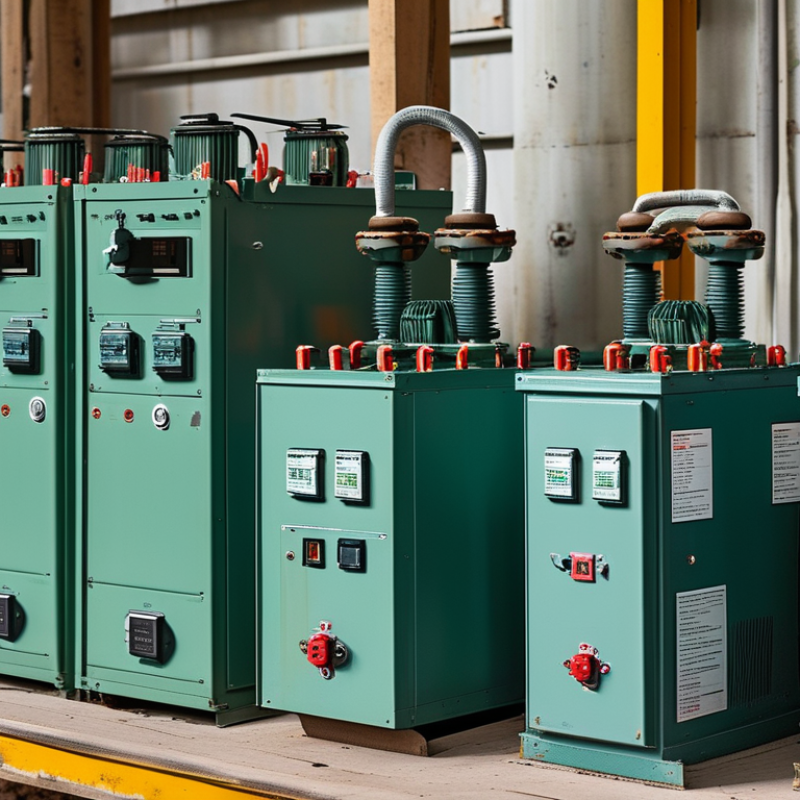
How to Choose the Right Dist Transformer for Your Needs?

Understanding the Basics of Distribution Transformers and Their Functions

Distribution transformers play a critical role in electrical systems. They step down voltage from transmission lines to usable levels for industries and homes. Understanding how they function is key to selecting the right model. A typical distribution transformer has an efficiency rating between 95% to 99%. This means minimal energy loss, which is essential for reducing operational costs.

The design and capacity of a transformer directly affect its performance. For example, a 75 kVA transformer typically powers small to medium-sized businesses. Larger facilities may require transformers rated at 150 kVA or more. Size, voltage rating, and cooling methods are vital parameters to consider. Significant load fluctuations can lead to overheating, which could damage the transformer.

One must also consider maintenance. Regular inspections minimize failure risks. A study indicated that around 80% of transformer failures are due to lack of maintenance. Awareness of these factors can enhance reliability and efficiency. Making an informed choice involves dissecting these nuances, ensuring a suitable match for specific needs.

Key Factors to Consider When Selecting a Distribution Transformer

Choosing the right distribution transformer is essential for efficient power management. There are key factors to consider that align with your specific requirements. First, assess the power rating needed for your applications. Understanding your load demand is crucial. A transformer too small will lead to inefficiencies and overheating. Conversely, an oversized transformer can result in unnecessary costs.

Another important factor is the voltage class. Different applications require various voltage levels. Incorrect voltage matching can damage equipment or affect performance. Ensure the transformer supports your distribution network's requirements. Remember that installation environments also play a role. Outdoor transformers face different challenges than indoor ones, like weather conditions and space constraints.

Consider maintenance needs as well. Transformers require regular checks to ensure reliability. Frequent maintenance may add to operational costs. Evaluate the maintenance history of the transformers you are considering. A good history often indicates reliability, but look for any red flags. It's essential to weigh all these factors carefully. Your decision should reflect both current and future needs.

How to Choose the Right Dist Transformer for Your Needs? - Key Factors to Consider When Selecting a Distribution Transformer

Factor Description Importance Level
Power Rating Determines the maximum load the transformer can handle. High
Voltage Level Ensures compatibility with the power supply and load voltage requirements. High
Efficiency Reflects energy losses; higher efficiency reduces operational costs. Medium
Cooling Method Indicates whether air or oil is used for cooling; affects installation environment. Medium
Regulatory Standards Compliance with local and international standards for safety and performance. High
Environmental Considerations Assessing environmental impact and facility requirements. Medium
Budget Overall cost, including initial purchase and operating expenses. High

Analyzing Load Requirements and Voltage Requirements for Optimal Performance

When choosing a distribution transformer, understanding load requirements is crucial. Load requirements refer to the amount of power your system needs. Accurate calculation prevents overloading or underutilization. According to industry reports, 30% of transformers fail due to miscalculations in load assessments. This data underscores the importance of careful analysis. Use current data to assess your load requirements.

Voltage requirements also play a significant role. They determine how well your transformer can convert supply voltage for your application's needs. National Electric Manufacturers Association (NEMA) provides guidelines for voltage ranges. Deviating from these can lead to reduced efficiency. Transformers need to match voltage specifications that suit operational needs. A mismatch can cause overheating or damage over time.

Conducting a thorough assessment requires professional expertise. Ideally, this should include simulations and stress tests. Even minor errors in estimation can lead to significant operational issues. Regular consultations with electrical engineers can enhance decision-making. Investing time in understanding these parameters leads to improved performance. Ultimately, a customized approach ensures reliability in power distribution.

Transformer Load Requirements and Voltage Levels

This chart illustrates the load and voltage requirements for different applications to help select the right distribution transformer for specific needs. The first dataset represents the load requirements in kVA, while the second dataset shows the corresponding voltage requirements in kV.

Evaluating Efficiency Ratings and Environmental Impact of Transformers

When selecting a distribution transformer, efficiency ratings play a critical role. Energy efficiency not only impacts operational costs but also affects environmental sustainability. According to the U.S. Department of Energy, transformers can account for nearly 10% of total energy losses in electric distribution systems. High-efficiency models, often labeled with a premium rating, can reduce this loss significantly.


Beyond efficiency, the environmental impact of transformers also requires attention. Many transformers use mineral oil as insulation, but this can pose risks. Studies show that environmentally friendly alternatives, like biodegradable oils, can reduce ecological damage in the event of leaks. Research conducted by the Electric Power Research Institute indicates that eco-friendly transformers can reduce greenhouse gas emissions by up to 30%.


Decision-makers should consider both the efficiency ratings and environmental impacts when choosing a transformer. The United Nations has set specific goals for sustainable infrastructure. Therefore, selecting transformers that meet these environmental standards is crucial. As industries weigh their options, they must reflect on both energy savings and ecological responsibility to align with global sustainability efforts.

Comparing Various Types of Distribution Transformers: Oil vs. Dry Type

When selecting a distribution transformer, the choice between oil and dry type is crucial. Oil-filled transformers use insulating oil for cooling and can handle larger loads. They are often preferred for their efficiency in power distribution. However, these transformers require more space for installation due to safety regulations regarding flammable materials.

On the other hand, Dry Type Transformers are compact and suitable for indoor installations. They use air for cooling, making them safer in environments with strict fire codes. Their maintenance is generally easier, but they're often less efficient than oil-filled types.

Choosing the right transformer depends on the specific application and environment. Consider factors like location and safety regulations. Both types have distinct advantages and drawbacks. Reflecting on these aspects helps ensure the right choice is made. A thorough understanding of your needs is vital for an effective decision.

Choose a global leader for your hydraulics solutions

How can we help you?

Call to 0034 943884600 Contact us
Call us Contact us

We use cookies to ensure that we give you the best experience on our website. If you continue without changing your settings, we'll assume that you agree to receive cookies on the HINE website. For more information read our cookie policy page, click the link for more information.plugin cookies

ACEPTAR
Aviso de cookies