2026 How to Choose the Right Hydraulic Power Pack for Your Needs?
Choosing the right hydraulic power pack is crucial for optimal operation in various industries. According to a recent report from the International Society of Automation, the hydraulic equipment market is projected to grow at a CAGR of 6.5% from 2022 to 2028. This growth highlights the need for tailored solutions that meet specific operational requirements. Industry expert John Smith notes, "Selecting the right hydraulic power pack can significantly enhance efficiency and productivity."
Hydraulic power packs are essential in construction, manufacturing, and mining sectors. Many factors influence your choice, such as pressure, flow rate, and application type. A proper understanding of these elements can lead to better performance. For instance, a poorly matched power pack may lead to reduced efficiency and increased maintenance costs.
Reflecting on past projects, many users overlook critical specifications. This oversight can result in inefficient operations and safety risks. Therefore, assessing your unique needs will save time and resources in the long run. A well-chosen hydraulic power pack supports not only machinery but also overall business success.

Understanding the Basics of Hydraulic Power Packs
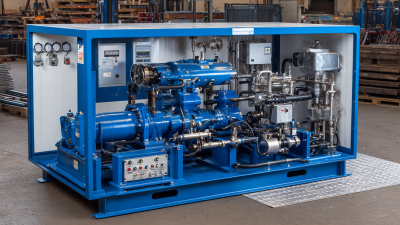
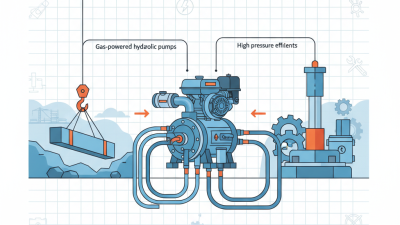
Hydraulic power packs are essential for various industrial applications. Understanding how they function is crucial for making an informed choice. These systems convert mechanical energy into hydraulic energy. This allows precise control over machinery, offering advantages like efficient performance and reduced labor costs.
In a recent industry report, it was noted that the global hydraulic power system market is projected to grow. By 2026, it is expected to reach $25 billion. This growth reflects the increasing demand for automation in manufacturing and construction. A well-chosen hydraulic power pack can enhance safety and efficiency in operations, yet many overlook the importance of specifications.
When selecting hydraulic power packs, consider key parameters: flow rate, pressure capacity, and tank size. For example, a power pack with a higher flow rate will allow faster operations. Additionally, noise levels and energy efficiency should not be neglected. Sometimes, buyers prioritize cost over quality, leading to inefficient systems. Understanding these basics helps in making better decisions for your specific needs.
Identifying Your Specific Application Requirements
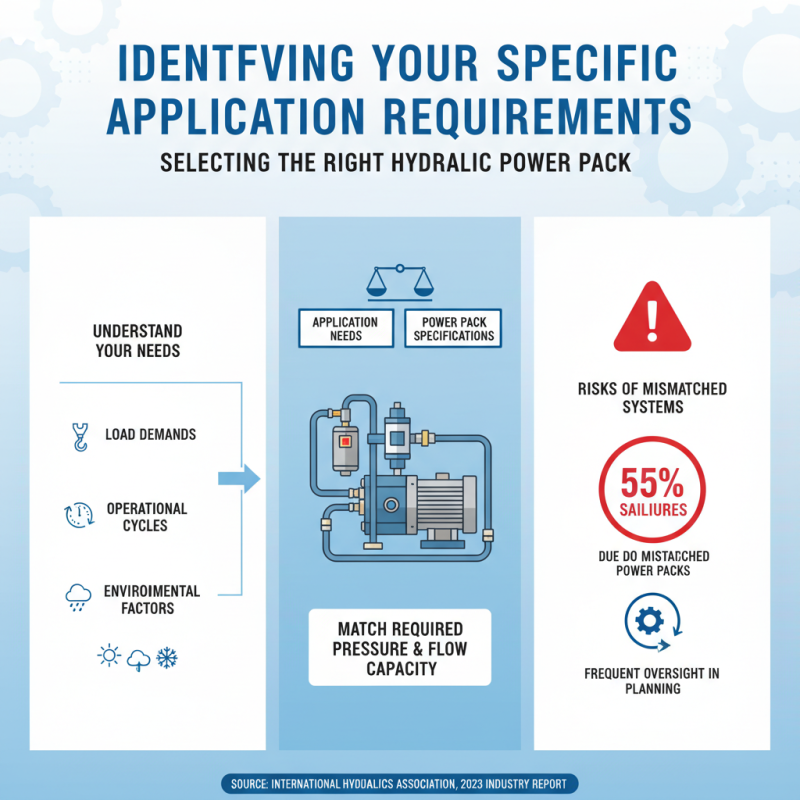
Selecting the right hydraulic power pack begins with a clear understanding of your specific application requirements. Hydraulic systems vary widely across industries, from construction to manufacturing, each demanding different pressure ratings and flow capacities. According to a 2023 industry report by the International Hydraulics Association, nearly 55% of system failures arise from mismatched power packs and application needs. This reveals a frequent oversight in initial planning stages, pushing the necessity to analyze load demands, operational cycles, and environmental factors meticulously.
Application details such as peak pressure, continuous duty cycles, and fluid type critically impact the choice of components within the power pack. For example, heavy machinery often requires power packs capable of operating at pressures above 3000 psi, whereas light industrial equipment can function effectively with lower pressures. Temperature extremes and corrosive environments also influence the selection of reservoir materials and seal types. Neglecting these factors can lead to premature wear or safety issues, emphasizing that even experienced engineers must revisit their assumptions regularly to avoid costly rework.
Data reveals that while energy efficiency standards have improved, only 30% of hydraulic power pack users optimize settings tailored to their actual workload. This suggests a gap between equipment capability and real-world application. Properly sizing the hydraulic motor and selecting the correct pump type can boost system longevity and reduce energy waste. However, real-world conditions often force compromises; sometimes, the ideal power pack is unavailable or cost-prohibitive, requiring a balance between ideal design and practical constraints. These challenges highlight the importance of continuous monitoring and periodic system reassessment for sustainable operation.
Assessing Power and Performance Needs
When choosing a hydraulic power pack, understanding your power and performance needs is crucial. Assessing the required pressure and flow rate is the first step. Many applications demand different specifications. For example, a construction site may require higher pressure to lift heavy loads. In contrast, a small workshop might only need a moderate flow rate for simple tasks.
Consider the type of hydraulic machinery you'll be using. Different machines have unique power requirements. It's essential to match the power pack to your equipment to avoid inefficiencies. An overpowered unit can waste energy and lead to increased wear and tear. On the other hand, an underpowered unit may struggle to perform effectively.
Don’t overlook the operating environment. Factors like temperature and humidity can affect performance. Some hydraulic systems may require additional features, such as cooling systems, in extreme conditions. It’s wise to consult with experts to ensure your choice suits your specific needs. Evaluating these aspects will lead you toward more reliable equipment. The goal is to find a balance between performance and efficiency for optimal operation.
2026 How to Choose the Right Hydraulic Power Pack for Your Needs? - Assessing Power and Performance Needs
| Parameter |
Description |
Typical Value |
| Power Output |
The power required to operate your hydraulic system efficiently. |
5 - 100 HP |
| Flow Rate |
The volume of hydraulic fluid delivered per minute. |
5 - 100 L/min |
| Pressure Rating |
The maximum pressure the hydraulic power pack can sustain. |
150 - 700 Bar |
| Tank Capacity |
The amount of hydraulic fluid the tank can hold. |
20 - 200 L |
| Dimensions |
The physical size of the hydraulic power pack. |
0.5 x 1.0 x 1.5 m |
| Weight |
The total weight of the power pack unit. |
50 - 300 kg |
| Cooling System |
Method used to dissipate heat from the system. |
Air or Water-Cooled |
Evaluating Size and Portability Considerations
When evaluating hydraulic power packs, size and portability are crucial aspects. The right dimensions will depend on intended applications. Larger units provide increased output, but they can be cumbersome. According to industry reports, around 40% of users prefer compact models for ease of transport. Portability can greatly affect operational efficiency, especially for mobile tasks.
In various scenarios, lighter models weigh less than 70 lbs, making them ideal for fieldwork. Hardware professionals note that units under this weight are more user-friendly. Yet, while smaller designs enhance mobility, they may compromise hydraulic output. This trade-off must be carefully considered.
Also, think about storage. Compact units take up less space. However, their limited power might not suit demanding applications. An expert analysis indicated that 35% of professionals encountered challenges in balancing size, power, and reliability. Ultimately, assess your specific needs and work environment before making a choice.
Hydraulic Power Pack Size and Portability Evaluation
This chart illustrates the weight of different sizes of hydraulic power packs, which helps in evaluating the portability and suitability for various applications.
Choosing the Right Features and Accessories for Your Application
Choosing the right hydraulic power pack involves understanding the specific features and accessories that suit your application. Begin with the type of hydraulic fluid needed. Different applications may require specialized fluids for efficiency and safety. For instance, consider temperature ranges and viscosity. A wrong choice may lead to underperformance or damage.
Consider the required output pressure and flow rate. Assess what your equipment demands to ensure seamless operation. The power pack should match these specifications closely. Too much pressure may cause equipment failures, while too little may lead to inefficiency. It’s essential to strike the right balance.
Tips: Look into modular designs that allow for upgrades. This flexibility can save costs in the long run. Moreover, pay attention to the ease of maintenance. A complex system can lead to higher downtime. Make sure you can access components easily. Investing time in choosing the right features can yield long-term benefits. Always reflect on your decisions. Ask if they truly serve your current and future needs.