How to Choose Wooden Window Frames for Your Home?
Choosing Wooden Window Frames for your home can be a daunting task. With so many options available, it’s essential to make an informed decision. Renowned expert in home design, John Smith, emphasizes, “Quality wooden window frames can elevate the aesthetics and efficiency of any space.” His insight highlights the importance of selecting the right materials.
Wooden window frames not only add charm but also improve energy efficiency. They provide better insulation compared to other materials. However, they do require regular maintenance to preserve their integrity. Many homeowners overlook this aspect. Choosing the right type of wood is vital. Hardwoods like oak and mahogany are durable and long-lasting.
Remember, wooden window frames can reflect your personal style. Still, the selection process needs careful consideration. Reflect on factors like climate, design preference, and budget. Failing to account for these could lead to dissatisfaction. Investing in quality frames can transform your living environment, but ensure you choose wisely.
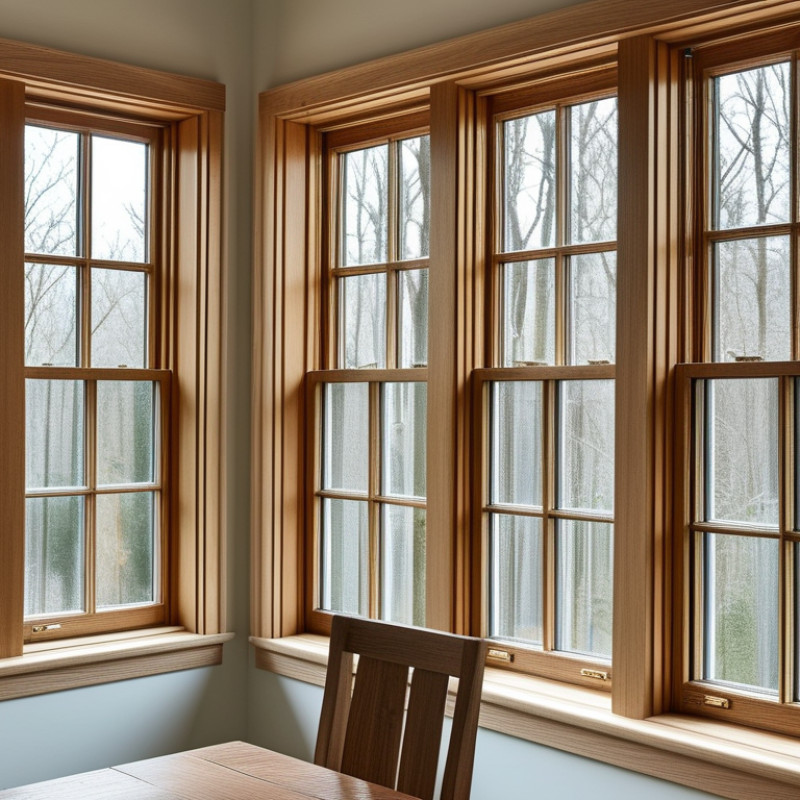
Understanding the Benefits of Wooden Window Frames
Wooden window frames offer a blend of elegance and superior insulation. They enhance the visual appeal of a home while providing practical benefits. According to the U.S. Department of Energy, wooden frames can reduce heating costs by up to 20% due to their natural insulating properties.
When considering wooden window frames, it is crucial to assess the type of wood used. Hardwoods like oak and maple are more durable than softwoods. They resist warping and offer longevity. It's also worth noting that treated wood can withstand weather better, prolonging the life of your windows.
Tips for selecting wooden window frames: Check the wood’s density. Heavier options often indicate higher quality. Opt for double-glazed windows to enhance energy efficiency. Don’t forget about maintenance; choose finishes that protect from moisture and UV damage, ensuring your frames stay beautiful longer. Reflect on your local climate too, as humidity can impact wood performance.
Evaluating Different Types of Wood for Window Frames
When choosing wooden window frames, the type of wood significantly impacts durability and aesthetics. Hardwoods, such as oak and maple, offer strength and resistance to warping. They often feature beautiful grain patterns, enhancing your home's character. However, they can be more expensive and may require more upkeep.
Softwoods, like pine, are more affordable and easier to work with. While they might not be as durable as hardwoods, they can still perform well if properly treated. Consider your climate; some woods fare better in humid environments. Each wood type presents unique challenges. For example, rot is a concern with softer woods. Therefore, make sure to assess your environmental conditions before making a decision. Ultimately, balancing cost, aesthetics, and maintenance needs demands careful thought.
Assessing Energy Efficiency in Wooden Window Frame Options
When selecting wooden window frames, energy efficiency is a key factor. Recent studies show that windows account for about 30% of a home's energy loss. Choosing the right materials can significantly decrease heating and cooling costs. For instance, frames made from sustainably sourced hardwoods tend to have better insulation properties compared to softwoods. A report by the U.S. Department of Energy indicates that well-insulated windows can save homeowners an average of $500 annually.
Understanding thermal performance is essential. The insulation value of wooden frames varies widely. The National Fenestration Rating Council (NFRC) provides ratings to help assess energy performance accurately. A frame with a lower U-factor indicates better insulation. Ideally, look for frames with a U-factor below 0.30. However, it’s important to consider that not all wooden frames meet these standards. Some may have higher thermal transmittance, leading to inefficiencies.
While aesthetics and climate resistance are important, performance should not be overlooked. Keep in mind that wood requires maintenance to retain its energy-efficient properties. Lack of upkeep can lead to drafts and decreased performance. Balancing charm and energy efficiency in wooden window frames often requires evaluation of both aesthetics and insulating properties. Consider consulting with a window specialist who can provide insights into the best options for your unique home environment.
Choosing the Right Finish for Your Wooden Window Frames
When selecting a finish for wooden window frames, consider the impact on aesthetics and durability. A quality finish can protect wood from moisture and UV damage. Many homeowners overlook the necessity of this protection, potentially leading to costly repairs. According to the National Wood Window and Door Association, well-finished wooden frames can last up to 20 years longer than those without proper treatment.
Popular options include varnish, paint, and stains. Varnish offers a glossy finish and is highly water-resistant. Oil-based stains penetrate the wood, enhancing its natural beauty while providing protection. However, stains may require reapplication every few years. A report from the American Society of Interior Designers suggests that 65% of homeowners prefer natural wood finishes for their warmth and character. This choice can elevate the overall appeal of your home.
Choosing a finish also involves considering the climate. In humid conditions, certain finishes may deteriorate faster. Many users find it challenging to select the right product due to the myriad of choices available. Conducting proper research can mitigate these issues. Consulting a local expert can provide valuable insight tailored to specific environments. Reflecting on your choices now will lead to greater satisfaction in the long run.
Choosing the Right Finish for Your Wooden Window Frames
This chart represents the popularity of different finishing options for wooden window frames among homeowners. The data reflects preferences based on aesthetic appeal, durability, and maintenance requirements.
Finding the Best Suppliers for Wooden Window Frames
When considering wooden window frames, finding the right suppliers is critical. A report by the American Institute of Architects (AIA) indicates that wood-framed windows have become increasingly popular due to their energy efficiency and aesthetic appeal. Over 70% of homeowners prefer wood for its natural look and insulation properties.
Start by researching local suppliers with a solid reputation. Look for companies that provide high-quality wood and sustainable sourcing practices. Transparency in their manufacturing process is essential. According to the Forest Stewardship Council (FSC), certified suppliers ensure that their wood comes from responsibly managed forests. This can affect both the durability and environmental impact of your windows.
Don’t shy away from asking suppliers about their warranties and materials. A good supplier should offer a clear explanation of the wood types they use, as well as their treatment processes. Issues can arise if the wood is not properly treated against moisture and pests. Engaging with suppliers who are knowledgeable about these factors can prevent costly repairs later. In an industry where quality varies greatly, the right supplier can make all the difference in your project.
How to Choose Wooden Window Frames for Your Home? - Finding the Best Suppliers for Wooden Window Frames
| Supplier Location | Wood Type | Frame Style | Energy Efficiency Rating | Price Range |
| North America | Pine | Double-Hung | A+ | $300 - $500 |
| Europe | Oak | Casement | A | $400 - $700 |
| Asia | Mahogany | Sliding | B | $500 - $800 |
| Australia | Keruing | Awning | A++ | $600 - $900 |