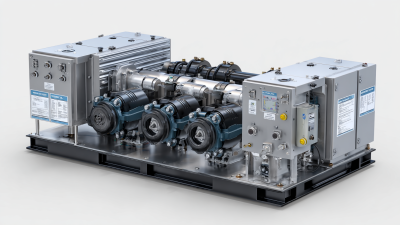

What is the Difference Between Pneumatic and Hydraulic Systems?

In the world of industrial machinery, the debate between pneumatic and hydraulic systems is common. James Lawson, a leading expert in the "pneumatic hydraulic" industry, once stated, “Choosing the right system can change operational efficiency.” This highlights the importance of understanding both types of systems.

Pneumatic systems utilize compressed air, while hydraulic systems rely on liquid fluid power. Each has unique advantages and drawbacks. Pneumatic systems are lighter and often simpler, making them easier to maintain. However, they are less powerful than hydraulic systems. Hydraulics provide more force but can be bulkier and more complex.

The choice between these systems largely depends on the specific application and operational goals. Evaluating the right system can be daunting. It's essential to consider factors like energy efficiency, cost, and space constraints. This nuanced decision-making process reflects the reality that often, a one-size-fits-all approach does not apply.
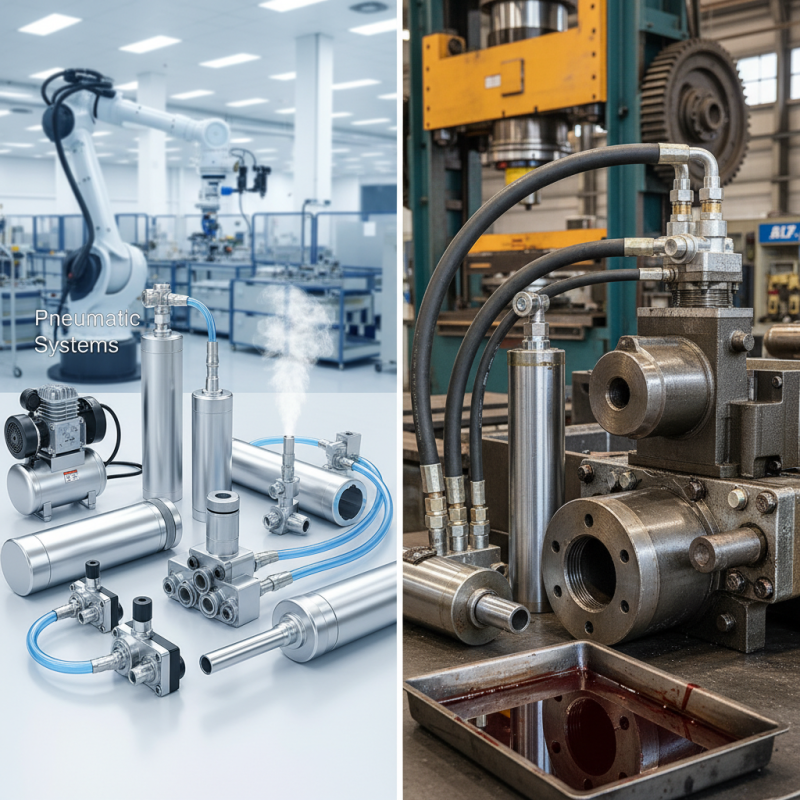
What is the Difference Between Pneumatic and Hydraulic Systems?

Understanding Pneumatic Systems: Principles and Applications

Pneumatic systems use compressed air to transmit power. They are widely applied in various industries. These systems rely on principles of gas compression and expansion. Pneumatic elements, such as cylinders and valves, play significant roles in operation. The devices move quickly and efficiently. They are excellent for tasks like packaging and assembly.

One major advantage of pneumatic systems is their safety. Compressed air is less hazardous than hydraulic fluids. However, they also have limitations. For instance, pneumatic tools can be less powerful than their hydraulic counterparts. Their performance can decrease in high-pressure situations. Additionally, energy loss occurs due to air compressibility. Regular maintenance is crucial for optimal performance.

Understanding pneumatic systems requires knowledge of their inner workings. Knowing how components interact is vital. Users should be aware of potential air leaks, which can impact efficiency. Selecting the right compressor size is also critical. Oversized systems can waste air and energy. Overall, appreciating the nuances of pneumatic technology enhances its applications significantly.
Defining Hydraulic Systems: Key Components and Mechanisms

What is the Difference Between Pneumatic and Hydraulic Systems?

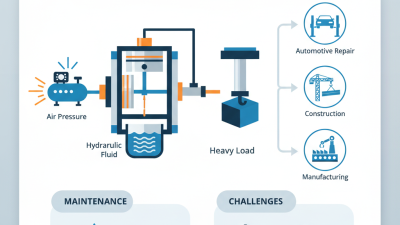
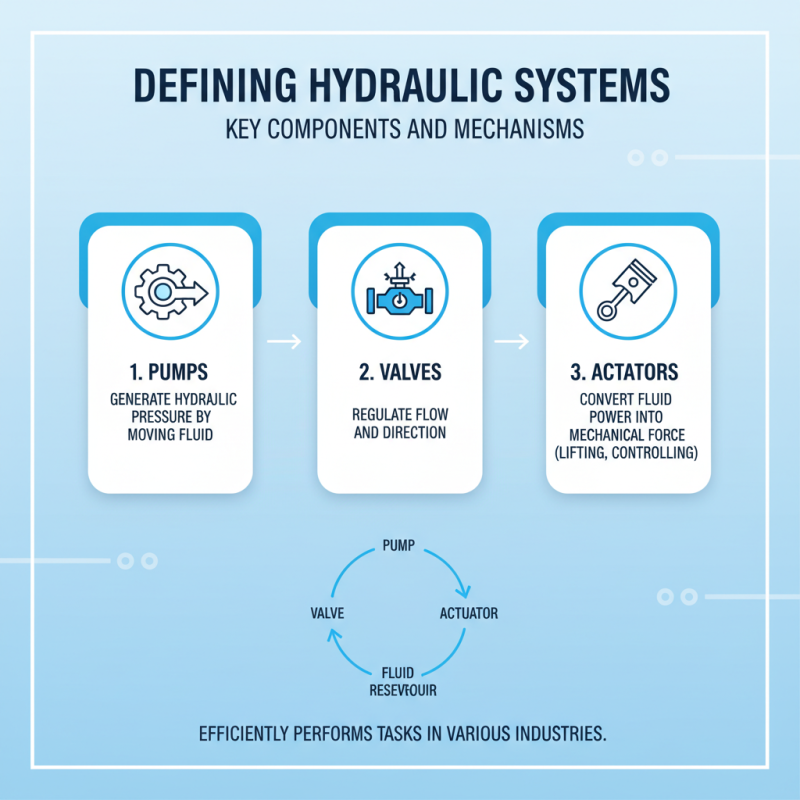
Hydraulic systems play a crucial role in various industries, relying on the principles of fluid mechanics. At the core of these systems are key components, such as pumps, valves, and actuators. Pumps generate hydraulic pressure by moving fluid, while valves regulate the flow and direction. This combination allows hydraulic systems to perform tasks efficiently, like lifting heavy loads or controlling machinery.

A hydraulic actuator converts hydraulic energy into mechanical movement. These actuators come in different forms, including cylinders and motors. Cylinders provide linear motion, while motors deliver rotary motion. The design and material of these components significantly impact performance. Inadequate selection can lead to inefficiencies or failures.

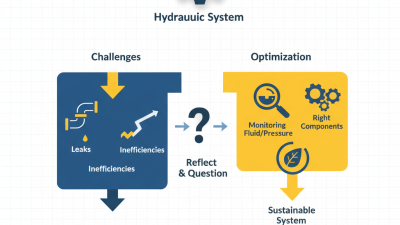
While hydraulic systems are powerful, they are not without challenges. Leakage is a common issue, often causing loss of efficiency. Technicians must address fluid maintenance regularly to mitigate these risks. Understanding these systems requires experience and a careful approach to design and implementation. Continuous learning and adaptation are essential for optimizing hydraulic performance.

Comparative Analysis: Efficiency and Power of Pneumatics vs Hydraulics

What is the Difference Between Pneumatic and Hydraulic Systems?

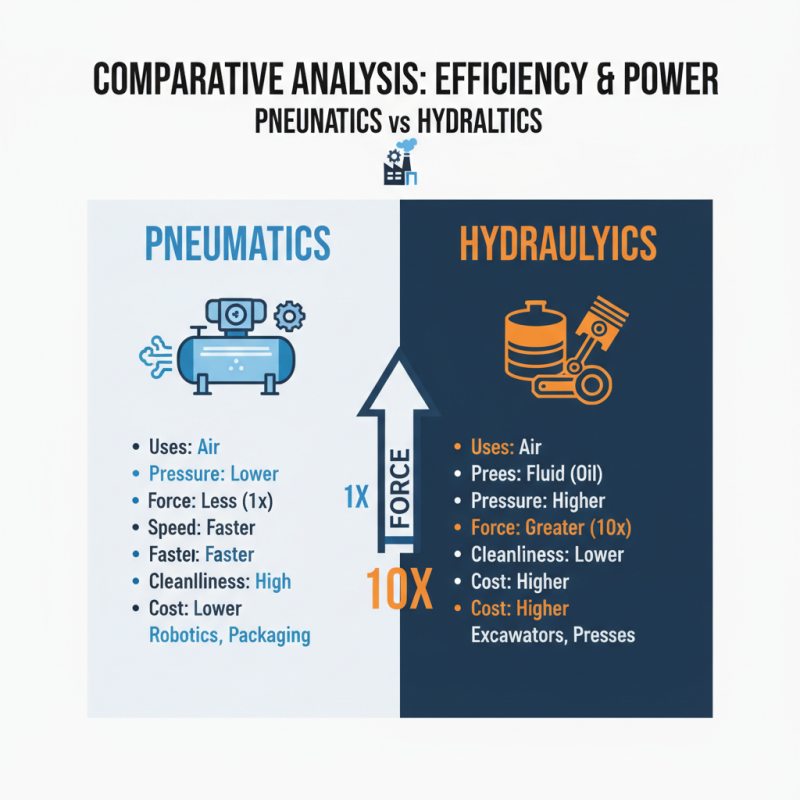
Pneumatic and hydraulic systems are essential in industrial applications. Understanding their efficiency and power differences is crucial for optimal selection. Pneumatic systems use air, while hydraulic systems rely on fluids for power transmission. Statistics indicate that hydraulics can deliver up to 10 times more force than pneumatics. This is significant in heavy machinery operations.

One key advantage of pneumatic systems is their speed and responsiveness. They often provide faster actuation due to lighter components. This can lead to improved productivity in processes requiring high-speed operations. However, pneumatic systems are less efficient in energy consumption, as they can lead to air leaks and wasted energy. Reports suggest pneumatic systems can incur losses of up to 30% due to these leaks.

Tips: Regular maintenance can reduce energy losses. Check connections frequently to prevent air leaks. In contrast, hydraulic systems, while more powerful, can face issues like fluid leaks and require more robust maintenance protocols. It’s crucial to assess the specific application needs. Choosing the right system can drastically improve operational performance and efficiency.

Safety Considerations in Pneumatic and Hydraulic Systems Usage

Pneumatic and hydraulic systems are widely used in various industries. When considering safety, both systems come with unique risks. Pneumatic systems operate using compressed air. They can be less dangerous due to lower pressure. However, sudden air leaks can lead to dangerous situations. For example, a loss of containment may cause uncontrolled movements of machinery.


Hydraulic systems use pressurized fluids, typically oils. They are powerful but can pose greater risks. A fluid leak can create slips and falls, leading to injuries. Moreover, high-pressure bursts can be catastrophic. Understanding system design is crucial to mitigate these risks. Regular maintenance is essential. It can prevent hazardous conditions.


Training personnel to handle these systems safely is vital. Workers should be aware of the potential dangers. Ensuring they understand proper procedures can reduce accidents. Even seemingly minor oversights can lead to severe consequences.


Safety protocols must be stringently followed. Self-reflection on workplace safety culture can enhance overall practices.

Recent Industry Trends: Advancements in Pneumatic and Hydraulic Technologies

Recent advancements in pneumatic and hydraulic technologies show a significant shift in industrial applications. Engineers now leverage smarter systems that combine both pneumatic and hydraulic features. This dual approach enhances efficiency and reduces operational costs. New sensors and control systems optimize performance, making machinery more responsive.

In pneumatic systems, air compression technology is evolving. Systems now use advanced materials that minimize leaks and improve energy efficiency. The trend is moving toward automation and control, allowing for real-time data tracking. This means operators can make informed decisions quickly.

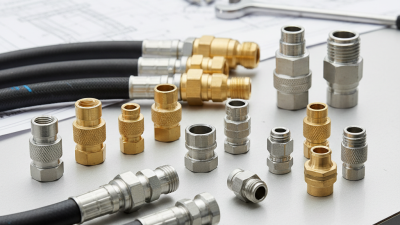
Tip: Regular maintenance can reduce the need for costly repairs. Inspect hoses and fittings often.

Hydraulic systems are experiencing innovations as well. Improved fluid dynamics are enhancing power transmission and lowering energy use. Moreover, safety measures are being integrated into designs, preventing leaks and other hazards. This proactive approach results in safer work environments and longer equipment life.

Tip: Consider training staff on new technologies. It boosts system reliability and performance.

What is the Difference Between Pneumatic and Hydraulic Systems?

Aspect Pneumatic Systems Hydraulic Systems
Fluid Used Compressed Air Liquid (usually Oil)
Operating Pressure Usually 80-120 psi Typically 1000-5000 psi
Speed of Operation Faster Response Time Generally Slower
Applications Assembly Lines, Packaging Construction, Heavy Machinery
Cost Generally Cheaper Usually More Expensive
Maintenance Lower Maintenance Needs Higher Maintenance Requirements
Environmental Concerns Less Contaminating Potential for Spills and Leaks

Choose a global leader for your hydraulics solutions

How can we help you?

Call to 0034 943884600 Contact us
Call us Contact us

We use cookies to ensure that we give you the best experience on our website. If you continue without changing your settings, we'll assume that you agree to receive cookies on the HINE website. For more information read our cookie policy page, click the link for more information.plugin cookies

ACEPTAR
Aviso de cookies