

What is an Electric Flatbed and How Does It Work?

The Electric Flatbed is revolutionizing the logistics industry. According to John Smith, an expert in electric vehicle technology, "Electric Flatbeds present a sustainable solution for modern transportation." This innovation is not only eco-friendly but also efficient, tackling the rising demand for smarter logistics.

The mechanism behind the Electric Flatbed is fascinating. It combines electric motor technology with versatile flatbed designs. Many companies are starting to adopt this technology, hoping to reduce carbon footprints. Despite its benefits, challenges remain. The initial investment can be daunting for small businesses.

As the industry evolves, continuous improvement is essential. Adjustments in design and battery efficiency will enhance performance. The journey of the Electric Flatbed is just beginning, prompting questions about its long-term viability and impact on traditional transport methods. Exploring these aspects may reveal crucial insights into the future of logistics.
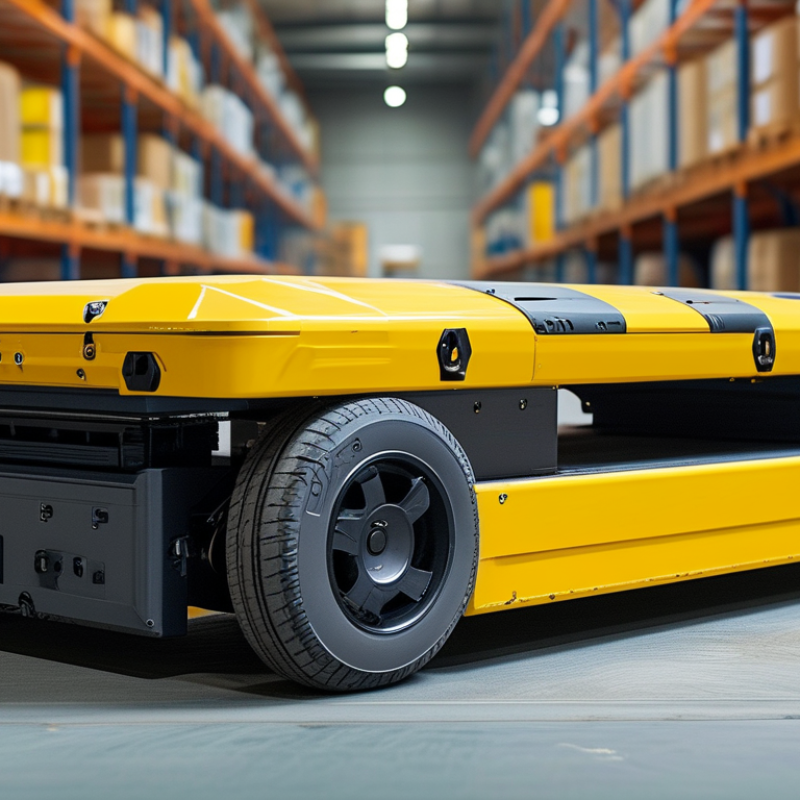
What is an Electric Flatbed and How Does It Work?

What is an Electric Flatbed: Definition and Overview

An electric flatbed is a type of vehicle designed to transport goods in a flexible and efficient manner. These flatbeds are powered by electric motors, which means they produce zero emissions. Typically, they feature a level surface to facilitate loading and unloading cargo easily. Electric flatbeds are gaining popularity due to their environmental benefits and operational efficiency.

The construction of an electric flatbed often involves sturdy materials to support various types of loads. Some models come equipped with advanced features like automated lifts and smart navigation systems. These enhancements allow for seamless maneuvering, even in tight spaces. Users can benefit from the quiet operation of electric flatbeds, making them ideal for urban environments.

However, not all electric flatbeds are created equal. Battery life can vary significantly among different models. Some users report needing to recharge frequently, depending on usage patterns. This highlights the importance of thorough research before purchasing. Overall, learning more about options is crucial for making informed choices.

Key Components of Electric Flatbed Vehicles Explained

Electric flatbed vehicles represent a significant innovation in logistics and transportation. At their core, these vehicles utilize a series of essential components that contribute to their functionality and efficiency. The electric powertrain is a key feature, often comprising electric motors and a robust battery system. These components work together to provide a smooth and sustainable driving experience.

Additionally, the flatbed design offers flexibility and convenience. It allows for easy loading and unloading of cargo. This feature is especially useful for transporting oversized items or equipment. The lightweight materials used in construction also enhance the vehicle's overall efficiency. However, one must consider the limitations of battery life and charging infrastructure. These factors can pose challenges for long-distance operations.

Safety systems play a vital role in electric flatbeds as well. Advanced sensors and cameras provide real-time data to drivers. These systems help prevent accidents and improve overall handling. Yet, there are still concerns regarding reliability and maintenance costs. Continuous improvements and research are needed to address these issues effectively.

Electric Flatbed Vehicle Components Distribution

How Electric Flatbeds Operate: Technology and Mechanisms

Electric flatbeds are revolutionizing the way heavy loads are transported. These innovative vehicles utilize electric motors to drive their wheels, providing a greener alternative to traditional diesel or gasoline trucks. The heart of their operation lies in advanced battery technology. Lithium-ion batteries are commonly used, offering high energy density and fast charging capabilities.

Electric flatbeds also employ smart control systems. These systems optimize power distribution, enhancing both efficiency and safety. Regenerative braking is another key feature, allowing the vehicle to recover energy during deceleration.

While electric flatbeds offer significant advantages, challenges remain. Infrastructure for charging is still developing in many areas. The initial purchase cost can be higher than traditional models. These factors may deter some consumers. Ongoing research and development aim to address these issues, making electric flatbeds more accessible.

Advantages of Using Electric Flatbeds in Transportation Industry

Electric flatbeds are revolutionizing the transportation industry. They offer several advantages that are hard to ignore. First, they provide significant cost savings. Electric flatbeds have lower fuel costs compared to traditional vehicles. This can lead to major budget reductions over time. Maintenance costs are also lower since electric vehicles typically have fewer moving parts.

Another advantage is environmental sustainability. Electric flatbeds produce zero emissions during operation. This helps companies improve their carbon footprint. Many organizations are now prioritizing sustainable practices. Using electric flatbeds aligns with these values well.

However, there are challenges. Charging infrastructure can be lacking in certain areas. This can lead to delays or planning issues for long hauls. Additionally, battery life can be a concern for some operators. They must balance load capacity with energy needs. It’s a learning curve, but many are adjusting and finding solutions.

Market Trends and Projections for Electric Flatbed Adoption by 2030

The electric flatbed market is poised for significant growth by 2030. Recent reports indicate that the global electric flatbed truck market could reach $45 billion by the end of the decade. This growth is driven by factors such as increasing environmental regulations and the demand for sustainable transportation solutions. The trend towards decarbonization has prompted many industries to adopt electric vehicles, including flatbeds, to reduce their carbon footprint.

Researchers predict that electric flatbed adoption rates will rise sharply. By 2030, electric flatbeds could account for over 30% of new vehicle sales in the logistics sector. This projection highlights the increasing acceptance of electric vehicles in commercial applications. However, there remain challenges that need to be addressed. Infrastructure for charging remains insufficient in many regions, which could hinder widespread use.

In addition, technological advancements are crucial. Battery technology improvements are essential for enhancing vehicle range and performance. Currently, concerns regarding performance in heavy-duty applications linger. Stakeholders in the industry should focus on these areas for effective growth. Finding solutions will be vital for the electric flatbed’s successful integration into the market.

Choose a global leader for your hydraulics solutions

How can we help you?

Call to 0034 943884600 Contact us
Call us Contact us

We use cookies to ensure that we give you the best experience on our website. If you continue without changing your settings, we'll assume that you agree to receive cookies on the HINE website. For more information read our cookie policy page, click the link for more information.plugin cookies

ACEPTAR
Aviso de cookies