
Why Are Hydraulic Components Essential for Your Business?

Businesses across various industries rely heavily on hydraulic components. According to a report by Research and Markets, the global hydraulic components market is estimated to reach $40 billion by 2025. This growth strongly indicates their vital role in enhancing operational efficiency and productivity.

Hydraulic components such as pumps, valves, and cylinders offer unmatched power and control. They enable heavy machinery to perform tasks that would be impossible with mechanical components alone. A recent study by the International Fluid Power Society revealed that hydraulic systems are 90% more efficient in energy use than pneumatic systems. This efficiency translates directly into cost savings and improved performance.

However, maintaining hydraulic systems poses challenges. Issues like fluid contamination can severely affect performance and lifespan. Businesses often overlook the importance of regular maintenance, leading to unexpected downtime. This reflection shows that while hydraulic components are essential, businesses must prioritize proper care and training to fully harness their benefits.
Why Are Hydraulic Components Essential for Your Business?

The Role of Hydraulic Components in Industrial Operations

Hydraulic components play a vital role in various industrial operations. These components, such as pumps, valves, and cylinders, enable precise control. They allow heavy machinery to perform complex tasks efficiently. The hydraulic systems leverage fluid power to multiply force. Thus, they are ideal for applications requiring significant strength and accuracy.

In manufacturing, hydraulic systems enhance productivity. They enable quick movements of heavy loads. This efficiency leads to reduced downtime. However, relying solely on hydraulic components can have drawbacks. Maintenance is crucial. Neglect may lead to system failures, which disrupt production. Regular checks and updates can help mitigate these risks.

Understanding the importance of hydraulic components is essential. They are fundamental to industries from construction to automotive. A well-maintained hydraulic system can maximize operational efficiency. Yet, it is essential to keep in mind the potential for wear and tear. Reflecting on your system's performance can lead to better decision-making.

Key Hydraulic Components and Their Functions in Businesses

Hydraulic systems play a vital role in various industries. These components provide solutions for heavy lifting and powering machinery. Understanding key hydraulic elements helps optimize their performance.

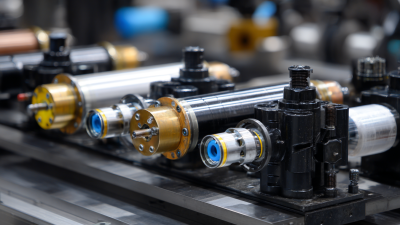
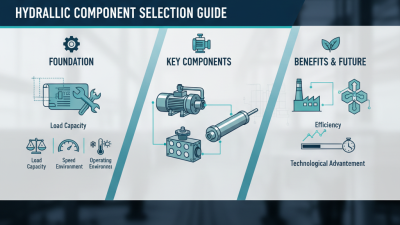
Pumps are fundamental as they convert mechanical energy into hydraulic energy. They create fluid flow, enabling different hydraulic functions. Cylinders, on the other hand, translate hydraulic energy back into mechanical motion. They are essential for tasks like lifting or moving loads. Valves control the flow and pressure, ensuring that systems operate safely and efficiently.

Regular maintenance is crucial for hydraulic systems. Neglected components can lead to leaks and reduced performance. Conducting routine checks can save time and money. Monitoring fluid levels and replacing worn seals helps maintain efficiency.

Hydraulic systems can be complex. Proper training is necessary for operators. Understanding the system's workings helps prevent misuse and accidents. Creating a robust training program ensures safety and reliability in operations.

Why Are Hydraulic Components Essential for Your Business? - Key Hydraulic Components and Their Functions in Businesses

Hydraulic Component Function Common Applications
Hydraulic Pump Converts mechanical energy into hydraulic energy by moving fluid Construction machinery, manufacturing equipment, and material handling
Hydraulic Cylinder Produces linear force and movement through hydraulic pressure Forklifts, excavators, and industrial automation systems
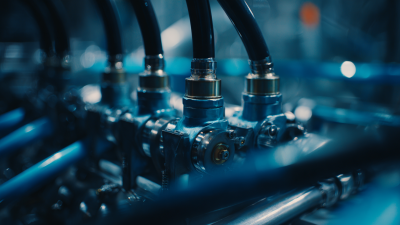
Hydraulic Hose Transports hydraulic fluid between components Agricultural machinery, oil rigs, and automotive systems
Hydraulic Valve Controls the flow and direction of hydraulic fluid Hydraulic presses, production lines, and robotic systems
Hydraulic Filter Removes contaminants from hydraulic fluid to protect components Mobile equipment, industrial machines, and power generation

Statistical Impact of Hydraulic Systems on Operational Efficiency

Hydraulic systems play a pivotal role in enhancing operational efficiency across various industries. The integration of hydraulic components can lead to significant improvements in productivity. For instance, hydraulic machines often require less manual effort, allowing operators to focus on critical tasks. Studies have shown that businesses implementing hydraulic solutions experience up to 25% increases in efficiency. This efficiency stems from the precise control and fast actuation that hydraulic systems provide.

Moreover, hydraulic systems contribute to reducing downtime. Equipment failures can severely impact productivity and revenue. By utilizing hydraulic components, companies can improve the reliability of their operations. A well-functioning hydraulic system can extend the lifespan of machinery and reduce the frequency of repairs. Anecdotal evidence suggests that businesses maintained by hydraulic technology reported fewer interruptions in their operations.

It is important to acknowledge the challenges that come with hydraulic systems. Regular maintenance is essential to ensure optimal performance. Neglecting this can lead to increased costs and operational delays. Training staff to understand hydraulic systems is also crucial. With proper training, workers can troubleshoot issues effectively. This fosters a culture of reliability and efficiency within the organization. Reflecting on these aspects can provide insights into optimizing hydraulic use for better outcomes.

Cost-Benefit Analysis of Implementing Hydraulic Solutions

Hydraulic components play a critical role in various industries, from manufacturing to construction. Their implementation can be pivotal in improving operational efficiency. A recent report by the National Fluid Power Association indicates that hydraulic systems can enhance productivity by up to 30%. This significant increase comes from their ability to provide high power-to-weight ratios and precise control.

However, the initial costs of integrating hydraulic solutions can be daunting. Businesses often hesitate, fearing a negative financial impact. Yet, a study from the International Journal of Industrial Engineering shows that over time, hydraulic systems can lead to substantial savings. By reducing downtime and maintenance costs, they can improve long-term profitability by 25% or more.

The effectiveness of hydraulic systems is undeniable, but not all solutions yield the same results. Organizations must evaluate their unique needs. A one-size-fits-all approach often leads to inefficiencies. Customization can enhance performance and ensure the technology aligns with operational goals. Balancing costs against potential benefits is crucial in making informed decisions.

Cost-Benefit Analysis of Implementing Hydraulic Solutions

Future Trends in Hydraulic Technology and Their Business Implications

The future of hydraulic technology is shaped by innovation and sustainability. As industries seek efficiency, advancements in hydraulic systems are increasingly important. The push for energy-efficient components is growing. These innovations help reduce operational costs and greenhouse gas emissions. Many businesses are adopting hydraulic systems that optimize energy use while maintaining performance.

Understanding these trends is vital for decision-makers. Investing in the latest technology can lead to competitive advantages. However, it’s essential to assess the cost versus benefits carefully. Not all innovations are suitable for every operation. Some new technologies may require significant adjustments to existing systems. Businesses should remain flexible to adapt to these changes.

Evaluate your current hydraulic components regularly. Regular assessments can help pinpoint areas for improvement. Engage with experts who can offer insights into the best practices in hydraulic technology. Embracing a proactive approach ensures your systems stay efficient. Look for partners that emphasize sustainability and innovation in their solutions. Balancing these factors can lead to long-term success in a competitive market.

Choose a global leader for your hydraulics solutions

How can we help you?

Call to 0034 943884600 Contact us
Call us Contact us

We use cookies to ensure that we give you the best experience on our website. If you continue without changing your settings, we'll assume that you agree to receive cookies on the HINE website. For more information read our cookie policy page, click the link for more information.plugin cookies

ACEPTAR
Aviso de cookies