
Essential Tips for Hydraulic Pump Repair You Need to Know?

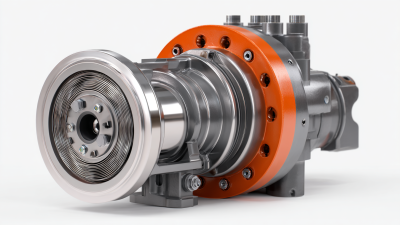
When it comes to hydraulic pump repair, expertise is critical. Bob Jensen, a renowned hydraulic systems technician, emphasizes, “Each pump has a unique story to tell.” This statement highlights the importance of understanding the specific issues that can arise during repair. Every hydraulic pump operates under unique conditions, which influences its performance.

Hydraulic pumps face wear and tear from ongoing use. Proper diagnosis is vital before attempting a repair. Missteps can lead to further damage, which is costly and time-consuming. An experienced technician will assess not just the unit, but also its operating environment. Knowing the context can guide effective repairs and maintenance strategies.

Attention to detail is crucial in hydraulic pump repair. Common mistakes include inadequate cleaning and overlooking small leaks. Each component must be inspected thoroughly. This diligence can prolong the lifespan of the pump. However, even seasoned professionals sometimes overlook certain signs. Reflecting on past failures sharpens skills and improves future outcomes. Addressing the complexities of hydraulic systems requires both knowledge and patience.
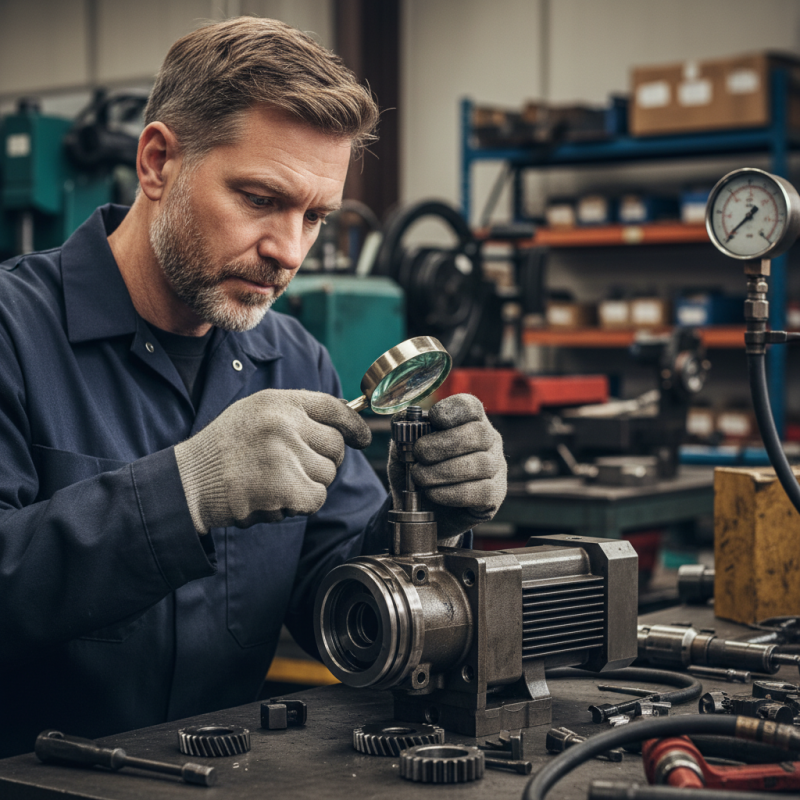
Essential Tips for Hydraulic Pump Repair You Need to Know?

Common Signs of Hydraulic Pump Failure

When it comes to hydraulic pump failure, recognizing the signs early is crucial. Common indicators include unusual noises, decreased efficiency, and fluid leaks. In fact, a study by the Hydraulic Institute shows that nearly 30% of hydraulic pump failures are due to inadequate maintenance. If you notice these symptoms, do not ignore them; they often signal bigger issues.

Tips for maintaining your hydraulic pump include regular inspections. Look for fluid levels and contamination. Fluid cleanliness is vital; contaminants can drastically reduce performance and lifespan. According to industry experts, routine fluid analysis can extend the life of hydraulic components by up to 50%. Another key point is monitoring temperature. Abnormal heat can indicate serious issues. Invest in gauges that help you keep track.

Always consider the environment your equipment operates in. Dusty or dirty surroundings can accelerate wear and tear. Additionally, maintain your equipment according to the manufacturer's guidance, but don't hesitate to adapt as necessary based on operational demands. This approach ensures you stay ahead of potential failures, optimizing the pump's functionality. Regularly evaluate your practices and adjust as needed to prevent dire consequences.
Essential Tools for Hydraulic Pump Repair

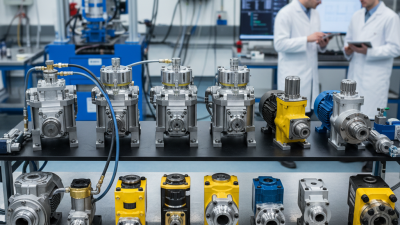
Hydraulic pump repairs require specialized tools to ensure efficient and safe maintenance. Having the right equipment at hand can significantly reduce downtime and improve repair quality. Essential tools include hydraulic fluid testers, torque wrenches, and gauges. These instruments help diagnose issues effectively and ensure that all components are functioning correctly.

When repairing hydraulic pumps, using a torque wrench is crucial. Incorrect torque settings can lead to pump failures. A study by the Fluid Power Society indicates that around 30% of hydraulic failures are due to improper assembly. It’s important to double-check specifications to avoid these costly mistakes.

Another key tool is a hydraulic fluid tester. This device measures fluid viscosity, ensuring it meets the operating requirements of the system. Using incorrect fluid can impact performance. Always refer to manufacturer specifications to maintain optimal operation. Regularly testing fluid quality helps prevent systemic issues. Inexperienced users often overlook these details, potentially leading to significant problems down the line.

Step-by-Step Guide to Disassembling a Hydraulic Pump

Disassembling a hydraulic pump can seem daunting. However, following a structured approach can make the task manageable. Begin by gathering essential tools: wrenches, screwdrivers, and a clean workspace. Ensure you have safety goggles and gloves. This process requires attention to detail.

Start by disconnecting the hydraulic hoses. Always remember to relieve any pressure. This step is crucial for your safety. Next, observe the pump carefully before disassembly. Identify securing bolts and any fasteners that hold it together. Make sure to document each step with notes or photos. This can be helpful during reassembly.

While disassembling, keep track of the small components. Springs and O-rings can easily get lost. Lay them out systematically to avoid confusion. If you encounter resistance, don't force parts apart. Reflections on your technique are vital. Ask yourself: Are you being methodical? This practice can prevent mistakes and ensure a reliable repair.

Essential Tips for Hydraulic Pump Repair You Need to Know

Step Description Tools Needed Safety Precautions
1 Gather all necessary tools and safety equipment. Wrench set, Screwdrivers, Safety goggles, Gloves Wear protective gear before starting.
2 Disconnect the pump from power and hydraulic lines. Basic hand tools Ensure the system is depressurized.
3 Remove the pump housing or cover carefully. Socket set, Torque wrench Handle components gently to avoid damage.
4 Inspect internal components for wear or damage. Inspection mirror, Flashlight Be cautious of sharp edges.
5 Replace any damaged components and reassemble the pump. Replacement parts, Gasket sealant Follow the manufacturer’s specifications.
6 Reconnect the pump to power and hydraulic lines. Basic hand tools Check for leaks before powering on.
7 Perform a test run to ensure proper operation. Multimeter (if necessary) Stay clear of moving parts during operation.

Tips for Replacing Hydraulic Pump Seals and Bearings

Essential Tips for Hydraulic Pump Repair You Need to Know?

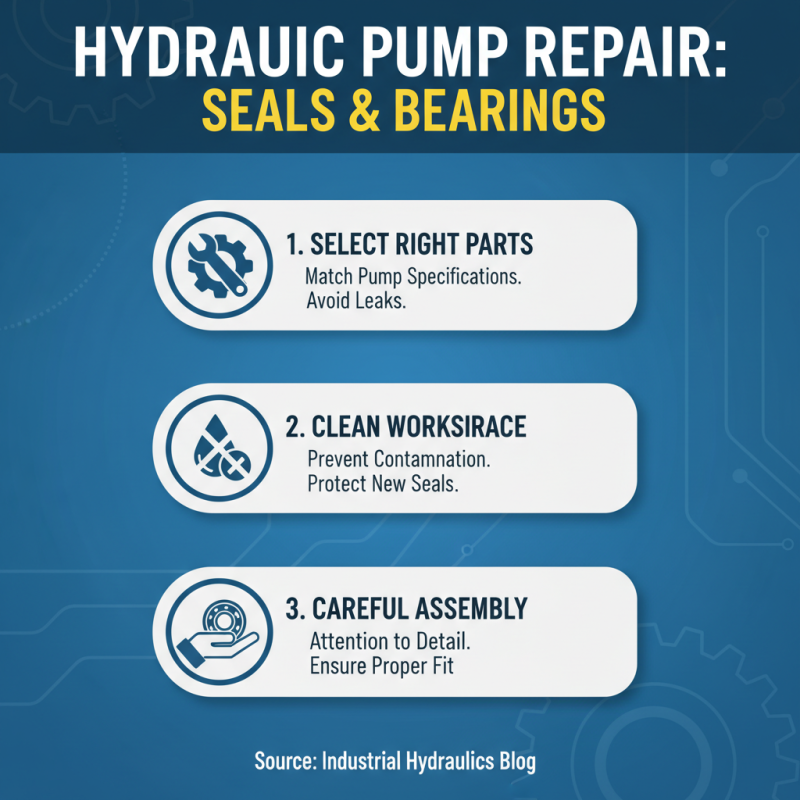
When replacing hydraulic pump seals and bearings, careful attention to detail is crucial. Always start by selecting the right replacement parts. Ensure that they match the specifications of your pump. Using incorrect sizes will lead to leaks and further damage. Prepare a clean workspace to avoid contamination during the repair process. Dust or debris can compromise the integrity of new seals.

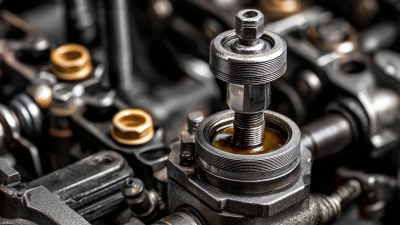
Remove old seals and bearings carefully. A seal puller can help avoid damage to the housing. Inspect the pump’s shaft for any wear. If there are scratches or grooves, it may require resurfacing. Clean the components thoroughly before installation. Applying a light coat of lubricating oil on the seals can ease installation. This simple tip can make a significant difference.

Once everything is in place, test the pump under controlled conditions. Monitor for any signs of leakage. If there is a problem, reassess the installation process. Be prepared to troubleshoot. This might include rechecking the alignment or the fit of the seals. Each step matters, and perfection is often elusive in hydraulic pump repair.

Preventive Maintenance to Extend Hydraulic Pump Lifespan

Essential Tips for Hydraulic Pump Repair You Need to Know?

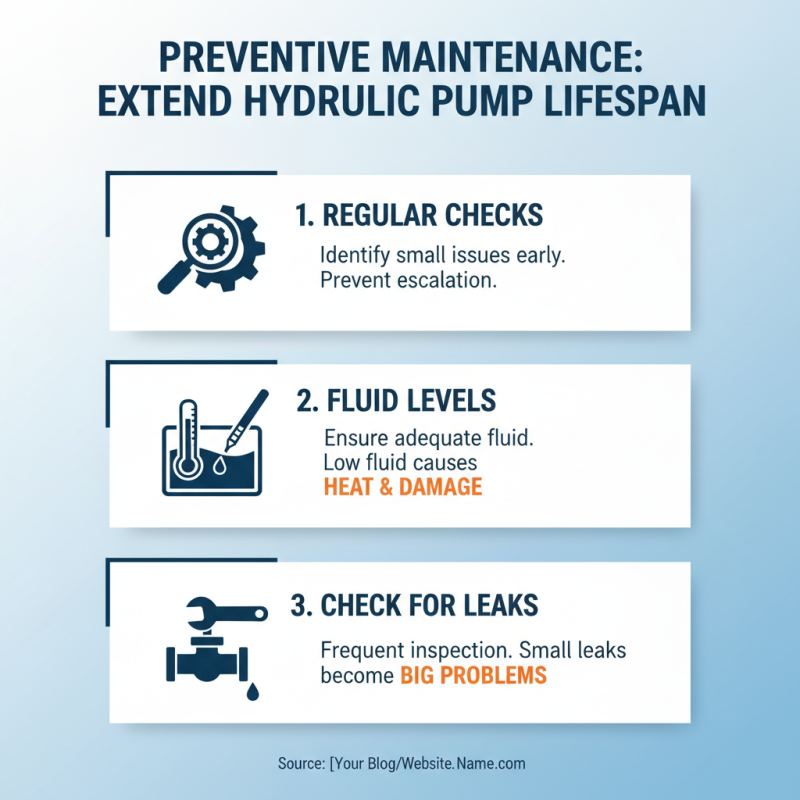
Preventive maintenance is crucial for extending the lifespan of hydraulic pumps. Regular checks can identify small issues before they escalate. Keeping an eye on fluid levels is essential. Low fluid can lead to excessive heat and damage to internal components. Check for leaks frequently. A small leak can quickly become a major problem.

Change the hydraulic fluid at recommended intervals. Old fluid can contain contaminants that harm the pump. Clean filters are also vital. Clogged filters impede fluid flow, causing strain on the pump. Monitor operating temperatures as well. Higher than normal temperatures usually indicate trouble brewing within the system.

Documentation of maintenance activities is another often overlooked practice. This helps track performance and any repeated issues. Operators may forget minor repairs, which can compound over time. Analyzing trends in the pump's mechanics may reveal underlying problems. Investing time in proper maintenance not only saves money in the long run but also enhances reliability.

Choose a global leader for your hydraulics solutions

How can we help you?

Call to 0034 943884600 Contact us
Call us Contact us

We use cookies to ensure that we give you the best experience on our website. If you continue without changing your settings, we'll assume that you agree to receive cookies on the HINE website. For more information read our cookie policy page, click the link for more information.plugin cookies

ACEPTAR
Aviso de cookies