Is Flexible UV Ink the Best Choice for Your Printing Needs?
In the ever-evolving world of printing, the choice of ink plays a crucial role in achieving high-quality results. Flexible UV ink has gained attention for its versatility and adaptability across various materials. According to Dr. Emily Hartman, an expert in printing technology, "Flexible UV Ink opens new avenues for creativity and efficiency." This statement highlights the innovative potential of this ink type.
Flexible UV ink can be used on a range of surfaces, from paper to plastics. Its quick-curing properties allow for faster production times, which appeals to many businesses. However, not every printing task may benefit from this option. The potential drawbacks, such as adhesion issues on certain substrates, raise questions about its universal applicability. This complexity underlines the need for careful consideration when selecting an ink type.
As the industry evolves, understanding the strengths and limitations of Flexible UV ink is vital. With various applications, from packaging to labels, it presents opportunities and challenges alike. Each choice must reflect not just creativity, but also practical considerations for specific projects.
Understanding Flexible UV Ink and Its Characteristics
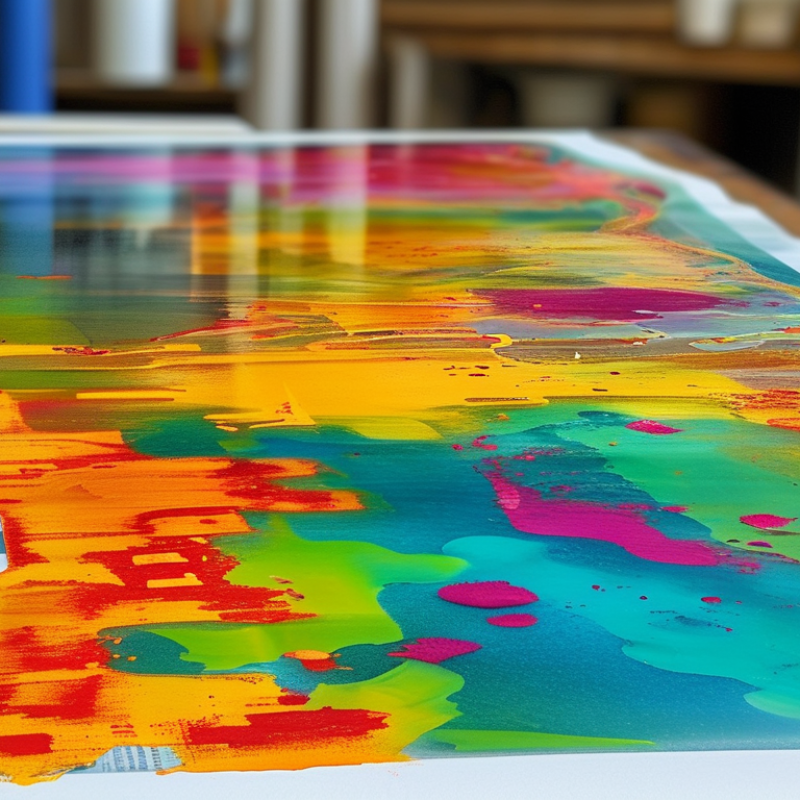
Flexible UV ink is becoming a popular choice for various printing applications. Its unique properties make it suitable for a range of substrates. Unlike traditional inks, flexible UV ink cures instantly under ultraviolet light, allowing for faster production times. This feature enhances efficiency. Furthermore, it adheres well to materials like plastics and metals.
When considering flexible UV ink, think about your specific needs. Different projects might require different characteristics. For example, are you printing on flexible or rigid surfaces? Flexibility in the ink is crucial for surfaces that need to bend without cracking.
Tip: Always test the ink on your chosen substrate before full production. This ensures compatibility and the desired finish. Good color reproduction and durability are essential. Do not skip this step. It can save you time and resources.
The cost can reflect quality. Sometimes, cheaper options may not provide the same level of performance. You might find that an initial investment in quality pays off over time. Look for reviews or case studies to support your choice. Being informed can lead to better results. Ultimately, understanding the characteristics of flexible UV ink helps make the best decision for your printing needs.
Advantages of Using Flexible UV Ink in Printing Processes
Flexible UV ink has gained significant traction in the printing industry due to its unique advantages. One of the standout benefits is its quick curing time. This allows for faster production times, which is crucial in meeting tight deadlines. Reports indicate that prints using flexible UV ink can dry in seconds, leading to increased efficiency in the workflow.
Additionally, flexibility is vital for certain applications. Flexible UV ink can adhere to various substrates, including plastics, textiles, and even curved surfaces. This versatility enables businesses to expand their offerings without worrying about compatibility issues. A survey showed that 78% of printing companies reported a broader range of products after switching to flexible UV ink.
However, it's essential to consider some drawbacks as well. While the flexibility and quick drying times are appealing, the initial setup costs can be higher compared to traditional inks. Some users also noted that achieving consistent quality requires careful calibration. These factors should be weighed against the potential benefits of improved production efficiency and product variety. The decision should align with specific printing needs and long-term goals.
Applications of Flexible UV Ink Across Various Industries
Flexible UV ink is becoming an essential choice in various industries. Its ability to bond smoothly to different substrates makes it increasingly popular. For packaging, flexible UV ink provides vibrant colors and excellent durability. This is crucial for brands aiming to stand out on store shelves.
In the automotive sector, flexible UV ink is often used for printing on labels and dashboards. This ink can withstand harsh environments, ensuring longevity. Moreover, the food industry utilizes flexible UV ink for packaging. Here, safety is vital, as inks must comply with regulations.
While the benefits are clear, not all prints may achieve the desired quality. Experimentation and testing are crucial steps. Certain materials may not yield the expected results. It's important to understand how flexible UV ink interacts with substrates.
Is Flexible UV Ink the Best Choice for Your Printing Needs? - Applications of Flexible UV Ink Across Various Industries
| Industry | Application | Advantages of Flexible UV Ink | Challenges |
| Packaging | Labels and Wrappers | High durability, vibrant colors | May require special substrates |
| Textiles | Prints on fabrics | Flexibility and wash resistance | Potential for fading over time |
| Automotive | Interior and exterior graphics | UV protection and weather resistance | Need for compatibility testing |
| Electronics | Printed circuit boards and casings | Excellent adhesion and durability | Potential toxicity during production |
| Signage | Billboards and banners | High visibility and quality | Can be sensitive to scratching |
Comparing Flexible UV Ink with Other Printing Inks
When comparing flexible UV ink with traditional printing inks, several factors come into play. Flexible UV ink is known for its ability to adhere to various substrates. This quality makes it versatile for many applications, from labels to packaging. Unlike solvent-based inks, flexible UV inks cure quickly under UV light. This rapid curing helps reduce production time, an important factor in today’s fast-paced market.
However, it’s essential to weigh the pros and cons. Flexible UV ink can offer vibrant colors and excellent durability. But it might not be suitable for all surfaces. Some substrates may not react well, leading to adhesion issues. Additionally, the initial investment for UV printing equipment can be higher. Companies must consider whether the benefits outweigh the costs for their specific needs.
Another aspect to reflect on is the environmental impact. While flexible UV inks produce less volatile organic compounds (VOCs), they still involve plastics in their formulation. The shift towards eco-friendly solutions is growing. As businesses explore their options, knowing the limitations of each ink type can lead to more informed choices. Curating the right ink requires understanding both the advantages and potential drawbacks.
Factors to Consider When Choosing Flexible UV Ink for Your Projects
When selecting flexible UV ink, several critical factors come into play. One of the most important aspects is the substrate. Different materials, such as plastic, metal, or paper, respond uniquely to UV ink. Understanding how the ink adheres to each substrate can impact the final product's quality. Additionally, the ink's flexibility is vital for projects that require bending or folding.
Another consideration is curing time. Some inks cure quickly, while others may need additional time. This variability can affect production schedules. If your project requires rapid turnaround, quicker-curing inks might be more suitable. Also, consider the ink’s resistance to scratching and chemicals. Durability is key, especially for items that will be handled frequently.
Finally, evaluate the color vibrancy and finishing capabilities. Not all flexible UV inks deliver vibrant colors or smooth finishes. Testing samples can provide insight into what will best meet your project's needs. Each choice bears reflection. Minor adjustments can lead to significant improvements in performance and aesthetics.