

Choosing a House Solar Power System is a practical decision, not simply a purchase of shiny panels. Your roof shape, sunlight exposure, electricity habits, and budget all affect the result. A south-facing roof may perform well, but nearby trees can reduce output during morning and afternoon hours. Even a small shadow can matter.
This guide explains how to compare system size, panel efficiency, inverters, batteries, warranties, and installation quality. It also considers your daily energy pattern. A family using air conditioning at night may value battery storage more than a household with daytime consumption. Review recent electricity bills, note seasonal changes, and identify appliances with high demand. Small details help.
Professional advice is valuable, but installers may recommend different designs. Ask how they calculated production, handled roof limitations, and estimated future maintenance. Check their experience, certifications, insurance, customer feedback, and written warranty terms. Product specifications should come from manufacturers or recognized testing organizations, not only sales brochures.
There is no perfect design. An online calculator can provide a useful starting point, yet its assumptions may not match your home. I have seen estimates change after shading, roof age, or cable distance was reviewed carefully. That is not necessarily a failure; it is a reason to ask better questions. The right House Solar Power System should balance performance, safety, durability, and realistic household needs. A lower price may look attractive today. Long-term value matters more.
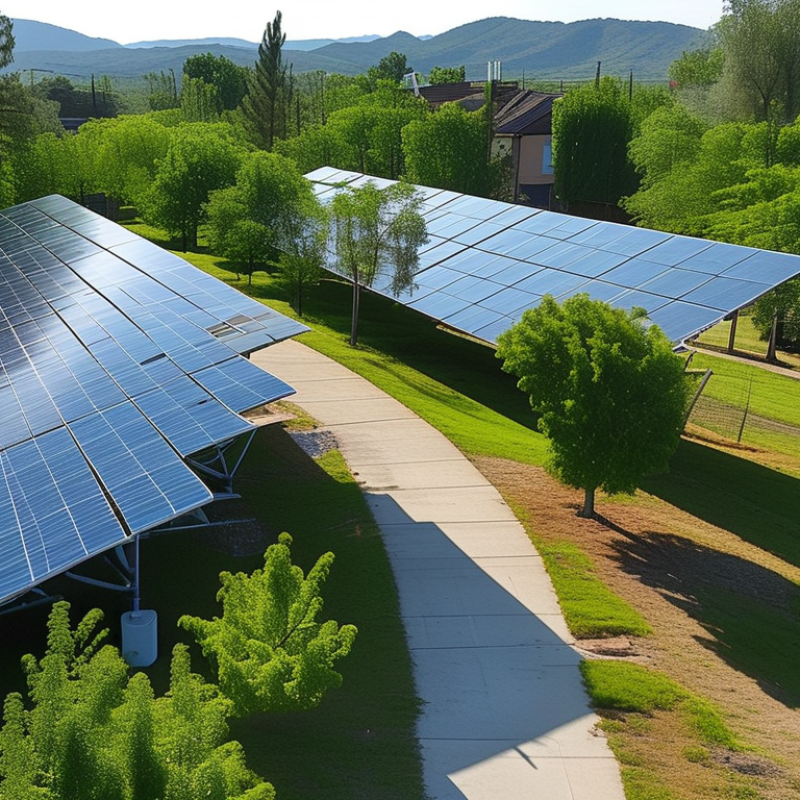
Defining your home’s solar energy needs starts with electricity use, not roof size. Review twelve months of utility bills and record each month’s kilowatt-hour consumption. Seasonal changes matter. Cooling may dominate summer bills, while heating can raise winter demand.
List major appliances and estimate their daily running time. Include refrigerators, water heaters, pumps, electric cooking equipment, and home offices. A high-power appliance can change the system size quickly. On a hot afternoon, several devices may operate together. That peak demand deserves attention.
Decide whether the system should cover average energy use or nearly all consumption. These goals require different panel capacities, inverter ratings, and budgets. Battery storage also depends on your priorities. Backup for essential lights and refrigeration needs less capacity than running the entire house overnight.
My first rough estimate would probably be too optimistic. People often forget future loads, such as an electric vehicle or heat pump. Write those plans down before requesting system designs. Roof direction, shading, usable roof area, and local sunlight levels then refine the calculation. A qualified solar professional should check these details and compare them with measured household data. Ask for clear assumptions, estimated annual production, and performance changes during cloudy months. Keep a small margin for aging equipment and unexpected consumption. Oversizing is not always wasteful, but it should have a reason.
A suitable solar system starts with a careful roof inspection. Check for cracked tiles, rusted metal, loose flashing, and water stains inside the attic. A roof near the end of its service life may need repairs before panel installation. This can prevent expensive removal work later. Also examine the roof’s direction and angle. In many regions, a sun-facing roof receives stronger energy throughout the day. However, roof design and local weather can change this result.
Observe shadows at different times. A chimney, tall tree, or nearby building may shade panels during important hours. Take photos at 9 a.m., noon, and 3 p.m. during several seasons. Winter shadows are often longer. An installer should use a solar assessment tool, recent weather data, and an on-site inspection. Simple estimates can miss cloudy periods or afternoon shade. Roof measurements should also include usable space, access paths, vents, and skylights. More panels do not always mean better performance.
How to Choose a House Solar Power System?
A grid-tied system suits homes with reliable utility service and limited battery needs. It usually costs less because it uses fewer components. A battery-based system stores daytime energy for evening use or outages. An off-grid system needs larger batteries, backup generation, and careful energy planning. Hybrid systems combine grid access, solar production, and battery storage. They offer flexibility but require higher upfront investment. Keep it practical. Review your electricity bills before comparing equipment.
Solar panels convert sunlight into direct current, while an inverter changes it into household alternating current. String inverters can be economical, but shade may reduce output from several panels. Microinverters manage panels separately and can perform better on complex roofs. Batteries differ in usable capacity, power rating, warranty terms, and installation location. Mounting rails, isolators, cables, monitoring equipment, and protection devices also affect safety and performance. A 5-kilowatt array may not supply 5 kilowatts continuously, especially during winter or cloudy afternoons.
A qualified installer should assess roof direction, shading, structural condition, and local electrical requirements. Ask for estimated annual production, battery cycling assumptions, maintenance needs, and realistic payback calculations. Independent inspection can reveal weak cable routing or poor ventilation around the inverter. No design is perfect. A cloudy week may expose an undersized battery. My own planning habit is to compare several load profiles, not just the highest monthly bill. Future appliances can change the result, so leave room for measured adjustments.
| Solar System Type | How It Works | Typical Battery Use | Backup During Grid Outages | Typical System Size for a House | Efficiency and Energy Availability | Typical Installed Cost Range | Best Suited For |
|---|---|---|---|---|---|---|---|
| Grid-Tied Solar System | Solar panels supply household loads first. Surplus electricity is exported to the utility grid, while electricity is imported when solar production is insufficient. | Usually not included. | Normally unavailable because standard grid-tied inverters shut down during an outage for utility-line safety. | Approximately 3–10 kW for many homes, depending on annual electricity consumption and available roof area. | High overall efficiency because there are no battery charging and discharging losses. Energy availability depends on the utility grid after sunset or during poor weather. | Approximately US$8,000–US$25,000 before incentives for a typical residential installation. | Homes with reliable grid service that want to reduce electricity bills and have a lower upfront cost. |
| Hybrid Solar System | Solar panels, a hybrid inverter, batteries, household loads, and the utility grid operate together. Solar energy can charge batteries or be exported to the grid. | Commonly includes approximately 5–20 kWh of usable storage for essential-load backup. | Available when the inverter, battery, backup panel, and electrical installation are correctly configured. | Approximately 5–15 kW of solar capacity, with battery capacity selected according to backup loads and desired backup duration. | High flexibility. Round-trip battery efficiency is commonly about 85%–95%, so some energy is lost during storage. | Approximately US$15,000–US$45,000 before incentives, depending mainly on battery size, electrical work, and backup requirements. | Homes that need backup power, want to increase solar self-consumption, and still have access to the utility grid. |
| Off-Grid Solar System | The solar array and battery bank supply the home independently of the utility grid. A generator may be added for extended periods of low solar production. | Essential. Battery storage is required to provide power after sunset and during cloudy periods. | Full-time backup is possible, but only if the system is correctly sized and energy use is managed. | Approximately 5–20 kW of solar capacity, with storage commonly sized from about 10–60 kWh or more. | Lowest energy availability margin unless the system has sufficient storage, a backup generator, or carefully managed loads. | Approximately US$25,000–US$70,000 or more, depending on storage, generator requirements, site access, and electrical loads. | Remote properties without practical grid access or locations where grid connection costs are unusually high. |
| Solar-plus-Generator System | Solar energy and batteries serve normal loads, while a fuel-powered generator starts when battery charge is low or demand is unusually high. | Usually included, often around 5–20 kWh of usable storage. | Yes. The generator extends backup duration during prolonged cloudy weather or unusually high demand. | Approximately 3–15 kW of solar capacity, depending on the generator, battery, and household load profile. | Good resilience, but fuel consumption, maintenance, and generator noise must be considered. | Approximately US$20,000–US$60,000 or more, excluding long-term fuel and maintenance costs. | Homes requiring extended backup capability in regions with frequent storms, snow, or seasonal low solar production. |
| Component | Main Function | Typical Residential Specification | Important Selection Factors | Typical Service Life |
|---|---|---|---|---|
| Solar Panels | Convert sunlight into direct-current electricity. | Approximately 350–500 W per panel; module efficiency commonly about 19%–23%. | Available roof area, orientation, shading, temperature coefficient, mechanical loading, warranty terms, and local climate. | About 25–35 years, with gradual power degradation over time. |
| Inverter | Converts direct-current electricity from the panels or battery into alternating-current electricity for household use. | Approximately 3–15 kW for many residential systems; peak efficiency commonly above 95%. | Continuous output, surge capability, number of maximum-power-point trackers, backup functionality, operating temperature, and monitoring features. | About 10–20 years, depending on design, environment, and maintenance. |
| Hybrid Inverter | Manages solar generation, battery charging, household loads, grid import, and grid export in one coordinated unit. | Commonly 5–15 kW for residential applications, with battery voltage and current limits defined by the system design. | Backup power rating, transfer time, generator compatibility, battery communication, grid-code compliance, and expansion capability. | About 10–15 years in many residential applications. |
| Battery Storage | Stores excess solar energy for nighttime use or backup power. | Approximately 5–30 kWh of nominal capacity for many homes; usable capacity is lower than nominal capacity. | Usable capacity, continuous power, peak power, round-trip efficiency, depth of discharge, thermal management, safety certification, and warranty conditions. | Typically 10–15 years or a specified number of charge cycles, depending on chemistry and usage. |
| Mounting Structure | Secures panels to a roof or ground-mounted frame. | Aluminum or galvanized-steel rails, brackets, clamps, and roof attachments designed for the site. | Roof material, wind and snow loads, corrosion resistance, roof age, drainage, tilt angle, and local building requirements. | Approximately 20–30 years when properly designed and installed. |
| Monitoring System | Records energy production, consumption, battery status, grid exchange, and system faults. | Web-based or mobile monitoring with daily, monthly, and historical energy data. | Data accuracy, alert functions, local access during internet outages, privacy, and compatibility with the inverter. | Usually replaced or updated with the communication hardware or inverter. |
| Protection and Disconnect Equipment | Provides overcurrent protection, isolation, grounding, surge protection, and safe maintenance access. | Includes circuit breakers, fuses, disconnects, grounding equipment, and surge protective devices as required by local codes. | Electrical ratings, outdoor enclosure rating, fault-current capacity, labeling, inspection requirements, and code compliance. | Often 15–30 years, with inspection and replacement based on condition. |
| Backup Load Panel | Separates essential circuits from nonessential circuits during a grid outage. | Commonly supplies refrigerators, lighting, internet equipment, security systems, pumps, and selected outlets. | Essential-load demand, motor starting currents, panel capacity, transfer equipment, and future load requirements. | Approximately 20–30 years when correctly installed and maintained. |
| Design Item | Recommended Calculation or Target | Example for a Typical Household |
|---|---|---|
| Annual Solar Array Size | Estimate using annual electricity consumption, local solar resource, system losses, roof orientation, and shading. A rough planning range is about 1,000–1,600 kWh of annual production per installed kW in many regions. | A 6 kW system might produce approximately 6,000–9,600 kWh per year, depending on location and installation conditions. |
| Battery Capacity | Size the battery according to essential-load energy use during the desired backup period, not total household consumption alone. | If essential loads use 5 kWh overnight and the design allows an 80% usable depth of discharge, approximately 6.25 kWh of nominal storage is required before additional design margin. |
| Inverter Capacity | Choose continuous output above the expected simultaneous load and check the starting surge of motors, pumps, refrigerators, and power tools. | A home with approximately 4 kW of simultaneous essential loads may need a larger inverter if motor-starting surges are significant. |
| Roof Area | Allow approximately 5–7 square meters of usable roof area per 1 kW of modern solar modules, plus access and setback requirements. | A 6 kW array may require roughly 30–42 square meters of suitable, minimally shaded roof area. |
| Backup Priority | Classify loads as essential, flexible, or nonessential before selecting battery and inverter capacity. | Essential loads may include refrigeration, lighting, communications, security, medical equipment, and selected water or heating pumps. |
Start with your real electricity use, not your roof size. Review twelve months of utility bills and find the average daily consumption. A home using 30 kilowatt-hours daily may need about an 8-kilowatt system. This estimate assumes 4.5 peak-sun hours and 20% system losses. Shade, dust, roof direction, and local weather can change the result. Check these conditions on-site.
Ask a qualified installer for an itemized quote. It should separate panels, inverter, mounting, wiring, labor, permits, and optional battery storage. Compare the total installed cost with expected yearly production. A battery can improve evening use, but it often increases the initial cost significantly. Do not assume backup power comes automatically. Confirm the equipment, critical circuits, and safety requirements in writing.
Estimate annual savings from your electricity tariff and export rate. For example, producing 9,000 kilowatt-hours yearly may save more when used at home than when exported. Divide the net system cost by annual savings to estimate payback. A $16,000 system saving $2,000 annually suggests an eight-year payback. That figure is only a model. Tariffs may change, panels slowly degrade, and household consumption can shift. I would also test a less optimistic case with lower production and higher maintenance costs. Leave room for repairs. A careful decision uses measured bills, local solar data, and at least two comparable quotes.
Choosing a home solar system begins with the roof, not the panel brochure. An installer should inspect roof age, structure, orientation, shading, and electrical capacity. NREL’s PVWatts guidance shows that weather and system losses affect production estimates. Ask for a loss breakdown, not only an attractive annual number. Leave room for uncertainty. Trees grow, clouds persist, and actual output may differ from the model. Replacing an aging roof first can prevent costly removal later. Permits, utility interconnection rules, and emergency-access requirements must also be checked locally.
Incentives can change the purchase decision, but eligibility is rarely automatic. In the United States, the Department of Energy describes a 30% federal residential clean-energy tax credit for qualifying systems under current rules. Local incentives vary widely. Confirm ownership, installation dates, storage eligibility, and required records with an official agency or qualified tax professional. A low advertised price may exclude permitting, trenching, electrical upgrades, or batteries. Compare total installed cost and estimated payback. Payback is not guaranteed.
Maintenance is modest, not nonexistent. The IEA Photovoltaic Power Systems Programme reported more than 400 gigawatts of solar capacity added worldwide in 2023. That growth increases the need for dependable servicing. Inspect modules, wiring, roof penetrations, and monitoring alerts at least annually. Remove heavy debris safely. Dust losses are site-specific, so frequent washing may waste water and money. Ask for measured production data after the first year. Budget for inverter replacement, too. Its service life may be shorter than the panels. Maintenance plans look precise. Real roofs are not.
Review installation requirements, incentives, and maintenance through estimated annual energy production.
Check roof orientation, shading, structural condition, available roof area, electrical-panel capacity, and local permitting rules before selecting a system size.
In the United States, eligible residential systems generally qualify for a 30% federal clean energy tax credit for installations placed in service from 2022 through 2032, subject to applicable tax rules. Local incentives vary.
Solar panels typically require limited maintenance. Keep modules clear of heavy dirt, leaves, and snow, inspect wiring periodically, and monitor production for unexpected drops.
Planning assumption: 1,200 kWh of annual production per installed kW, a commonly used U.S. screening estimate. Actual output varies with location, roof orientation, tilt, shading, equipment, and weather.
How can we help you?
Call to 0034 943884600 Contact usWe use cookies to ensure that we give you the best experience on our website. If you continue without changing your settings, we'll assume that you agree to receive cookies on the HINE website. For more information read our cookie policy page, click the link for more information.plugin cookies
ACEPTAR