
Why is a hydraulic system essential for industrial machinery?

A hydraulic system is fundamental in modern industrial machinery. It provides efficient power transmission through fluid mechanics. According to a 2022 report by the International Fluid Power Society, hydraulic systems account for over 30% of energy usage in industrial applications. This statistic highlights the system's integral role in enhancing productivity and efficiency.

Expert Lee Henderson, a well-known hydraulic engineer, emphasized, "Without hydraulic systems, many industrial processes would simply be impractical." His perspective sheds light on the importance of these systems in optimizing operations. Industries such as construction, manufacturing, and aerospace rely heavily on hydraulic systems for their versatility and reliability.

However, the dependence on hydraulic systems raises questions. Equipment failure can lead to significant downtime and financial loss. According to a 2021 study by the Hydraulic Institute, unplanned maintenance accounts for nearly 20% of operational costs. This issue invites reflection on how industries can improve their reliance on hydraulic technology while minimizing risks.
Why is a hydraulic system essential for industrial machinery?

The Role of Hydraulic Systems in Enhancing Industrial Machinery Performance

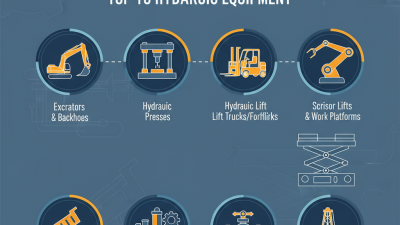
Hydraulic systems play a crucial role in enhancing the performance of industrial machinery. They offer the efficiency and power needed for various applications. These systems use pressurized fluid to transmit force, allowing machinery to perform tasks that would be difficult otherwise. For instance, cranes, excavators, and presses rely heavily on hydraulics for smooth operation. This power translates into precise control over heavy loads, making production processes more efficient.

The versatility of hydraulic systems cannot be overstated. They can operate in tough environments, tolerating dirt and extreme temperatures. In manufacturing, hydraulic machines are often faster and stronger than their mechanical counterparts. However, they also require regular maintenance. Neglecting fluid levels or ignoring leaks can lead to significant downtime. Recognizing these aspects is essential. It is important for operators to be vigilant, as even minor issues can derail operations.

Understanding the role of hydraulics in machinery is key for any industrial player. Their ability to enhance performance is clear. Yet, awareness of their limitations is equally important. This balance can lead to improved efficiency and reduced operational costs. Each system should be assessed regularly to ensure optimal performance. While hydraulics are powerful tools, they require a thoughtful approach to maintenance and operation.

Key Components of Hydraulic Systems: Understanding Pumps, Valves, and Cylinders

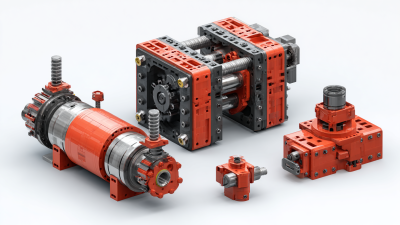
Hydraulic systems are vital in industrial machinery, primarily due to their key components: pumps, valves, and cylinders. These elements work together to convert mechanical energy into hydraulic energy. According to the International Fluid Power Society, hydraulic systems can be up to 90% efficient. This efficiency helps manufacturers optimize operations and reduce energy costs.

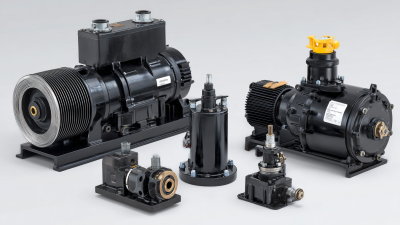
Pumps serve as the heart of hydraulic systems, generating the necessary pressure to operate machinery. They come in various types, such as gear, vane, and piston pumps, each suited for specific applications. For example, gear pumps are ideal for high-flow scenarios, while piston pumps excel in high-pressure environments. Despite their reliability, a study by the Fluid Power Research Council highlighted that improper maintenance can lead to decreased performance and increased equipment failure.

Valves control the flow of hydraulic fluid, ensuring the machinery operates smoothly. Various types of valves exist, including directional control, pressure relief, and flow control valves. Understanding their functions and selecting the right type is crucial. A miscalculation in valve selection can cause unsafe conditions or inefficient operation, as noted in a report by the National Fluid Power Association. Cylinders convert hydraulic pressure into linear motion, driving machinery components. Regular maintenance and correct positioning are necessary to maximize cylinder lifespan and performance.

Efficiency Metrics: How Hydraulics Improve Power-to-Weight Ratios in Machinery

Hydraulic systems are crucial for enhancing the power-to-weight ratios in industrial machinery. According to the International Fluid Power Society, hydraulic systems can achieve efficiency rates of up to 90%. This efficiency allows machinery to perform heavy tasks with a relatively low weight footprint.

Tip: Regular maintenance of hydraulic components ensures optimal performance. Even minor leaks can lead to significant power losses.

Efficiency in hydraulics is largely attributed to their ability to generate high force in compact sizes. This is particularly beneficial in applications such as excavators or forklifts, where powerful lifting is required. The Society of Automotive Engineers notes that hydraulic machines can lift loads five times their own weight, illustrating their formidable efficiency.

Tip: Monitor hydraulic oil quality. Poor oil conditions can reduce efficiency and increase wear on components.

However, hydraulic systems are not without their drawbacks. They can exhibit inefficiencies in energy conversion when dealing with cavitation or excess heat. Regular assessments of system performance can help identify these issues. Recognizing these inefficiencies is vital for maintaining a balance between power and weight.

Safety and Reliability: The Impact of Hydraulics on Industrial Operations

Hydraulic systems play a critical role in industrial machinery. They offer precise control and immense power, essential for heavy lifting and intensive manufacturing processes. This complexity can lead to failures if not managed properly. Regular maintenance is key to reliability.

Safety is a paramount concern when dealing with hydraulics. Leaks or pressure failures can cause accidents, leading to injuries. Proper training for operators is vital. They must understand system guidelines and emergency procedures. Ineffective training can lead to a lack of awareness and increased risk.

Reliability in hydraulics is built on routine checks and adherence to safety protocols. Equipment must be regularly inspected and serviced. Though technology enhances these systems, human oversight is still crucial. Automation cannot replace the need for experienced operators who can identify potential failures before they occur.

Future Trends: Innovations in Hydraulic Technology for Industrial Applications

Hydraulic technology is evolving rapidly, presenting exciting opportunities for industrial applications. Innovations in hydraulic systems focus on efficiency and performance. Advanced materials and design approaches are making hydraulic components lighter and stronger. This shift can lead to reduced energy consumption and improved sustainability in manufacturing processes.

The integration of IoT into hydraulic systems is noteworthy. Sensors are now used to monitor performance and predict maintenance needs. This not only minimizes downtime but also enhances reliability. However, data security remains a concern with these advancements. Companies must consider the implications of connected systems to protect sensitive information.

Moreover, the exploration of environmentally friendly fluids is gaining traction. Biodegradable hydraulic fluids offer a potential solution to pollution and environmental impacts. Still, the challenge lies in ensuring these new fluids meet performance standards. As industries transition to these innovations, they must also address gaps in knowledge and training. Maintaining expertise in traditional hydraulic systems while adapting to new technologies will be crucial for future success.

Hydraulic System Innovations in Industrial Applications

Choose a global leader for your hydraulics solutions

How can we help you?

Call to 0034 943884600 Contact us
Call us Contact us

We use cookies to ensure that we give you the best experience on our website. If you continue without changing your settings, we'll assume that you agree to receive cookies on the HINE website. For more information read our cookie policy page, click the link for more information.plugin cookies

ACEPTAR
Aviso de cookies