Why is Metallic Pigment Essential for Modern Art and Design?
Metallic Pigment has transformed the landscape of modern art and design. Renowned expert Dr. Sarah Jennings once stated, "Metallic pigments amplify creativity and vibrancy." This transformative quality is essential for artists seeking depth. The reflective nature of these pigments captivates the viewer’s eye.
Artists are not just applying color; they are creating emotional experiences. Metallic Pigment adds a layer of complexity to works, shining in light and shadow. However, the challenge lies in mastering its application. Not every artist can exploit its full potential. Some struggle to balance metallic elements with traditional techniques.
The rich, luxurious finish of Metallic Pigment evokes feelings of sophistication. Yet, the overuse can lead to a gaudy appearance. Balancing metallics with other elements requires skill and restraint. Reflection and depth are key, but harmony remains a challenge. The world of design must navigate these nuances for truly impactful work.
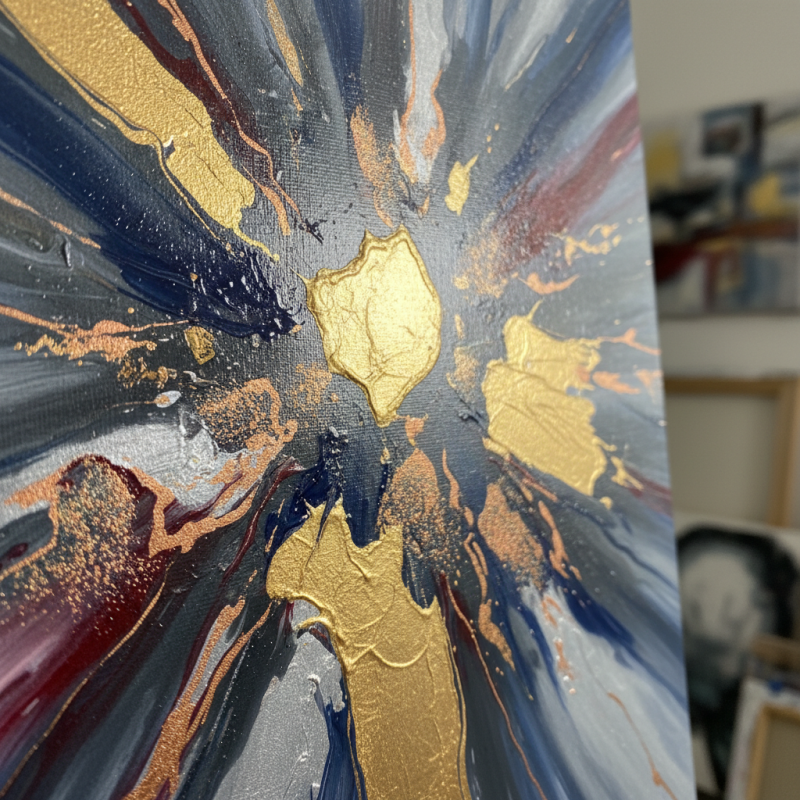
The Definition and Composition of Metallic Pigments
Metallic pigments are vital in modern art and design. They bring a unique depth and shimmer to various materials. By definition, metallic pigments consist of small metallic flakes. Common materials include aluminum, bronze, and copper. These metals create a reflective surface that enhances visual appeal.
According to a report by the Coatings and Pigments Association, the global metallic pigments market was valued at over $1.2 billion in 2021. This market is expected to expand due to increasing demand in industries like automotive and construction. Specific applications utilize metallic pigments in paints and coatings, providing additional aesthetic quality and functionality. However, not all pigments are created equal. Some may have stability issues or environmental concerns.
The composition of metallic pigments plays a crucial role in their effectiveness. Factors like particle size and shape affect how light interacts with the surface. Many artists and designers find it challenging to select the right pigments. Often, they face difficulties in balancing cost and performance. Striking the right balance is essential for high-quality results.
Historical Significance of Metallic Pigments in Art and Design
Metallic pigments have a rich history in the realms of art and design. They can be traced back to ancient civilizations. Egyptians used gold and silver to elevate their artwork. This practice symbolized wealth and power. Similarly, in the Renaissance, metallic pigments became staples in paintings. Artists employed them to create vibrant highlights. This technique added depth to their works.
According to a report by the International Society for Metal Finishing, the use of metallic pigments in modern applications has surged by 25% in the last decade. This growth is significant, as it reveals a strong demand for these materials in various industries. From cosmetics to automotive paint, metallic pigments enhance visual appeal. Their reflective properties attract attention and evoke emotion.
Tips: When selecting metallic pigments, consider the application. Different mediums require specific formulations. Always test the pigment before full application. Explore blending techniques to create unique effects. Experimentation can lead to unexpected and intriguing results. Remember, embracing imperfection is part of the creative process.
The Role of Metallic Pigments in Modern Art Techniques
Metallic pigments have transformed modern art techniques. Their unique properties enhance color vibrancy. Artists now embrace these pigments for their reflective qualities, allowing artwork to shift with light. It creates a dynamic experience for viewers.
Incorporating metallic pigments is not always straightforward. Artists must experiment with ratios and application methods. Some find the results unpredictable. The interplay of light and material can yield unexpected effects. This element of chance sparks creativity and encourages artists to rethink their approaches.
Moreover, metallic pigments can evoke emotion. They add depth and texture to a piece. A subtle shimmer can convey luxury or turmoil. Artists often struggle to balance these effects. Understanding the medium’s nature is key. Each artwork tells a story, influenced by its materials.
Applications of Metallic Pigments Across Various Design Disciplines
Metallic pigments are becoming vital in various design disciplines. In graphic design, they add depth and elegance to prints. Designers often view them as a tool for enhancing visual impact. These pigments create striking contrasts against traditional color palettes. They catch light beautifully, making prints more engaging.
In interior design, metallics transform spaces. Imagine a living room with metallic accents. A copper vase on a wooden table. Or gold leaf on a feature wall. Such details elevate the ambiance. However, balance is key. Too much shine can overwhelm the senses.
Tips: Always test metallics in small areas first. Observe how they interact with light. Consider their longevity in the design. Each application can alter the mood. Reflect on how metallics resonate with your overall vision.
Application of Metallic Pigments in Modern Art and Design
Future Trends and Innovations in Metallic Pigment Usage
As the art world continues to evolve, metallic pigments are gaining significance. They provide a unique sheen and depth that can transform ordinary pieces into extraordinary ones. Artists are experimenting with these pigments in various forms, from painting to sculpture. The shimmer of metallic paint can evoke emotions and highlight key features of a work.
Future trends indicate that the demand for eco-friendly metallic pigments will rise. Artists are more conscious of sustainability. This shift could lead to innovations in production methods. Artists might seek natural sources or develop synthetic alternatives with less environmental impact. As advancements in technology occur, we may see more versatile applications. For instance, 3D printing with metallic pigments is an exciting frontier.
However, the road ahead won’t be easy. Balance between sheen and durability needs careful consideration. Some metallic pigments can fade over time or lose their vibrancy. Additionally, perfecting the mixing process can be tricky. Artists often find themselves experimenting and reflecting on their choices. They'll need to navigate these challenges to fully embrace the potential of metallic pigments in their creative journeys.
Why is Metallic Pigment Essential for Modern Art and Design? - Future Trends and Innovations in Metallic Pigment Usage
| Application Area | Current Usage (% of Market) | Future Trends | Innovative Techniques |
| Fine Arts | 30% | Increased integration with digital mediums | 3D printing with metallic inks |
| Industrial Design | 25% | Sustainable metallic coatings | Laser engraving on metallic surfaces |
| Fashion | 20% | Metallic textiles and smart fabrics | Electroluminescent pigments |
| Graphic Design | 15% | Custom metallic finishes for branding | Specialty printing techniques |
| Automotive Design | 10% | Enhanced aesthetic appeal and durability | Color-shifting metallic pigments |