

When embarking on a new engineering project, selecting the right components is crucial. One key component that often stands out is the Splined Motor Shaft. Its unique design offers distinct advantages that can significantly enhance performance and reliability. Understanding these benefits is essential for anyone involved in mechanical design or automation projects.
A Splined Motor Shaft provides improved torque transmission and reduces slippage. This is important in applications demanding precision and efficiency. The splines create a lock between the shaft and the motor, allowing for better power transfer. However, this component is not without its challenges. The installation must be precise to prevent misalignment, which can lead to performance issues.
Moreover, while the Splined Motor Shaft offers outstanding capabilities, its selection requires careful consideration. Factors such as load requirements and space constraints must be evaluated. It’s essential to weigh the advantages against potential drawbacks. This reflective approach ensures the Splined Motor Shaft meets your project's specific needs. Ultimately, making informed decisions can lead to a successful outcome in any mechanical endeavor.
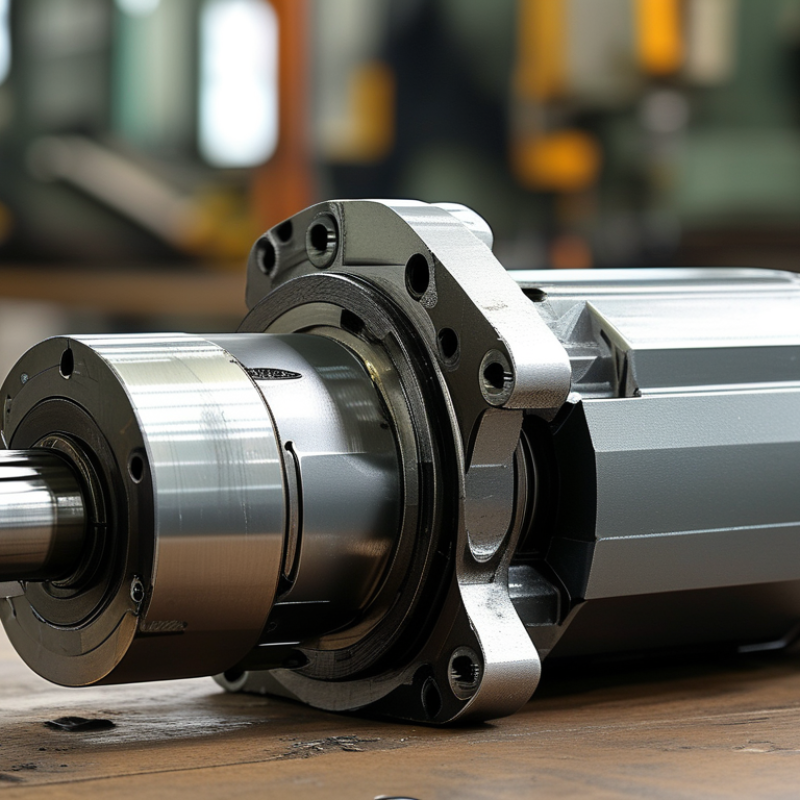
When choosing components for mechanical design, splined motor shafts stand out for their unique advantages. These shafts provide a secure, non-slip connection between the motor and the load. According to a recent report by the International Association of Engineers, the use of splined shafts can enhance torque transfer efficiency by up to 30%. This improvement can result in lower energy consumption and reduced wear on components, making them an attractive choice for engineers.
In addition to increased efficiency, splined motor shafts offer greater adaptability in design. They can accommodate variations in alignment and are suitable for heavy-duty applications. Research indicates that systems with splined connections experience 15% fewer maintenance issues compared to traditional keyed shafts. This can lead to significant savings in downtime and repair costs.
However, it is essential to reflect on the manufacturing complexity. Creating splined shafts requires precise machining. This process can increase initial costs. For small-scale projects, the benefits might not outweigh the investment. Careful consideration of the project's scale and requirements is crucial for informed decision-making.
| Advantage | Description | Applications |
|---|---|---|
| Enhanced Torque Transmission | Splines allow for greater surface area for friction, improving torque transfer efficiency. | Automotive drivetrains, industrial machinery |
| Reduced Wear | Even distribution of stress helps to minimize wear on the shaft and mating components. | Robotics, aerospace applications |
| Alignment | Splined shafts can maintain better alignment between coupled components, reducing misalignment issues. | Machine tools, conveyors |
| Versatility | Available in various dimensions and designs to suit different applications. | Energy sector, medical devices |
| Manufacturing Efficiency | Enables faster assembly and disassembly, facilitating maintenance and repairs. | Furniture, consumer electronics |
Splined motor shafts play a crucial role in mechanical systems. They consist of grooves or splines that facilitate better torque transfer between components. This design minimizes slippage, enhancing overall performance. Understanding how these shafts function is vital for selecting the right components for any project.
When choosing a splined motor shaft, consider the application. Different projects may require specific spline profiles or sizes. Matching the shaft to the motor’s specifications ensures compatibility. Remember to evaluate the material as well; using the wrong type can lead to premature wear.
Here are some tips: Check the spline fit before assembly. An incorrect fit can cause inefficiency. Also, consider lubrication; it can significantly affect the longevity of the shaft. Some people underestimate this factor. Regular maintenance is essential for optimal performance. A well-maintained splined shaft will function correctly, but neglecting care can lead to potential issues.
Splined motor shafts are essential in many industries due to their unique design. They provide improved torque transfer and resistance to misalignment. This functionality is vital in applications like automotive, robotics, and industrial machinery. Research indicates that nearly 30% of machinery failures are due to poor shaft design. Thus, using splined shafts can significantly enhance reliability.
In the automotive sector, splined shafts are commonly found in powertrains. They connect components such as driveshafts and transmissions. These parts must withstand varying loads. A splined design allows for effective torque transmission while accommodating slight misalignments. Data from industry reports show that using splined shafts can increase efficiency by up to 15%.
Robotics is another field benefiting from splined shafts. Precision is critical in robotic arms and automated systems. The ability to handle dynamic loads makes splined shafts an attractive choice. Some studies highlight that splined connections can reduce wear and prolong operational life by 20%. However, engineers must ensure quality in the design and material selection to avoid potential failures over time.
When considering a splined motor shaft for your project, several crucial factors come into play. First, the material of the motor shaft significantly impacts performance and durability. Common materials include steel, aluminum, and plastic. Each has unique properties that can affect strength, weight, and resistance to wear. For heavy-duty applications, optimizing for materials that can withstand high torque is vital.
Next, the size and geometry of the splines matter. Different designs may offer variable levels of grip and rotational efficiency. Selecting the appropriate spline profile ensures better engagement with the mating component. A mismatch could lead to slippage or failure, creating potential safety issues. Proper engineering can mitigate the risk, but revisiting your design is an essential practice.
Additionally, it’s key to consider manufacturing tolerances. Poorly defined tolerances can lead to assembly difficulties. Precision in the spline dimensions ensures a smooth interface between parts. It also helps maintain performance over time. Reflecting on potential weaknesses in your current design can yield insights on how to enhance overall reliability. Every detail matters, and room for improvement should always be acknowledged.
This chart illustrates the torque handling capacity of various motor shaft types. As evident, splined shafts offer superior torque handling compared to solid, hollow, and keyed shafts. This makes splined shafts an ideal choice for applications requiring robust performance.
When using splined motor shafts, regular maintenance is key to ensuring optimal performance. Poor maintenance can lead to efficiency loss and increased operational costs. Research indicates that a well-maintained splined shaft can enhance torque transmission by up to 20%. Understanding the essential maintenance tips is crucial for project success.
One effective tip is to regularly inspect the splines for wear. Noticing small signs of wear can prevent bigger issues. Using a calibrated micrometer can help gauge spline damage. Another important aspect is lubrication. Proper lubrication reduces friction and prevents premature wear. A study found that inadequately lubricated systems can experience a 30% increase in failure rates.
Set a maintenance schedule. Routine checks should be part of your project timeline. Documenting all maintenance activities ensures accountability. Ignoring maintenance can lead to unexpected downtimes and costly replacements. Regularly monitoring performance leads to longer lifespan and better reliability. Implement these tips to keep your splined shafts performing well under varying conditions.
How can we help you?
Call to 0034 943884600 Contact usWe use cookies to ensure that we give you the best experience on our website. If you continue without changing your settings, we'll assume that you agree to receive cookies on the HINE website. For more information read our cookie policy page, click the link for more information.plugin cookies
ACEPTAR