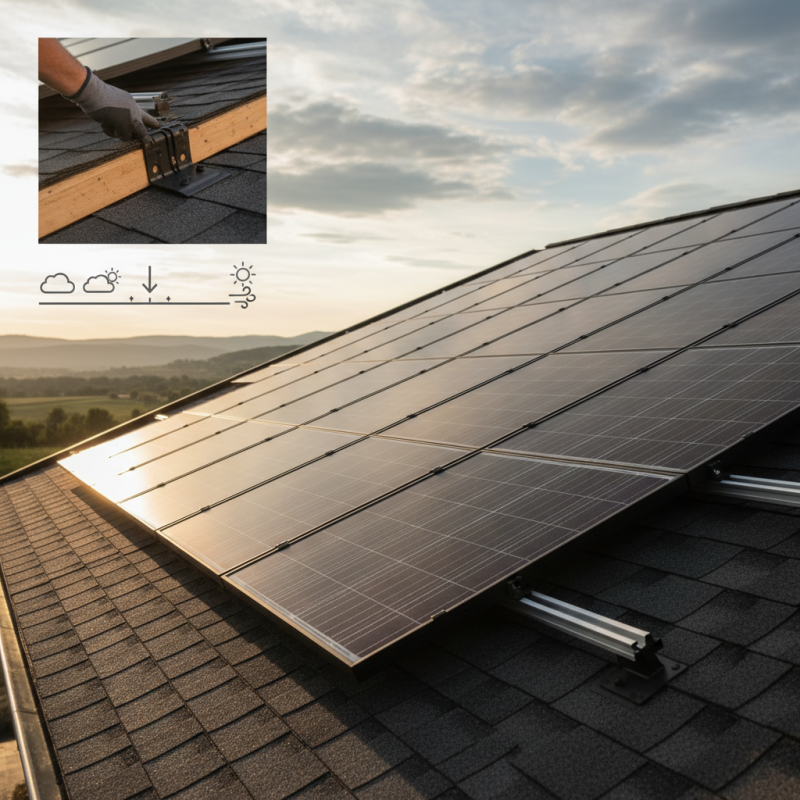
Top Tips for Choosing the Best Solar Panel Roof Mounts?
Choosing the right solar panel roof mount is crucial for maximizing energy efficiency. Expert Tom Reynolds, a leader in solar technology, once said, “The right mount can make or break your solar system.” His insights highlight the importance of selecting the best mounting solution. It aligns with both safety and performance in solar energy systems.
A solar panel roof mount needs careful consideration. Factors such as your roof type, angle, and local weather conditions can influence your choice. Each mounting system has its unique benefits and downsides. Understanding these nuances can lead to better decisions.
The landscape of solar panel roof mounts is diverse and occasionally overwhelming. Finding a reliable mount that suits your needs takes time and research. Users often overlook their specific roof characteristics, which can lead to problems down the line. It's essential to balance cost, durability, and installation ease.
Understanding Solar Panel Roof Mount Types and Their Benefits
When selecting roof mounts for solar panels, understanding the different types is crucial. There are three primary types: fixed mounts, adjustable mounts, and tracking mounts. Each serves a unique purpose. Fixed mounts hold panels at a set angle. This design works well in areas with consistent sunlight. Adjustable mounts allow for angle changes, optimizing energy capture throughout seasons. Tracking mounts are sophisticated as they follow the sun's trajectory, maximizing exposure. However, they can be more complex to install and maintain.
Research shows that fixed mounts can contribute to energy efficiency. A report from the National Renewable Energy Laboratory notes that using fixed mounts can increase solar energy production by up to 20%. Adjustable mounts, on the other hand, can enhance efficiency if adjusted properly, but improper adjustments can lead to decreased performance. Meanwhile, tracking mounts can boost energy capture by 25-40%, but their mechanics can complicate installation.
Choosing the right mount involves weighing efficiency against cost and maintenance. Some prefer simple fixed mounts, while others invest in tracking systems for extra output. However, complex systems may need more repairs. Understanding your climate and installation capabilities is essential. A clear picture of benefits and drawbacks can help homeowners make informed decisions.
Key Factors to Consider When Selecting Roof Mounts for Solar Panels
When selecting roof mounts for solar panels, several key factors come into play. Stability is crucial. Mounts must withstand different weather conditions. A 2022 industry report indicated that over 60% of solar panel failures are linked to inadequate mounting systems. Robust materials, such as aluminum or stainless steel, can enhance durability.
Installation ease is another factor. Complicated mount systems can lead to errors during setup. A survey revealed that 75% of installers prefer mounts that require fewer tools and steps. This reduces labor costs and installation time. Consideration for roof type is also vital. Not all mounts fit every roof style. Understanding your roof's angle and material impacts solar efficiency.
Lastly, the alignment of solar panels is important for maximum sunlight exposure. Proper tilt angles can significantly improve energy production. According to data from the National Renewable Energy Laboratory, an angle optimized for local latitude can increase power output by 20%. Not every solution is perfect. Each roof presents unique challenges. Careful evaluation ensures that solar panel performance meets the expected standards.
Evaluating Roof Compatibility for Optimal Solar Panel Installation
When choosing solar panel roof mounts, evaluating roof compatibility is crucial. A well-suited roof allows for better energy capture and efficient installation. Consider the pitch and orientation of your roof. South-facing roofs usually receive the most sunlight. Flat roofs might require different mounting options. It's important to analyze your specific situation.
Tips include assessing your roof's structural integrity. An aging roof might not support the extra weight. Hiring a professional for this assessment adds credibility. Additionally, check for shading from trees or surrounding buildings. Even partial shading can drastically affect solar panel performance.
Inspect your local building codes. Different regions have varying regulations regarding roof installations. This can limit your choices or influence your decision. Ensuring adherence to these laws will save you trouble later. Engage with local experts to navigate these requirements effectively. Each roof presents unique challenges and opportunities.
Top Tips for Choosing the Best Solar Panel Roof Mounts
This bar chart illustrates the compatibility ratings of various roof types for solar panel mounts. It highlights that metal roofs generally offer the highest compatibility, while tile roofs may present more challenges for installation.
Comparing Fixed vs. Adjustable Mounts for Solar Energy Efficiency
When considering solar panel roof mounts, the choice between fixed and adjustable options is crucial. Fixed mounts are generally simpler and more cost-effective. They require less installation time and are often more durable. However, they limit flexibility. Fixed mounts optimize solar energy capture in specific geographic locations. Their efficiency can decrease if the sun’s angle changes significantly.
Adjustable mounts offer flexibility that fixed options lack. These can be tilted and positioned according to the sunlight's path. Users can maximize energy absorption throughout the year. However, adjustable mounts may require more maintenance. They often have moving parts that need regular checks. Additionally, the installation costs can be higher.
Consider your location and needs carefully before deciding. A well-angled fixed mount might work in sunny areas. On the other hand, adjustable mounts may be essential in regions with fluctuating sunlight conditions. The decision should reflect both immediate benefits and long-term reliability. Think about the potential trade-offs in efficiency, cost, and maintenance for a successful solar installation.
Cost Considerations and Long-Term Savings with Solar Roof Mounts
Choosing the right solar panel roof mounts involves cost considerations that can impact your wallet for years. Initially, higher quality mounts may seem expensive but can save money over time. Durable mounts reduce the need for replacements and repairs. This long-term view is essential when budgeting for solar energy.
When evaluating costs, think about installation fees and long-term savings. Quality mounts can extend your solar panel's lifespan, leading to lower maintenance costs. Compare different options, but don’t always chase the lowest price. Sometimes, spending more upfront pays off later.
Here are some tips: ensure mounts are compatible with your roofing type. Research materials; aluminum and stainless steel are ideal choices for longevity. Read reviews and consult experts. Understanding warranty terms can also guide your decision. Always question if the chosen mount aligns with your energy goals.