

Choosing a supplier for Dog Bone Lifting Anchors is a practical decision, not just a price comparison. These components help lift precast concrete elements, so buyers should check rated capacity, material specifications, dimensions, and installation guidance. Small details matter. A clear product drawing can help confirm that an anchor suits a panel’s thickness, lifting direction, and reinforcement layout. Ask for relevant test documentation and traceability records, and verify that the supplier’s stated limits match your project requirements.
This guide introduces ten suppliers for global buyers to compare. It considers product range, technical support, manufacturing information, and accessibility for international orders. The term Dog Done Lifting Anchors may appear in search results or supplier wording, but product names can vary. Confirm the exact anchor type before requesting a quotation. A low unit price is not the whole story. Lead times, packaging, communication, and the availability of technical documents can also affect a purchase. No supplier is ideal for every project, and a polished catalog alone proves little. Treat this list as a starting point, not a certification or substitute for engineering review. Compare the details carefully, and ask questions when specifications are unclear. That step is easy to skip. It should not be.
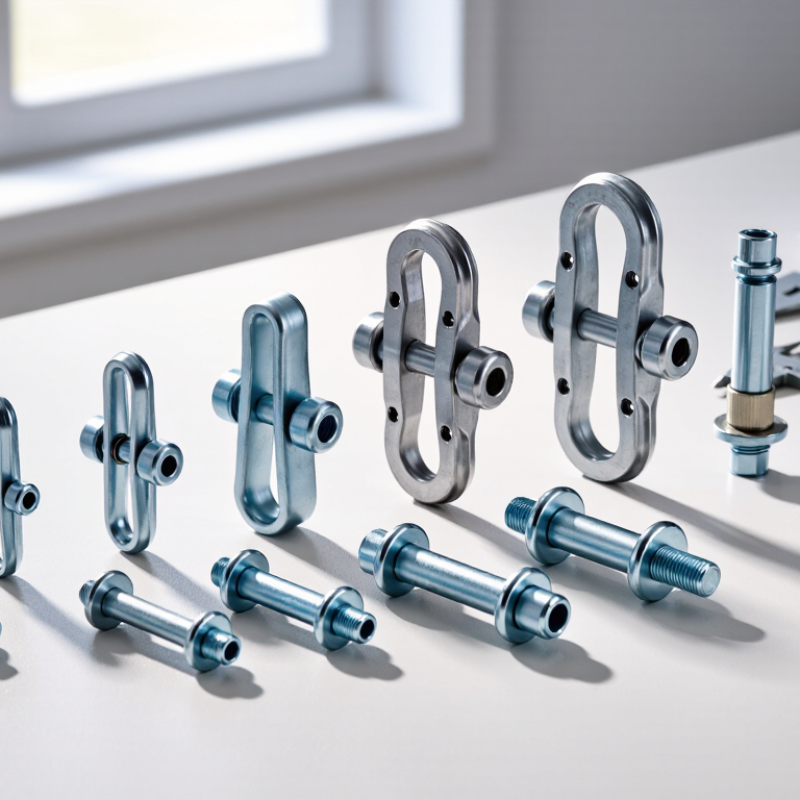
Dog bone lifting anchors are cast into precast concrete elements to create a secure connection for handling. Their widened ends help transfer lifting forces into the surrounding concrete, while the exposed end connects to a compatible lifting clutch. The shape is simple. The engineering is not. Anchor size, embedment, concrete strength, reinforcement, edge distance, and lifting angle all affect performance. A capacity figure alone cannot confirm that an installation is suitable.
These anchors are commonly used in wall panels, beams, stairs, and other factory-made concrete components. During lifting, crews should check that the clutch engages fully and that the load follows the planned direction. Concrete must also reach the specified strength before handling. Small details matter: a damaged recess, misplaced reinforcement, or an unexpected tilt can change how forces travel through the element. Site conditions are rarely perfect. That deserves more attention than it often gets.
For global buyers, clear technical documentation is as important as consistent dimensions. Confirm the anchor’s intended application, compatible accessories, inspection requirements, and design assumptions with the supplier and project engineer. Not every lifting arrangement can be reduced to a standard table. Even experienced teams should pause when the element geometry or rigging plan changes.
Choosing a dog bone lifting anchor supplier requires more than comparing unit prices. Ask how each anchor is made, inspected, and matched to its intended lifting system. Reliable suppliers should provide material records, clear load ratings, and traceability from production to shipment. Request sample inspection reports and confirm that markings remain legible after handling. Small details matter.
Evaluate testing methods and documentation carefully. A supplier should explain the basis for its rated capacity and provide test evidence relevant to the product configuration. Check dimensions, finish, and connection geometry against your lifting clutch and precast design. Even a small mismatch can affect fit or delay installation. Do not rely on a catalogue image alone; request drawings and written confirmation for the exact model.
Production consistency is another useful measure. Ask how the supplier controls raw materials, dimensional tolerances, and inspection records across batches. Discuss lead times, packaging, export documents, and how defects are handled. A responsive technical contact can help resolve questions before an order becomes urgent. Yet polished paperwork is not proof of perfect performance. Review evidence, clarify assumptions, and consider an independent inspection when project risk justifies it.
Global manufacturing of dog bone lifting anchors is closely tied to steel availability and precast construction demand. The World Steel Association’s October 2024 Short Range Outlook projected global steel demand would rise 1.2% in 2025, reaching 1.77 billion tonnes. That forecast points to a vast, competitive raw-material market, but it does not guarantee consistent grades or delivery schedules for individual anchor orders.
Suppliers are responding with more regional stock, diversified sourcing, and flexible production runs. For buyers, a nearby warehouse can reduce delays, while a factory’s batch records help verify steel grades and heat-treatment processes. UNCTAD’s Review of Maritime Transport 2024 reported that maritime trade grew 2.4% in 2023 and forecast 2% growth in 2024. More cargo does not mean smoother shipping. Port and route disruptions can still shift arrival dates.
Look beyond quoted unit prices. Ask for material certificates, inspection records, and load-test documentation tied to the supplied batch. Check whether the supplier can maintain dimensions across repeat orders; small variations can complicate installation on a precast site. A polished catalogue is not proof of consistent production. I would also compare sample lead times with actual delivery records, though those records may be incomplete. That gap deserves scrutiny.
International buyers comparing dog bone lifting anchor suppliers need more than a competitive unit price. Check whether each supplier provides drawings, rated capacities, material specifications, and clear installation instructions. Global Infrastructure Hub’s Global Infrastructure Outlook (2017) estimated that infrastructure investment needs would reach about US$94 trillion worldwide by 2040. That scale makes reliable sourcing important, but the figure does not measure demand for lifting anchors specifically.
Ask for batch traceability, material test certificates, and test reports that identify the anchor configuration and test conditions. Confirm the assumed concrete strength, embedment depth, edge distances, and loading direction. A capacity figure without these details can mislead. For international projects, request documentation in usable units and confirm how the supplier handles packaging, delivery schedules, and technical questions across time zones. Check which design standards and local requirements apply to the project; do not assume one certificate covers every market.
One awkward point: polished paperwork is not proof of dependable production. Compare sample records with actual deliveries, and ask how changes in materials or processes are controlled. Where possible, have a qualified engineer review the lifting design and installation details. Small errors matter. A missing dimension or unclear load assumption can delay work on site, even when the anchor itself appears well made. Look for suppliers willing to explain limitations, not just advertise capacity.
Buyer’s guide: The entries below describe supplier profiles and capabilities to evaluate; they are not named companies or a verified ranking. Confirm product ratings and suitability with the supplier and the project’s lifting design. Safe working load depends on factors such as anchor geometry, embedment, concrete strength, edge distance, and load direction.
| No. | Supplier profile | Typical product scope | Evidence to request | Best suited to |
|---|---|---|---|---|
| 1 | Specialist forged-anchor manufacturer | Forged dog bone lifting anchors in multiple sizes and configurations for precast concrete handling. | Product drawings, material specifications, rated-load tables, test documentation, and lot-level traceability. | Buyers seeking a focused anchor range and product-specific technical support. |
| 2 | Precast lifting-system supplier | Anchors supplied alongside compatible lifting clutches, recess formers, or other precast lifting components. | Written confirmation of anchor-to-clutch compatibility, operating instructions, load tables, and inspection guidance. | Precast producers that want matched components from one supply channel. |
| 3 | Custom forging and machining supplier | Made-to-drawing forged or machined lifting components, subject to design review and production capability. | Approved drawings, material certificates, dimensional inspection records, process controls, and agreed testing plans. | Projects with non-standard dimensions or documented OEM requirements. |
| 4 | Corrosion-resistant hardware supplier | Lifting-anchor options using corrosion-resistant materials or finishes, where offered for the intended environment. | Material grade and finish details, corrosion-use limitations, load ratings for the exact configuration, and maintenance advice. | Projects exposed to moisture, salts, or other environments that require a corrosion-control assessment. |
| 5 | Heavy-lift anchor manufacturer | Anchor products intended for higher-load applications, with capacity dependent on the complete anchor and concrete design. | Rated capacity by configuration, test basis, installation requirements, load-direction limits, and engineering support details. | Large precast elements and lifting plans requiring project-specific engineering review. |
| 6 | Quality-system-focused producer | Production supported by documented inspection and quality-control procedures. | Current quality-system certificates where applicable, inspection plans, test records, nonconformance procedures, and traceability examples. | Buyers with formal supplier approval, audit, or quality-documentation requirements. |
| 7 | Regional lifting-hardware distributor | Locally stocked or sourced lifting anchors and related accessories from one or more manufacturers. | Original manufacturer identity in purchasing records, product documentation, stock status, lead times, and warranty terms. | Buyers prioritizing local availability, consolidated orders, or regional logistics support. |
| 8 | Precast solutions provider | Lifting anchors offered as part of a broader range of precast production and handling products. | Technical data for each anchor, compatible accessories, application guidance, and clarity on design responsibilities. | Precast facilities sourcing multiple production or lifting components together. |
| 9 | Testing-oriented manufacturer | Anchors supported by product testing and documented verification procedures. | Test method and sample details, results for the exact product family, acceptance criteria, and records linking tests to production batches. | Buyers who need transparent evidence for technical review or project submittals. |
| 10 | Export-oriented supplier | Lifting-anchor supply with experience preparing export packaging and international shipping documents. | Export references, packaging specifications, shipment documentation capability, delivery terms, and clear communication on lead times. | International buyers coordinating cross-border purchasing and project deliveries. |
For global buyers, a dog bone lifting anchor quote is meaningful only when its scope is clear. Compare steel grade, rated capacity, proof-test records, traceability, and compatibility with the specified lifting clutch. Ask suppliers to show how capacity changes with concrete strength, embedment, edge distance, and load direction. A low unit price can hide testing or documentation costs. Details matter.
Lead times need the same scrutiny. Separate production, inspection, packing, and transit estimates; ask whether stock is actually reserved for your order. The World Bank’s 2023 Logistics Performance Index covered 139 economies and assessed six areas, including customs, tracking, and timeliness. That framework is useful when comparing delivery support, but it cannot predict one shipment’s arrival. Ask for milestone dates and escalation contacts. Small delays add up.
Support should include clear installation guidance, prompt technical answers, and replacement procedures for damaged or mismatched items. Check whether certificates identify the exact product batch, not just a product family. Pricing comparisons should include freight, packaging, test reports, and minimum-order charges. Still, not every supplier can provide identical paperwork. Record exceptions and resolve them before purchase, rather than assuming they will be fixed later.
How can we help you?
Call to 0034 943884600 Contact usWe use cookies to ensure that we give you the best experience on our website. If you continue without changing your settings, we'll assume that you agree to receive cookies on the HINE website. For more information read our cookie policy page, click the link for more information.plugin cookies
ACEPTAR