
Top 10 Air Hydraulic Pumps for Global Buyers in 2026?

In the rapidly evolving world of industrial machinery, the demand for air hydraulic pumps is surging. According to industry expert Dr. Emily Carter, "The precision and efficiency of air hydraulic pumps are revolutionizing various sectors." This statement underscores the significance of these pumps in enhancing operational efficiency.

As we look ahead to 2026, global buyers must stay informed about the best options available. The air hydraulic pump market is expanding, driven by innovations and diverse applications. However, not all products meet the high standards required for optimal performance. Selecting the right air hydraulic pump requires careful consideration and a deep understanding of specific needs.

Buyers often face uncertainty when navigating this complex market. It’s vital to rely on expert insights and real user experiences. Exploring the top air hydraulic pumps can seem overwhelming. Yet, this journey can lead to transformative changes in productivity and efficiency. Awareness of potential pitfalls aids in making informed decisions.
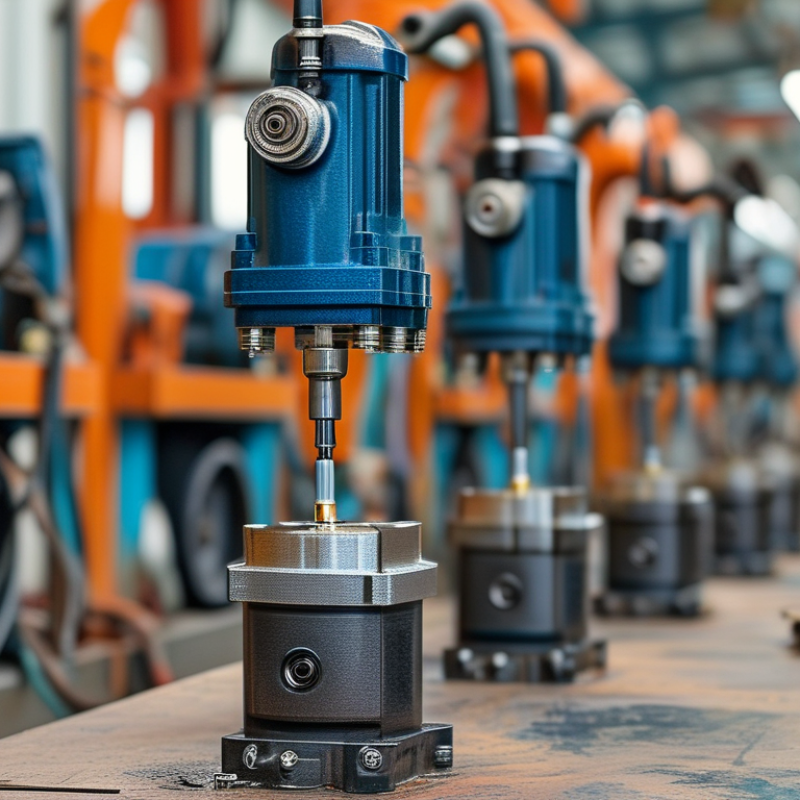
Top 10 Air Hydraulic Pumps for Global Buyers in 2026?

Top Characteristics to Look for in Air Hydraulic Pumps in 2026

When selecting an air hydraulic pump in 2026, there are key characteristics to consider. First, check the pump's pressure rating. A suitable pressure rating ensures the pump can handle the required tasks. Most industrial applications demand high-pressure performance. This can greatly impact efficiency.

Ease of maintenance is another important factor. Air hydraulic pumps should have accessible components for proper upkeep. Regular maintenance prolongs the pump's lifespan. Look for models with clear manuals and support resources available. Access to professional service can be crucial.

Tips: Always consider operational environments. If working in dusty or humid settings, choose a pump with protective features. These will enhance durability. Evaluate the weight of the pump too. A heavy model may require additional lifting equipment, which can complicate usage.

Finally, always research the warranty and service options. A strong warranty shows confidence in the product. Reliable customer support can prevent long downtimes. Be wary of models with limited availability of parts. This can lead to unexpected challenges in the long run.

Market Trends: Growth Forecast for Air Hydraulic Pumps Industry by 2026

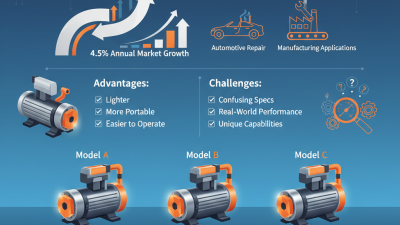
The air hydraulic pumps industry is poised for significant growth by 2026. Driven by increased automation and a rising demand for efficient power solutions, these pumps are gaining traction across various sectors. Industries like automotive and construction are leading the charge with expanded usage. The advancement in technology is also enhancing pump performance and efficiency. However, some consumers may face challenges in identifying the most suitable pump for their needs.

Tips: Always assess your operational requirements before making a purchase. Look for pumps that offer features like adjustable pressure settings to enhance usability.

As manufacturers adapt to market demands, trends show a surge in energy-efficient models. These innovations promise lower operational costs and improved sustainability. Nevertheless, market players must be wary of maintaining quality amid rapid production increases. Balancing cost pressures while ensuring reliability remains a challenge.

Tips: Regular maintenance of your pump is crucial. A simple inspection can prevent costly breakdowns later on.

Comparison of Leading Brands in Air Hydraulic Pumps: Key Insights and Data

Air hydraulic pumps are essential tools in various industrial applications. In 2026, global demand is projected to reach $2.8 billion, with a compound annual growth rate (CAGR) of 4.5%. Notably, efficiency is critical. Data shows that leading brands achieve up to 98% efficiency in fluid transfer. However, not all products meet these standards, raising concerns for buyers.

When comparing different brands, users should analyze specifications carefully. Pressure ratings, typically ranging from 300 to 5,000 PSI, can significantly impact performance. The weight of pumps can vary significantly: some models weigh over 100 pounds. Portability may become an issue depending on the job site. A study indicated that 25% of hydraulic pump failures are due to maintenance oversight. This highlights the importance of adhering to proper care procedures.

Additionally, customer feedback reveals mixed reviews on durability. Some models have shown signs of wear after limited use, which could reflect manufacturing inconsistencies. While many brands focus on reducing costs, this has sometimes compromised quality. Users must remain vigilant and make informed choices based on reliable data and expert recommendations.

Top 10 Air Hydraulic Pumps for Global Buyers in 2026

Model Max Pressure (psi) Power Source Weight (lbs) Price ($)
Model A 10,000 Air 50 450
Model B 8,000 Air 45 400
Model C 12,000 Air 55 475
Model D 15,000 Air 60 500
Model E 9,000 Air 48 425
Model F 14,000 Air 58 480
Model G 11,000 Air 52 460
Model H 13,000 Air 56 490
Model I 7,500 Air 47 390
Model J 10,500 Air 53 455

Environmental Regulations Impacting Air Hydraulic Pumps Market Dynamics

The air hydraulic pumps market is undergoing significant changes due to evolving environmental regulations. In 2026, buyers will face new challenges and opportunities. Compliance with these regulations will shape manufacturing processes and design innovations in hydraulic pumps. Manufacturers are emphasized to achieve greater energy efficiency and reduced emissions.


One critical aspect is the lifecycle assessment of products. Manufacturers must consider the environmental impact from production to disposal. This focus encourages the development of more sustainable materials. Buyers should prioritize products with eco-friendly certifications.


Tips for buyers: Always ask for the environmental impact data when considering a purchase. Research the company’s commitment to sustainability. Monitor industry trends to stay informed about regulatory changes. Understanding these dynamics can lead to smarter purchasing decisions and better alignment with regulatory necessities.

Emerging Technologies Revolutionizing Air Hydraulic Pump Efficiency in 2026

In 2026, the air hydraulic pump industry is experiencing significant transformations. Emerging technologies are enhancing efficiency and performance. According to a recent industry report by MarketsandMarkets, sectors like automotive and construction are projected to boost air hydraulic pump demand by over 15% annually. Innovations in materials and design improve durability, while advanced sensors optimize pump performance.

Manufacturers are increasingly adopting smart technologies. These include IoT integration, enabling real-time monitoring of pump conditions. Predictive maintenance can reduce downtime by up to 30%, as highlighted in a report by Research and Markets. However, transitioning to these technologies requires investment and training. While advancements are promising, some teams may struggle to keep pace with rapid changes.

**Tip:** Consider training programs to maximize the benefits of new technologies. Equipping your team will help mitigate performance dips during transitions.

Another key development is the focus on energy efficiency. Energy-efficient designs are expected to reduce energy consumption by 25% compared to traditional models, based on findings from the Energy Efficiency Journal. Yet, manufacturers must balance performance with sustainability, which can pose a challenge. Adopting these modern approaches is essential for competitiveness.

**Tip:** Regularly assess your energy consumption metrics to identify areas for improvement. This simple step can lead to significant energy savings.

Choose a global leader for your hydraulics solutions

How can we help you?

Call to 0034 943884600 Contact us
Call us Contact us

We use cookies to ensure that we give you the best experience on our website. If you continue without changing your settings, we'll assume that you agree to receive cookies on the HINE website. For more information read our cookie policy page, click the link for more information.plugin cookies

ACEPTAR
Aviso de cookies