

In the ever-evolving landscape of packaging, box making machines play a crucial role. Industry expert John Smith states, "The future of packaging lies in efficient and innovative box making technologies." This insight highlights the significance of investing in advanced box making machines for businesses aiming to stay competitive in 2026.
As we look towards the future, global buyers must understand the diverse options available in the box making machine market. Each machine offers unique features tailored to different production needs. For instance, some machines focus on speed, while others emphasize precision in cutting and folding. This array of choices can be overwhelming. Buyers need clear guidance to make informed decisions.
Additionally, the effectiveness of a box making machine is crucial for optimization and cost savings. An unreliable machine can lead to production delays, increased waste, and ultimately, financial loss. Therefore, investing time in research and understanding the available technologies is essential for any manufacturer.
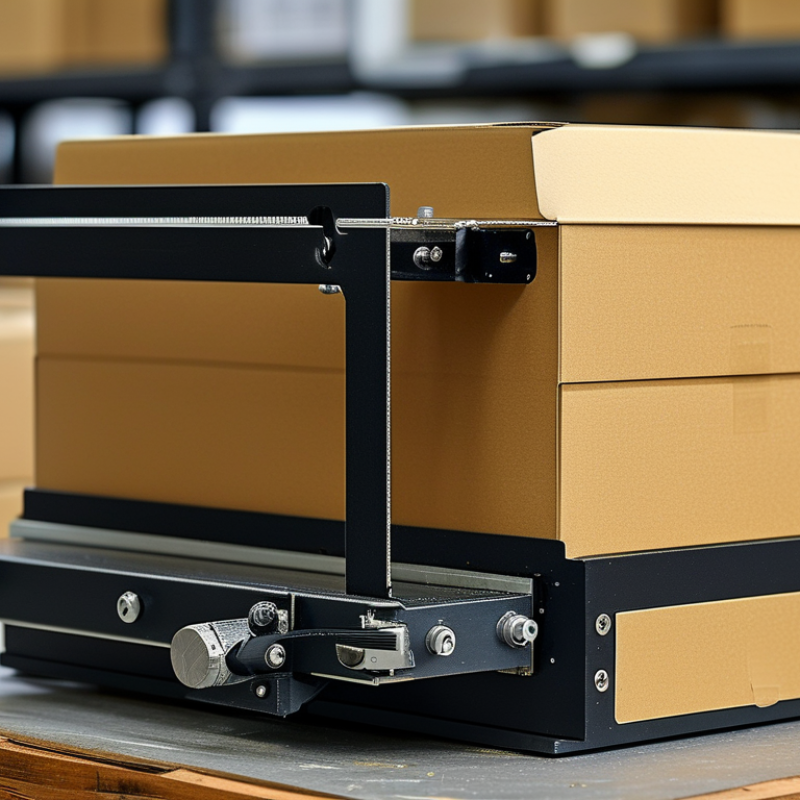
In 2026, the significance of box making machines cannot be overstated. These machines streamline packaging processes, contributing to efficiency in various industries. As companies prioritize sustainability, these machines can craft packaging solutions from recycled materials. This shift helps reduce waste, aligning with global environmental goals.
The demand for custom box solutions is rising. Businesses need specific sizes and designs to meet customer needs. Modern machines can handle this customization swiftly. However, not all machines provide the same quality. Buyers must evaluate features like speed, material compatibility, and ease of operation. Understanding these details can lead to better purchasing decisions.
With advancements in technology, many machines now incorporate automation and smart features. These innovations enhance production quality but can create a learning curve for operators. Some machines may seem complex, leading to potential errors during operation. Continuous training and feedback from operators are crucial to maximize performance, ensuring long-term reliability in production.
When selecting a box making machine, several key features demand attention. Pay close attention to production speed. Machines that can produce upwards of 100 boxes per hour will boost your operations. Additionally, the machine's ability to handle various materials is essential. Some machines can work with corrugated cardboard and paperboard, enhancing versatility.
Precision is another critical factor. An accurate box maker reduces waste. According to industry reports, accuracy can improve material utilization by up to 30%. Options for customization, including adjustable dimensions and printing capabilities, should not be overlooked. This flexibility allows businesses to adapt quickly to changing market demands.
Automation features are becoming increasingly important. Machines equipped with integrated software streamline operations. This can lead to a reduction in labor costs. An estimated 40% of businesses reported significant efficiency gains after adopting automated systems. However, adopting new technology requires careful training and adjustment. Ignoring this can lead to operational disruptions. Always weigh the upfront costs against potential long-term savings.
As the demand for packaging solutions continues to grow, box making machines play a crucial role in fulfilling this need. The global market in 2026 will likely require innovative machinery that balances efficiency with sustainability. Many manufacturers will focus on automation features to enhance production speed. Industry experts suggest reviewing machine specifications closely. It's essential to assess their energy consumption and waste reduction capabilities. This reflects a growing awareness of environmental impact.
Efficiency is not the only factor to consider. The reliability of machinery is paramount. Buyers will want to evaluate service support and maintenance requirements. A machine that is difficult to support can lead to significant downtime. Furthermore, while advanced technology can streamline operations, it may also introduce complexity. Understanding how to operate and maintain these machines will be vital for users. This is an area where more training might be necessary.
Customization options are another key aspect. Buyers are seeking machines that can adapt to various sizes and styles of boxes. This flexibility can allow businesses to meet diverse customer needs. However, there's potential for confusion in selecting the right options. Balancing between versatility and simplicity will require thoughtful consideration. In 2026, the best machines will not only be efficient but also user-friendly and adaptable.
| Machine Model | Production Speed (boxes/min) | Box Type | Max Box Size (mm) | Dimensions (L x W x H mm) | Weight (kg) | Power Consumption (kW) | Price Range (USD) |
|---|---|---|---|---|---|---|---|
| Model A | 30 | Corrugated | 1200 x 800 | 4000 x 2000 x 2000 | 1500 | 15 | 50,000 - 70,000 |
| Model B | 35 | Folding | 1000 x 600 | 3500 x 1500 x 1500 | 1200 | 10 | 40,000 - 60,000 |
| Model C | 25 | Die-Cut | 800 x 600 | 3000 x 1200 x 1800 | 1300 | 12 | 30,000 - 50,000 |
| Model D | 40 | Regular Slotted Container | 1400 x 900 | 4500 x 2200 x 2200 | 1600 | 20 | 70,000 - 90,000 |
| Model E | 15 | Custom Box | 600 x 400 | 2900 x 1100 x 1600 | 1100 | 8 | 20,000 - 35,000 |
| Model F | 22 | High-Quality Box | 1000 x 500 | 3300 x 1700 x 2000 | 1300 | 15 | 45,000 - 55,000 |
| Model G | 28 | Heavy-Duty | 1200 x 800 | 4200 x 2100 x 2100 | 1700 | 16 | 60,000 - 80,000 |
| Model H | 18 | Eco-Friendly Box | 800 x 600 | 3100 x 1400 x 1800 | 1250 | 11 | 35,000 - 45,000 |
| Model I | 20 | Standard Box | 900 x 700 | 3800 x 1600 x 1900 | 1450 | 14 | 50,000 - 65,000 |
| Model J | 32 | Stackable Box | 1100 x 900 | 4000 x 2000 x 2300 | 1900 | 18 | 75,000 - 95,000 |
In the realm of box making machines, understanding cost and efficiency is crucial for global buyers. The industry's landscape has shifted dramatically in recent years. Reports indicate that automation in box production can cut labor costs by up to 50%. However, initial investments remain a concern for many companies. Advanced machines might seem pricey but can yield significant long-term savings.
Efficiency is often measured by output rate and energy consumption. Data shows that newer machines can produce up to 20% more boxes per hour compared to outdated models. Yet, buyers should consider the maintenance costs. Some high-efficiency machines require specialized parts that can lead to increased operational expenses. A balanced approach is essential when evaluating options.
Additionally, sustainability is becoming a focal point in box production. Machines designed to use recycled materials are gaining traction. These not only reduce waste but also attract eco-conscious clients. Nevertheless, the challenge lies in ensuring these machines remain cost-effective while maintaining high output. As the market evolves, buyers must continuously reassess their choices based on current trends.
This chart compares the estimated costs and efficiency scores of the top 10 box making machines for global buyers in 2026. The cost is represented in thousands of dollars, while efficiency scores are rated on a scale of 1 to 100.
As the demand for sustainable packaging rises, box-making technology is evolving rapidly. Businesses are increasingly adopting automated machines that enhance efficiency and reduce waste. This shift responds to consumer preferences for eco-friendly products. Innovations such as digital printing and smart technology are making box production faster and more versatile. Companies are keen to invest in machines that support customization and lower operational costs.
Tips: Embrace new technologies. They can streamline your production. Analyze your current processes to identify areas for improvement. Optimizing machine performance can lead to significant cost savings.
Future trends indicate a focus on integration. Machines equipped with IoT capabilities will enable real-time monitoring. This can help manufacturers adjust their output based on current market needs. Automation will not only boost productivity but also improve precision. Preparing for these changes can position businesses as market leaders.
Tips: Stay informed about industry advancements. Regular training for staff ensures everyone is on board with new systems. Collaboration among teams promotes innovative ideas that can improve production efficiency.
How can we help you?
Call to 0034 943884600 Contact usWe use cookies to ensure that we give you the best experience on our website. If you continue without changing your settings, we'll assume that you agree to receive cookies on the HINE website. For more information read our cookie policy page, click the link for more information.plugin cookies
ACEPTAR