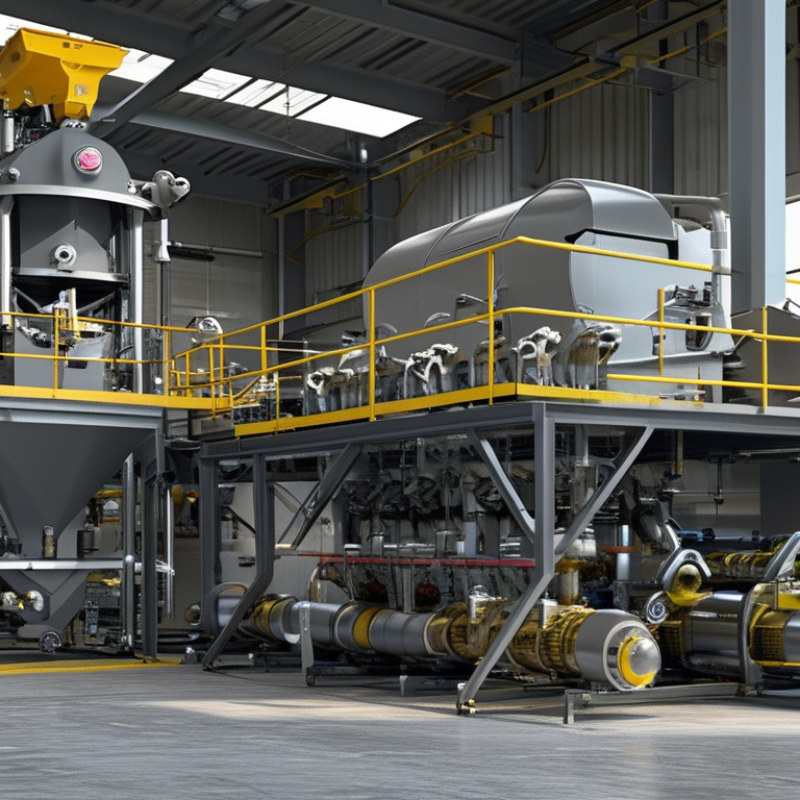
Choosing the right Dewatering Screw Press manufacturer affects sludge dryness, energy use, maintenance, and disposal costs. It also affects daily reliability.
Recent reports show why this market deserves careful comparison. Grand View Research’s Wastewater Treatment Equipment Market Report identifies rising wastewater volumes and stricter discharge expectations as major growth drivers. MarketsandMarkets also highlights expanding investment in sludge treatment, industrial water reuse, and municipal infrastructure. However, market estimates vary between reports. That difference deserves attention, not blind confidence.
A useful principle comes from wastewater-treatment authority Dr. George Tchobanoglous: “Sludge is not a waste; it is a resource.” His statement reflects the modern role of dewatering. A well-selected press can produce a firmer cake, reduce hauling frequency, and support safer resource recovery. The details are practical. Operators must examine feed solids, polymer demand, torque control, wash-water use, noise, and corrosion resistance. A small plant may value compact design. A large plant may prioritize continuous throughput and remote monitoring.
This guide compares leading Dewatering Screw Press manufacturers worldwide. It considers published specifications, field experience, service coverage, customization, and long-term operating evidence. Product brochures alone are not enough. Real performance depends on sludge characteristics and operator discipline. That is where many rankings become imperfect.
Buyers should question impressive numbers. They should request test data using comparable sludge. Independent verification remains essential. Sources consulted include Grand View Research, MarketsandMarkets, the U.S. Environmental Protection Agency’s biosolids guidance, and manufacturer technical documentation.
A dewatering screw press separates water from wastewater sludge through slow, continuous compression. It uses a rotating screw inside a perforated cylindrical screen. As sludge enters, the screw conveys it forward while the flight gap gradually narrows. Pressure rises near the outlet. Free water drains through the screen, while compressed solids leave as a manageable cake.
This equipment suits municipal plants, food processors, and industrial wastewater facilities. The Water Environment Federation’s Manual of Practice No. 8 identifies screw pressing as a low-energy mechanical dewatering method. Typical cake solids often range from 15% to 30%, depending on sludge type, polymer conditioning, and operating pressure. The U.S. Environmental Protection Agency’s Biosolids Generation, Use, and Disposal report estimated about 7.2 million dry metric tons of biosolids were generated annually in the United States. That figure shows why reliable volume reduction matters.
It is not a magic machine.
In practice, polymer dosage can change performance sharply. Excess polymer may produce sticky cake and cloudy filtrate. Insufficient conditioning may overload the screen. Operators should monitor feed solids, torque, filtrate clarity, and cake moisture daily. A screw press may also consume less wash water than some high-speed systems, but poor cleaning still causes blinding.
Evaluating global dewatering screw press manufacturers requires more than comparing catalog prices. Examine their documented experience with similar sludge types, including municipal, industrial, and food-processing waste. Ask for measured results, not optimistic estimates. Important figures include feed solids, cake dryness, polymer use, throughput, power consumption, and noise levels. A reliable manufacturer should explain testing methods and operating limits clearly.
Inspect the machine’s practical details. Stainless steel grade, screw flight design, screen durability, bearing protection, and automatic torque control affect service life. Request a factory test using representative sludge, preferably with witnessed sampling. Check installation records from comparable climates and capacities. Strong technical support should include commissioning, operator training, spare-parts availability, and response times. Certifications matter, but they do not replace engineering evidence. A polished brochure can still hide weak field performance.
Tips: Compare at least three technical proposals. Ask for raw test data and customer references. Confirm whether quoted capacity changes with sludge concentration. Review the warranty carefully, especially for screens, drives, and wear components. Check local service coverage before signing. I would not rely on the lowest bid alone; it may create higher polymer, maintenance, or downtime costs later. Also, remember that laboratory results can differ from daily plant conditions. That gap deserves attention.
Top Dewatering Screw Press Manufacturers Worldwide?
Leading Dewatering Screw Press Manufacturers by Region
Dewatering screw press manufacturers differ by region because wastewater conditions are rarely identical. European suppliers often focus on compact systems, energy efficiency, and strict discharge requirements. Their machines may suit municipal plants with limited floor space. However, higher automation can increase maintenance costs.
Manufacturers in East Asia commonly offer broad capacity ranges and flexible customization. Their equipment often serves food processing, paper production, and industrial wastewater facilities. North American producers usually emphasize rugged construction, service access, and compliance documentation. Regional fabricators may provide faster replacement parts, which matters when sludge cannot wait. I have seen small design details, such as spray-bar placement, affect daily cleaning time. Specifications alone can mislead.
Tips: Compare torque, screen diameter, sludge type, polymer use, and expected throughput. Ask for test results using your actual sludge. Check stainless-steel grades, motor protection, noise levels, and local service coverage. A factory visit or witnessed trial can reveal more than a polished brochure. Do not ignore operator feedback. It often exposes problems engineers missed. Manufacturers should also explain how performance changes during seasonal moisture shifts. Some suppliers promise excellent dryness, yet the result depends heavily on feeding consistency and polymer control. That gap deserves careful review.
The regional leadership index is an indicative, non-brand assessment based on industrial equipment manufacturing capacity, wastewater-treatment demand, engineering capability, and export infrastructure. It does not represent company revenue or market share.
Top Dewatering Screw Press Manufacturers Worldwide?
Dewatering screw presses differ widely in design, capacity, and operating stability. Key features include screw diameter, screen opening, torque control, wash-water systems, and automated polymer dosing. These details directly affect cake dryness and daily maintenance. Capacity should be compared using dry-solids input, not only hourly sludge volume. A unit handling 100 cubic meters of dilute sludge may process less solids than expected. That difference can change equipment selection.
Industrial applications also shape the comparison. Municipal plants often need reliable, low-energy operation for biological sludge. Food processors may require stainless steel construction and frequent cleaning. Pulp, paper, and agricultural facilities usually demand higher torque and abrasion resistance. Experienced buyers should request test results using similar feed material. Laboratory data helps, but a site trial is more convincing. Real sludge rarely behaves like a brochure sample. This is where some evaluations become too optimistic.
Tips: Check rated capacity at your actual solids concentration. Ask about screen replacement time, noise levels, wash-water use, and emergency bypass procedures. Review service records from comparable installations. A smaller press may outperform a larger model when feed control is unstable. Leave room for seasonal changes. Undersizing is costly, but oversizing can reduce dewatering efficiency and increase energy use. Review the decision after commissioning. Performance may improve after operators adjust polymer dosage and feeding speed.
Choosing the right dewatering screw press manufacturer requires more than comparing catalogue prices. A reliable supplier should understand your sludge type, daily volume, solids content, and disposal requirements. Ask for measured performance data from wastewater streams similar to yours. Generic laboratory results can mislead. Ask for evidence.
Review the manufacturer’s engineering experience. Can its team calculate torque, screen loading, polymer demand, and wash-water use? Request a pilot test using your actual sludge. Watch the feed hopper, filtrate clarity, cake texture, and motor load during operation. Small details matter, such as access to the screw, screen replacement time, and control-panel alarms. I once focused too heavily on capacity and underestimated maintenance space. That mistake affected installation planning.
Check references from facilities with comparable operating conditions. Speak with operators, not only sales representatives. Confirm spare-parts availability, response times, commissioning support, and technician training. The warranty should clearly cover major components and define operating conditions. Independent certifications and documented factory testing can strengthen confidence, but they do not replace practical references. A trustworthy manufacturer will explain limitations without hiding behind impressive figures. It should also provide drawings, energy estimates, safety information, and a realistic lifecycle-cost calculation. A lower purchase price may become expensive when polymer use, downtime, and frequent cleaning are included. Evaluate the whole operating routine, not just the machine.
| Evaluation Dimension | Relevant Industry Benchmark or Typical Range | What a Strong Manufacturer Should Provide | Why It Matters When Selecting a Supplier | Recommended Verification Method |
|---|---|---|---|---|
| Application Experience | Reference installations should cover the same sludge type, solids concentration, and operating conditions as the proposed project. | Documented experience with municipal wastewater sludge, industrial sludge, food-processing waste, or other application-specific materials. | Screw press performance depends heavily on sludge characteristics, not only on machine size. | Request anonymized project data showing feed solids, throughput, polymer use, cake solids, and operating hours. |
| Feed Solids Concentration | Many screw presses are designed for thickened sludge commonly in the approximate range of 0.5% to 5% total solids, depending on the model and process design. | Clear allowable feed-solids range, thickening requirements, and operating limits for the selected equipment. | Incorrect feed concentration can reduce capacity, increase polymer consumption, or produce wet cake. | Compare the supplier’s design basis with laboratory analysis and actual seasonal sludge data. |
| Throughput Capacity | Commercial screw presses range from compact units for small facilities to large multi-shaft systems for high-volume treatment plants; capacity is normally specified in dry-solids load rather than only volumetric flow. | Capacity stated in kilograms of dry solids per hour, together with feed concentration, polymer dose, and target cake dryness. | Volumetric flow alone can be misleading because sludge density and solids content vary considerably. | Require a guaranteed performance point based on dry-solids loading and defined operating conditions. |
| Expected Cake Solids | Typical dewatered sludge cake from screw presses often falls approximately within 15% to 25% total solids, although results vary by sludge type and conditioning. | A realistic cake-solids guarantee supported by test results for comparable sludge. | Higher cake solids generally reduce hauling, storage, and disposal volume. | Use third-party laboratory testing or a supervised pilot test with representative sludge. |
| Polymer Consumption | Polymer demand varies significantly; an indicative design range for conditioned sludge may be approximately 2 to 12 kilograms of active polymer per tonne of dry solids. | Polymer optimization, automatic dosing control, mixing equipment, and a documented jar-test or pilot-test procedure. | Polymer cost can become a major part of total operating expenditure. | Compare active-polymer consumption at the same cake-solids and capture-rate targets. |
| Solids Capture Rate | Well-designed systems commonly target approximately 95% to 99% solids capture, subject to sludge properties and polymer conditioning. | Capture-rate data based on mass balance calculations rather than visual observations alone. | Low capture increases return-load contamination and may overload downstream treatment processes. | Request influent, filtrate, and cake laboratory results and review the calculation method. |
| Water and Energy Use | Screw presses generally use less wash water and energy than many conventional mechanical dewatering systems; actual consumption depends on flushing frequency and drive size. | Separate figures for operating power, standby power, wash-water demand, and automatic cleaning cycles. | Utilities affect lifecycle cost, especially at continuously operated facilities. | Compare kilowatt-hours per tonne of dry solids and cubic metres of wash water per operating day. |
| Screen and Screw Materials | Corrosion-resistant stainless steel is commonly used for wetted components; material grade should match chloride, chemical, and abrasion conditions. | Material certificates, weld-quality information, replaceable screen sections, and wear-part specifications. | Material selection affects service life, maintenance frequency, and resistance to corrosion. | Check the bill of materials and confirm stainless-steel grade, thickness, and surface treatment. |
| Automatic Operation | Modern systems may include automatic torque control, differential-speed adjustment, polymer control, overload protection, and scheduled flushing. | PLC control, alarm history, remote status signals, emergency stops, and integration with the plant control system. | Automation reduces operator workload and helps maintain stable cake quality. | Review the control philosophy, input/output list, alarm matrix, and factory acceptance test procedure. |
| Noise and Working Environment | Screw presses are generally suitable for enclosed installations, but actual sound levels depend on motor, gearbox, vibration, and surrounding equipment. | Measured sound-pressure data, guarding, drip trays, odor-control compatibility, and safe access for operators. | A quieter, cleaner installation improves workplace safety and acceptance by nearby personnel. | Request sound measurements using a stated distance and operating condition. |
| Maintenance Requirements | Routine work usually includes screen inspection, flushing, lubrication checks, polymer-system maintenance, and replacement of wear components. | Preventive-maintenance schedule, expected service life of screens and brushes, spare-parts list, and maintenance access drawings. | Maintenance time and spare-part availability directly affect plant availability. | Ask for annual maintenance hours, recommended spare inventory, and typical replacement intervals. |
| Compliance and Documentation | Applicable requirements depend on the installation country and may include electrical safety, machinery safety, pressure-free piping design, and environmental regulations. | Technical drawings, manuals, risk assessment, conformity documents, wiring diagrams, material certificates, and inspection records. | Complete documentation reduces approval delays and supports safe operation. | Confirm document scope during the quotation stage and include it in the purchase contract. |
| Testing and Acceptance | Performance testing should use representative sludge and clearly defined feed, polymer, throughput, capture, and cake-solids conditions. | Laboratory testing, pilot trials, factory acceptance testing, site acceptance testing, and measurable performance guarantees. | Testing reduces the risk of purchasing equipment that performs well only under ideal conditions. | Include acceptance criteria, sampling frequency, test duration, and remedies for non-compliance. |
| After-Sales Support | Response time and local service capability are critical for continuously operating wastewater facilities. | Regional technicians, training, commissioning support, remote diagnostics, spare-parts stock, and defined warranty terms. | Fast technical support can reduce unplanned downtime and production losses. | Evaluate service coverage, response-time commitments, training content, and parts lead times. |
| Total Cost of Ownership | Purchase price is only one cost element; polymer, electricity, wash water, labor, wear parts, sludge disposal, and maintenance should also be included. | A five- to ten-year lifecycle-cost model based on the same dry-solids load and operating schedule. | The lowest initial quotation may have higher long-term operating and maintenance costs. | Compare suppliers using identical assumptions for annual operating hours, sludge production, utilities, and disposal fees. |
| Supplier Selection Score | Recommended weighting: 25% process performance, 20% lifecycle cost, 15% reliability, 15% service support, 10% documentation, 10% delivery capability, 5% sustainability. | Transparent scoring supported by verifiable technical and commercial evidence. | A weighted evaluation prevents price alone from determining the final decision. | Use a common bid-evaluation matrix and require written evidence for every claimed advantage. |

How can we help you?
Call to 0034 943884600 Contact usWe use cookies to ensure that we give you the best experience on our website. If you continue without changing your settings, we'll assume that you agree to receive cookies on the HINE website. For more information read our cookie policy page, click the link for more information.plugin cookies
ACEPTAR