

Foot Pedal Valve systems remain practical control devices in pneumatic machinery, especially where operators need hands-free or low-effort actuation. A typical workshop example is a press operator using one foot to start a cylinder while keeping both hands near the workpiece. This simple action can improve workflow, but it also demands dependable construction, clear valve response, and suitable safety controls.
Market evidence supports continued demand for pneumatic hardware. MarketsandMarkets’ Pneumatic Components Market report projects steady growth through 2028, driven by factory automation, process equipment, and material-handling applications. Grand View Research also identifies industrial automation as a rapidly expanding market, supported by manufacturers seeking repeatable motion and reduced manual intervention. These reports do not measure Foot Pedal Valve sales alone. That matters. Broad market figures should not be treated as direct proof of one supplier’s performance.
This guide examines ten Foot Pedal Valve manufacturers and suppliers using practical purchasing criteria. These include product range, port sizes, operating pressure, body materials, return mechanisms, sealing quality, customization, certifications, delivery capability, and technical support. Manufacturer experience matters. So does field feedback from maintenance teams who replace worn pedals in dusty workshops or humid production areas. A low purchase price may look attractive, yet poor treadle durability can increase downtime and replacement costs. The selected companies are therefore considered from both engineering and procurement perspectives. No ranking is perfectly universal; application conditions, regional service, and machine design can change the best choice.
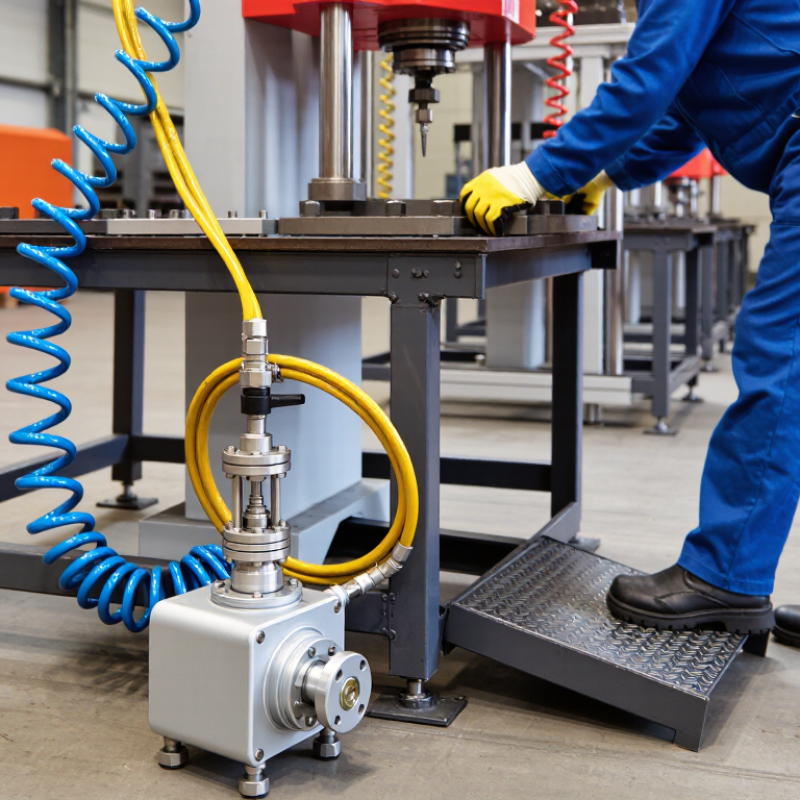
Foot pedal valves convert foot movement into controlled pneumatic or hydraulic flow.
The operator keeps both hands on a workpiece while pressing a treadle. A spring-return model stops flow when released. A detented model stays in position until shifted.
That difference matters beside a drill fixture, clamping station, or material-handling table. Air pressure, port size, and flow capacity must match the actuator. Otherwise, motion becomes slow, noisy, or unreliable.
Keep the control within comfortable reach. It should not create a trip hazard.
In factories, foot pedal valves often control single- and double-acting cylinders. They support punching, bending, pressing, dispensing, and assembly tasks.
Guards and two-step controls may be necessary where accidental activation could cause injury. Exhaust mufflers can reduce sharp release noise, although undersized units may restrict flow.
Moisture in compressed air also damages seals and causes sticky operation.
A filter-regulator-lubricator arrangement can help, but lubrication is unsuitable for some modern seals. Check the equipment manual.
When comparing the top ten manufacturers and suppliers, examine test records, material specifications, replacement parts, and technical support.
Ask for cycle-life data under conditions resembling your production line. A valve rated for a laboratory may fail in dusty surroundings.
I have seen teams choose by price, then spend more on downtime.
That decision deserves reconsideration.
Confirm thread standards, temperature limits, return force, and mounting dimensions before ordering.
Press the pedal repeatedly during commissioning. Feel for hesitation. Small resistance changes can reveal contamination, poor alignment, or a weak spring.
When comparing the top 10 foot pedal valve manufacturers and suppliers, look beyond catalog photos. Check their production experience, testing procedures, and technical documentation. A reliable supplier should explain pressure ratings, port sizes, materials, and expected service life clearly. Ask for test records from recent production batches. Vague answers can signal weak quality control. Practical experience matters, especially for valves used near dust, moisture, or repeated foot operation.
Tips: Request a sample before placing a large order. Test pedal resistance, return speed, leakage, and mounting stability. Confirm whether replacement seals and technical support are available. Also, inspect packaging. A damaged valve may reveal poor handling before installation.
Evaluate manufacturing consistency, not just the lowest quotation. Review quality certifications, inspection plans, and traceability records. Speak with engineers, not only sales representatives. They should understand flow requirements and explain possible pressure loss. Check delivery history and warranty conditions in writing. One overlooked detail is compatibility with existing tubing and fittings. Measure everything twice. I have seen projects delayed by one incorrect thread specification. No supplier is perfect, so assess how openly they handle defects, revisions, and customer feedback. A dependable partner documents problems and improves its process.
This chart presents a supplier-evaluation weighting model on a 100-point scale. Performance, compliance, durability, compatibility, delivery, customization, and technical support are key factors when comparing foot pedal valve manufacturers and suppliers. The framework is intended for procurement screening and does not represent a ranking of individual companies.
Selecting foot pedal valve manufacturers and suppliers requires more than comparing catalog prices. Industrial valves are projected to grow steadily, with Grand View Research valuing the global market at approximately USD 78.6 billion in 2023. Pneumatic components also show strong demand. MarketsandMarkets forecasts this segment to reach about USD 4.4 billion by 2028. These figures cover broader categories, not foot pedal valves alone. However, they indicate expanding demand for reliable pneumatic control equipment.
Experienced buyers should examine valve body materials, port sizes, actuation force, and rated pressure. A steel pedal may suit harsh workshops, while aluminum reduces weight around mobile equipment. Check cycle-life testing, seal compatibility, and replacement-part availability. Suppliers should provide dimensional drawings, performance curves, and traceable quality records. ISO 4414 guidance also highlights safe pneumatic system design, including controlled exhaust and unexpected movement prevention.
The best manufacturers usually support customization without weakening documentation. Ask whether each unit was tested under realistic pressure and temperature conditions. Small details matter. A stiff pedal can slow operators during repetitive work. A poorly protected exhaust port may collect dust. I would also question unusually low prices; cheaper valves can create maintenance costs later. No shortlist is perfect, and supplier claims still require independent verification through samples, audits, and field trials.
Comparing the top ten foot pedal valve manufacturers requires more than checking catalog prices. A practical review begins with valve function, body material, connection size, and operating pressure. Stainless steel resists corrosion in wet workshops. Aluminum reduces weight but may need better surface protection. Clear pedal travel also matters. A stiff pedal can slow repeated operation and create user fatigue.
Quality standards reveal how seriously a supplier controls production. Look for documented pressure testing, material traceability, dimensional inspection, and consistent thread accuracy. Suppliers following recognized quality systems usually provide stronger records, but certification alone proves little. Ask for test reports, inspection procedures, and sample performance data. Small differences in sealing design can affect leakage, service life, and maintenance time. I would not trust polished specifications without practical evidence.
Service support often separates a dependable supplier from a merely available one. Useful support includes installation drawings, spare seal kits, response targets, and technical guidance from trained staff. Check whether replacement parts remain available after the initial purchase. Some suppliers respond quickly before a sale, then become difficult to reach. That risk deserves attention. Field trials should record pedal force, cycle consistency, noise, and leakage after repeated use. A supplier may offer excellent quality, yet poor documentation can still burden maintenance teams. Real experience sometimes exposes weaknesses that laboratory figures miss.
Choosing the right foot pedal valve supplier requires more than comparing unit prices. Start with the machine’s actual requirements: operating pressure, flow rate, port size, cycle frequency, and return action. A 3/2 valve may suit a single actuator, while a 5/2 valve fits double-acting cylinders. Check whether the pedal includes a guard, spring return, locking function, or emergency release. These details affect operator safety and production consistency.
Market data supports careful supplier screening. MarketsandMarkets reported that the pneumatic components market could grow from about USD 13.1 billion in 2023 to USD 18.1 billion by 2028. This expansion increases supplier choices, but quality can vary. Ask for material specifications, pressure-test records, batch traceability, and ISO 9001 certification. ISO 4414 also stresses safe pneumatic system design, including controlled exhaust and maintenance isolation. A supplier should explain how its valve supports these principles.
Request samples before approving a large order. Test the pedal with your real tubing, air quality, and working gloves. Measure leakage after repeated cycles, not only during a short demonstration. I once treated a low quotation as proof of efficiency. It was not. The valve needed unusual fittings, creating hidden costs. Confirm spare seal availability, delivery performance, technical response time, and warranty terms. Supplier experience matters, but documented evidence matters more.
| No. | Evaluation Dimension | Practical Industry Benchmark | Importance | What to Request from the Supplier | Common Selection Risk |
|---|---|---|---|---|---|
| 1 | Valve Function and Port Configuration | Common pneumatic configurations include 3/2 valves for single-acting actuators and 5/2 valves for double-acting actuators. Typical port sizes include 1/8, 1/4, and 3/8 inch. | Critical | Confirm the required valve way, number of positions, port thread standard, actuator type, and circuit diagram. | A wrong valve configuration can prevent the actuator from extending, retracting, or exhausting correctly. |
| 2 | Operating Pressure Range | Many industrial pneumatic foot valves operate within a compressed-air range of approximately 0.15 to 0.8 MPa, although the exact range depends on the design. | Critical | Ask for the minimum actuation pressure, rated operating pressure, maximum pressure, and pressure-test method. | Operating below the minimum pressure may cause incomplete spool movement or inconsistent machine cycling. |
| 3 | Flow Capacity and Response | Flow capacity is commonly specified in Nl/min or Cv. Higher flow capacity generally supports faster cylinder movement, subject to tubing and exhaust restrictions. | Critical | Request rated flow data, test pressure, response-time information, and recommended tubing size. | A valve with insufficient flow can make the machine cycle too slowly even when the pressure rating is adequate. |
| 4 | Actuation and Return Mechanism | Typical designs use foot depression, spring return, maintained position, or guarded/toggle operation. Spring return is generally preferred where release must stop motion. | Critical | Verify pedal travel, actuation force, return force, detent behavior, and whether a safety guard is available. | An unsuitable return mechanism may create unexpected actuator movement or operator fatigue. |
| 5 | Material and Environmental Resistance | Common housings use aluminum alloys, zinc alloys, or engineering polymers. Stainless-steel or coated components are more suitable for corrosive or washdown environments. | High | Confirm housing material, seal material, corrosion protection, temperature range, and compatibility with water, oil, dust, or cleaning chemicals. | A standard valve may corrode, swell, or lose sealing performance in harsh environments. |
| 6 | Sealing and Leakage Performance | Reliable pneumatic valves should provide stable internal and external sealing over their specified pressure and temperature range. Seal compounds commonly include NBR, FKM, or polyurethane. | High | Request allowable leakage limits, seal material, endurance-test results, and the inspection procedure used for finished valves. | Small leaks can reduce actuator force, increase compressor loading, and cause erratic operation. |
| 7 | Safety, Ergonomics, and Guarding | The pedal should provide stable footing, clear status feedback, suitable travel, and protection against unintended activation where the application presents a hazard. | High | Evaluate pedal surface, mounting stability, guard options, emergency-stop integration, and conformity documentation for the target market. | Poor ergonomics or accidental activation can increase operator injury and equipment damage risks. |
| 8 | Quality Management and Traceability | A dependable supplier should maintain documented incoming inspection, process control, final testing, batch identification, and corrective-action procedures. | High | Request quality certificates, inspection records, lot traceability, sample approval procedures, and details of the warranty process. | Without traceability, recurring defects are difficult to isolate and warranty claims may take longer to resolve. |
| 9 | Customization and Engineering Support | Potential customization areas include port threads, mounting holes, pedal dimensions, valve symbols, spring force, guards, labels, and special seals. | Medium | Confirm drawing support, sample lead time, minimum order quantity, tooling charges, design-change control, and compatibility testing. | Uncontrolled customization can lead to fitment problems, delayed production, or non-interchangeable replacement parts. |
| 10 | Supply Capacity, Delivery, and Total Cost | The lowest unit price is not always the lowest total cost. Freight, tooling, spare parts, inspection, replacement time, and downtime should be included in the comparison. | Medium | Compare sample availability, production capacity, standard lead time, minimum order quantity, packaging, after-sales support, and landed cost. | Unrealistic delivery promises or hidden charges can interrupt production and increase procurement costs. |
How can we help you?
Call to 0034 943884600 Contact usWe use cookies to ensure that we give you the best experience on our website. If you continue without changing your settings, we'll assume that you agree to receive cookies on the HINE website. For more information read our cookie policy page, click the link for more information.plugin cookies
ACEPTAR