Who Are the Top Nitrile O Rings Suppliers in China?
Choosing reliable Nitrile O Rings suppliers in China requires more than comparing prices or browsing polished product catalogs. These seals support hydraulic systems, pneumatic equipment, pumps, valves, and industrial machinery. A small material error can cause swelling, leakage, or early failure. The right supplier should understand these risks and explain them clearly.
This guide examines leading Chinese suppliers through practical purchasing criteria. These include NBR compound quality, hardness consistency, temperature resistance, dimensional accuracy, mold capability, and batch traceability. It also considers ISO-based quality systems, inspection records, sample approval, and communication during technical discussions. Experienced manufacturers should provide material data, test results, and realistic production timelines. They should not hide behind vague claims.
A catalog is not proof. Factory photos are not proof either. Buyers should request samples, review certificates, inspect packaging, and confirm whether production is handled in-house. A useful supplier can discuss acrylonitrile content, sealing conditions, surface defects, and storage life without relying on sales language. That conversation often reveals more than a low quotation.
No supplier is perfect. Some companies offer excellent custom tooling but limited export support. Others respond quickly but provide weak documentation. This comparison therefore avoids treating scale as the only sign of authority. It focuses on evidence, manufacturing experience, technical reliability, and service consistency. Readers should still verify current certifications and samples before placing an order. Requirements vary, and one overlooked detail can change the final choice.
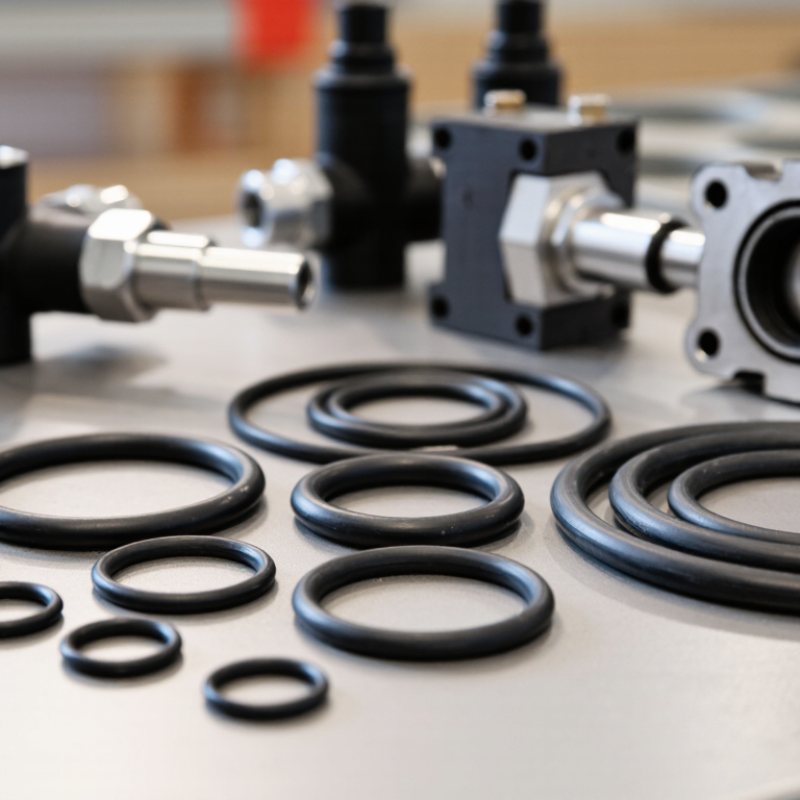
What Are Nitrile O Rings and Why Are They Widely Used?
Nitrile O-rings are circular seals made from nitrile butadiene rubber, also called NBR. They sit in a groove and compress against a mating surface, helping contain fluids or gases. Their practical advantage is resistance to petroleum-based oils and fuels, plus useful abrasion resistance. For a mechanic, that can mean a seal holding up around an oily pump shaft rather than swelling quickly. Not in every fluid, though.
NBR performance depends on its acrylonitrile content, compound recipe, temperature, and exposure time. Higher acrylonitrile content generally improves oil resistance but can reduce low-temperature flexibility. A seal that works in warm hydraulic oil may stiffen in a cold environment. Fit matters, too: an undersized groove or rough shaft can cause leakage even when the rubber itself is suitable.
Market research offers context, not a seal-selection rule. Grand View Research’s Nitrile Butadiene Rubber Market Size, Share & Trends Analysis Report estimates the global NBR market at about USD 2.2 billion in 2023 and projects growth through 2030. That figure covers NBR applications broadly, not O-rings alone. A useful reminder. Buyers should check the fluid, operating temperature, pressure, and compound specification before choosing a seal; broad material labels can hide important differences.
How Should China’s Top Nitrile O Ring Suppliers Be Evaluated?
Evaluating China’s top nitrile O-ring suppliers requires more than comparing unit prices. Start with application details: temperature, pressure, fluid type, hardness, and groove dimensions. Experienced suppliers should ask these questions before recommending a compound. They should also provide technical data for acrylonitrile content, tensile strength, elongation, and compression set. The details matter.
Request production samples from the same mold used for larger orders. Inspect surface finish, flash, hardness consistency, and dimensional tolerance. A reliable supplier can explain its inspection process and provide batch records. Ask how it controls mixing, curing, packaging, and storage. Small defects can cause leakage after installation. That risk is easy to underestimate.
Practical testing reveals more than polished presentations. Test samples with the actual oil, temperature, and pressure conditions whenever possible. Check performance after aging, not only when parts are new. Suppliers with relevant experience should discuss ISO 3601 requirements or equivalent customer specifications without making vague promises. Traceable raw materials and clear corrective-action reports also show professional control. My early evaluations focused too heavily on certificates. That was a mistake. Communication speed matters, but technical accuracy matters more. A low price may hide inconsistent tooling, unstable compounds, or weak after-sales support. Ask difficult questions. Notice which answers remain specific.
Which Chinese Suppliers Stand Out in Product Quality and Range?
The strongest nitrile O-ring suppliers in China stand out through controlled quality and practical product range. Experienced manufacturers usually offer standard metric and imperial sizes, along with custom dimensions for pumps, valves, cylinders, and fluid connectors. Their material choices may include different nitrile compounds for oil resistance, temperature needs, and hardness levels. A reliable supplier should provide compound data, dimensional inspection records, and traceable batch information. These details matter when an O-ring seals a hydraulic fitting under pressure.
Quality is visible in small details. Edges should look clean, with no cuts, bubbles, or uneven flashing. Suppliers with better process control often use automated molding, visual inspection, and sampling tests for compression set. They should also explain limitations honestly. No supplier is flawless. Some catalogs appear extensive but contain slow-moving sizes or unclear material grades. That deserves careful questioning before purchase.
Tips: Request samples from several suppliers. Compare dimensions, hardness, surface finish, and test reports. Ask how they manage storage, packaging, and batch identification. A short trial order can reveal more than a polished brochure. Also check communication speed and technical answers. If a supplier avoids specific questions, reconsider. Product range is useful, but consistent performance is the real difference.
What Manufacturing Standards and Certifications Should Buyers Check?
When comparing nitrile O-ring suppliers in China, buyers should examine standards before price. ISO 3601 specifies dimensional tolerances, inspection methods, and quality acceptance for O-rings. ASTM D2000 helps identify the compound’s resistance to oil, heat, and aging. These references make supplier comparisons less subjective.
Certification evidence matters too. ISO’s 2023 Survey recorded 1,265,216 ISO 9001 certificates worldwide in 2022. However, a certificate is evidence, not proof. Check its scope, issuing body, expiry date, and factory address. For automotive applications, IATF 16949 can indicate stronger process controls. ISO 14001 may support environmental management, but it does not confirm sealing performance. Grand View Research’s 2024 nitrile rubber market analysis identifies automotive and industrial applications as major demand areas. This increases the need for traceable, application-specific testing.
Tips: Request the latest material test report, not a generic brochure. Confirm hardness, tensile strength, elongation, compression set, and temperature range. Ask for batch numbers linked to raw-material records. A practical audit should include mold storage, visual inspection, and sampling procedures. Do not overlook chemical compatibility; nitrile performs well with many petroleum oils, but poorly with some fuels and aggressive chemicals. Some suppliers may present impressive paperwork yet lack consistent batch control. That is worth challenging.
How Can International Buyers Choose the Right Chinese Supplier?
Choosing among Chinese nitrile O-ring suppliers requires more than comparing prices. In sourcing projects, I check compound quality, production controls, and communication speed. Nitrile rings should match the application’s oil exposure, temperature range, hardness, and pressure conditions. A supplier with clear technical data is usually safer than one offering the lowest quote.
Tips
Ask for a sample from the intended production process. Review the material certificate, hardness report, dimensional inspection record, and batch traceability. Confirm whether the supplier follows a quality system such as ISO 9001. Also, request factory photographs or arrange a third-party audit. A polished website proves very little. Small details matter, including clean packaging, readable labels, and consistent sample dimensions.
International buyers should compare suppliers using the same specification sheet. State the size standard, tolerance, compound requirement, quantity, packaging method, and delivery destination. Ask how rejected parts are handled. I have seen excellent samples followed by uneven mass production, so pre-shipment inspection is valuable. Payment terms and delivery promises should appear in written documents. Some buyers overlook communication during testing. That can become expensive. A reliable supplier explains limitations honestly, provides corrective action, and accepts reasonable technical questions without vague answers. Suppliers with engineering support may also help refine groove dimensions, but buyers should verify every recommendation independently.