

Top 10 Paper Bowl Forming Machines You Need to Know?

In the burgeoning world of sustainable packaging, the "Paper Bowl Forming Machine" stands out as a game-changer. Experts in the field emphasize its significance. John Smith, a leading authority in packaging technology, asserts, “Paper Bowl Forming Machines are revolutionizing how we approach eco-friendly dining solutions.” This machine ensures efficiency while minimizing environmental impact.

The popularity of paper bowls is on the rise. With consumers seeking greener options, businesses must keep up. Yet, not all machines deliver the same quality. Many users report challenges in production speed and bowl consistency. Addressing these issues is crucial for manufacturers.

Selecting the right Paper Bowl Forming Machine can determine a company’s success. It’s essential to evaluate features carefully. Yet, there might be compromises. Often, a balance between speed and quality is hard to achieve. As the industry evolves, continuous improvement is necessary. We need to reflect on what truly matters in production.
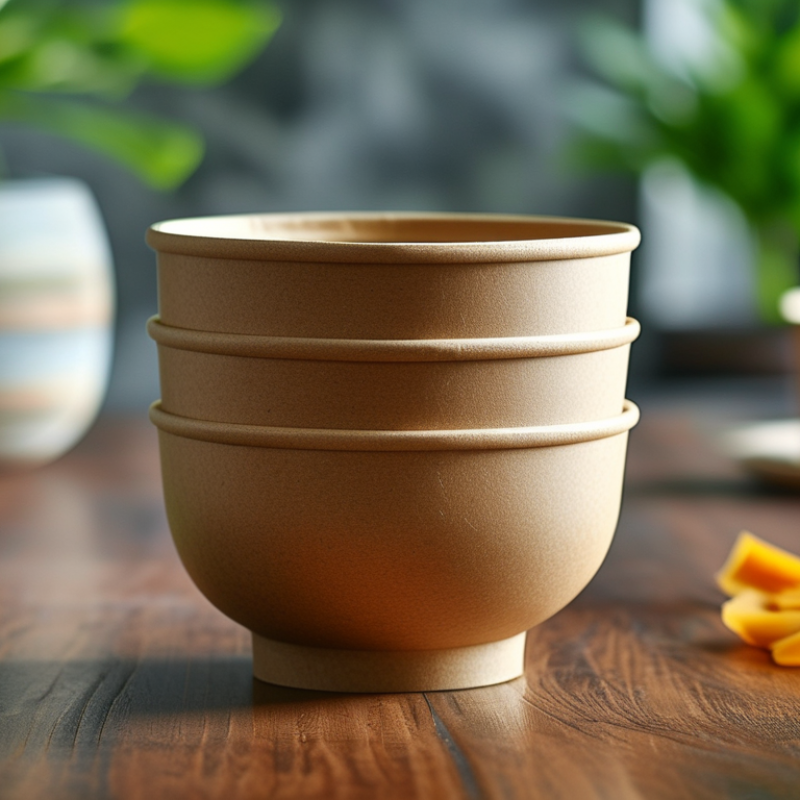
Top 10 Paper Bowl Forming Machines You Need to Know?

Overview of Paper Bowl Forming Machines

Paper bowl forming machines are crucial in the food packaging industry. They provide an efficient and eco-friendly solution for a wide range of foodservice applications. These machines convert paper into perfectly shaped bowls, catering to the growing demand for sustainable packaging. According to industry reports, the paper packaging market is expected to reach $500 billion by 2025, driven by the shift towards biodegradable materials.

The technology behind these machines has evolved significantly. Modern paper bowl forming machines integrate advanced automation and control systems. They enhance production efficiency, allowing manufacturers to produce thousands of bowls per hour. However, there are challenges in maintaining quality control. Variability in paper thickness and moisture content can impact the final product. Manufacturers need to implement rigorous testing protocols to address these issues.

In addition to production efficiency, environmental concerns are paramount. The industry is under pressure to minimize waste and energy consumption. Some machines have shown energy savings of up to 30%. Yet, achieving zero waste in bowl production remains an ongoing challenge. Continuous innovation and investment in R&D are essential to meet both economic and environmental goals in this growing sector.

Key Features to Consider When Choosing a Machine

When choosing a paper bowl forming machine, several key features stand out. First, look for the machine's production capacity. It should efficiently produce a high volume of bowls. Efficiency helps meet demand. You may need to balance speed with quality. Some machines can produce thousands of bowls per hour. However, higher speed doesn't always mean better quality.

Material compatibility is essential as well. Ensure the machine works well with various paper types. Different materials can affect the bowl's durability and texture. It’s crucial to test various materials for optimal results. User-friendly controls can make operation smoother. Machines with intuitive interfaces minimize errors and training time.

Tip: Always consider maintenance requirements. Machines that are easy to maintain save time and costs in the long run. Regular upkeep is vital for longevity. Look for models with accessible parts. Accessibility can help prevent downtime.

Don't overlook energy efficiency. Machines that consume less power reduce operational costs. However, features like energy-saving modes can be a double-edged sword. They may negatively impact production speed. Be prepared to evaluate trade-offs.

Top 10 Paper Bowl Forming Machines: Detailed Reviews

When exploring the top paper bowl forming machines, it’s essential to evaluate their features and efficiency. Machines vary greatly in speed and production capacity. Some can produce bowls at impressive rates, while others focus on precision. Understanding this distinction can inform your choice based on your production needs.

Tips: Prioritize machines that offer easy maintenance. Many users overlook this aspect, leading to costly downtime. Machines with accessible parts can save you time and effort in the long run.

It’s also crucial to consider energy efficiency. Some models consume more energy than others, impacting your overhead costs. Check for reviews on energy usage to make a well-informed decision. However, remember that the most expensive machines aren’t always the best fits for all businesses.

Tips: Research user feedback on reliability. Sometimes a machine not marketed as 'top-tier' can outperform more expensive versions. Assess real-world results from different industries to gauge performance effectively.

Comparative Analysis of Efficiency and Cost

When exploring paper bowl forming machines, efficiency and cost are key factors. An industry report from Smithers Pira indicates that the global demand for disposable tableware will rise to over $50 billion by 2026. This surge emphasizes the need for cost-effective production methods. Yet, many manufacturers struggle to find a balance between speed and quality.

One machine may produce 150 bowls per minute, which seems impressive. However, if the material waste is high, costs can skyrocket. A study published by ResearchAndMarkets shows that up to 15% of raw materials can be wasted in low-efficiency machines. This not only affects profit margins but also raises environmental concerns.

Many companies are reassessing their equipment choices to avoid these pitfalls.

Maintenance is another area often overlooked. Machines that require frequent repairs can lead to unexpected downtime. A 2021 survey revealed that over 30% of manufacturers reported losses due to equipment failures. The right machine must offer reliability alongside low operational costs. Reflecting on these elements can lead to better investment decisions in machine selection.

Maintenance Tips for Longevity of Paper Bowl Forming Machines

Maintaining paper bowl forming machines is crucial for their longevity. Regular upkeep can prevent costly repairs. The industry commonly reports that proactive maintenance can extend machine life by 30%. Machines that are neglected often deliver inconsistent product quality, leading to increased waste.

Daily cleaning of components is essential. This prevents buildup that could hinder performance. Lubrication of moving parts should also be part of the routine. Using the right type and amount of lubricant can enhance machine efficiency noticeably. According to a survey by the Paper Products Manufacturing Association, about 42% of companies do not follow proper maintenance schedules, resulting in significant downtime.

Operators should receive training on best practices. Untrained personnel can inadvertently cause damage. Monitoring machine performance metrics can identify issues before they escalate. Regularly scheduled inspections by professionals can detect wear and tear, which is often overlooked. The inattention here can lead to a false sense of security.

Top 10 Paper Bowl Forming Machines You Need to Know

Model Production Capacity (Bowl/min) Power Consumption (kW) Dimensions (mm) Weight (kg)
Model A 40 5.5 1500 x 800 x 1800 500
Model B 50 6.5 1400 x 850 x 1750 550
Model C 60 7.5 1600 x 900 x 1900 600
Model D 70 8.5 1550 x 850 x 1820 620
Model E 80 9.5 1650 x 950 x 2000 630
Model F 90 10.5 1700 x 1000 x 2050 650
Model G 100 11.5 1750 x 1100 x 2100 700
Model H 110 12.5 1800 x 1150 x 2150 720
Model I 120 13.5 1850 x 1200 x 2200 740
Model J 130 14.5 1900 x 1250 x 2250 760

Choose a global leader for your hydraulics solutions

How can we help you?

Call to 0034 943884600 Contact us
Call us Contact us

We use cookies to ensure that we give you the best experience on our website. If you continue without changing your settings, we'll assume that you agree to receive cookies on the HINE website. For more information read our cookie policy page, click the link for more information.plugin cookies

ACEPTAR
Aviso de cookies