

Top PVC Butterfly Valve Manufacturers for Global Buyers
Selecting the right pvc butterfly valve manufacturer can influence system safety, maintenance costs, and delivery reliability. Global buyers often compare suppliers by price, but that approach can miss important details. A valve may look identical in a product photograph, yet its sealing performance can differ significantly in real service. Material quality, pressure ratings, actuator compatibility, and testing procedures deserve close attention.
This guide examines leading PVC butterfly valve manufacturers serving international markets. It considers factory experience, production capacity, quality certifications, and technical support. Practical details matter. For example, EPDM seats may suit water applications, while PTFE can provide better chemical resistance. Buyers should also verify flange dimensions, operating temperatures, and available sizes before placing an order. A clear datasheet helps. So does a traceable inspection report.
Reliable manufacturers usually explain their testing methods instead of offering vague promises. They can provide samples, product drawings, and documented quality controls. Some also support customized handles, electric actuators, or pneumatic systems. These services can reduce installation problems at distant project sites. However, no ranking is perfect. Supplier performance may vary between factories, product lines, and export regions. Even experienced buyers can overlook after-sales response time or spare-part availability.
The following overview offers a practical basis for comparing manufacturers. It does not treat certification alone as proof of excellence. Real reliability appears through consistent products, honest communication, and performance after delivery. Small details often matter most.
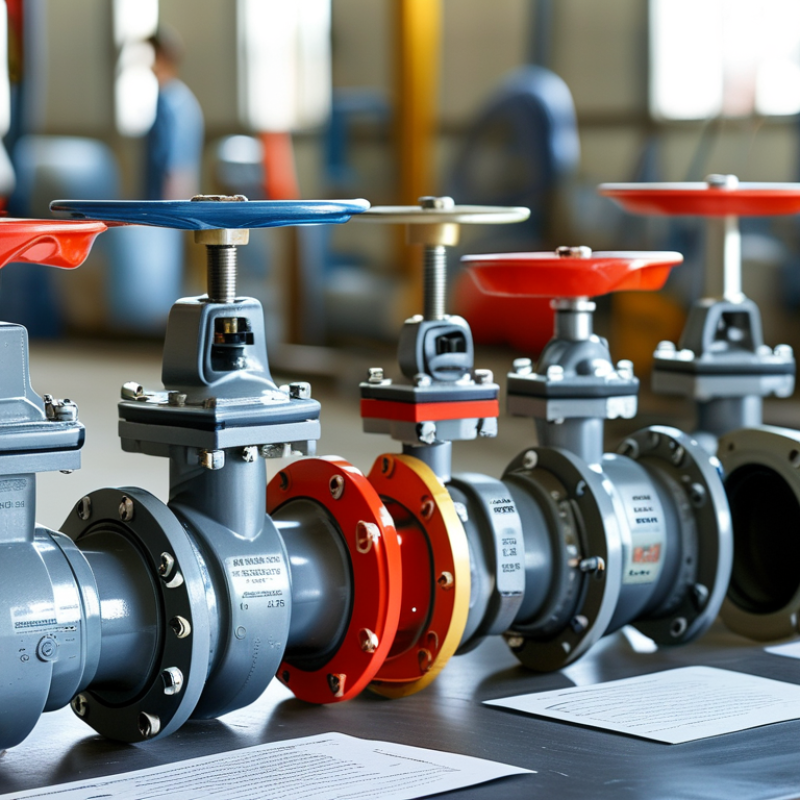
PVC Butterfly Valve Basics: DN50–DN600, PN10/PN16, and 0–60°C Service
PVC butterfly valves are practical for water, irrigation, and many mildly corrosive services. Common sizes run from DN50 to DN600. Their compact bodies reduce installation space and weight. However, size alone does not confirm suitability. The disc, seat, shaft, and connection pattern must match the pipeline design.
PN10 and PN16 indicate nominal pressure classes at reference conditions. They do not guarantee identical performance at every temperature. PVC usually serves well from 0°C to 60°C, but pressure capacity can decrease as temperature rises. At 60°C, a valve rated PN16 may require derating. I would never select it from pressure class alone. Fluid chemistry, flow speed, operating frequency, and flange alignment also matter. A small alignment error can increase seat wear.
Tips: Check the full temperature-pressure chart before ordering. Confirm DN dimensions and flange drilling with the existing pipework. For DN300–DN600 valves, review actuator torque and support requirements carefully. Keep the valve away from freezing conditions, because trapped water can damage the body. Ask for material certificates, pressure-test records, and installation instructions. Field conditions are often less tidy than drawings suggest.
| Nominal Size | Typical ISO Metric Pipe OD | Common Pressure Class | Recommended Service Range | Typical Valve Body | Typical Disc Material | Common Seat Material | Connection Configuration | Typical Applications | Key Buyer Verification |
|---|---|---|---|---|---|---|---|---|---|
| DN50 | 63 mm | PN10 / PN16 | 0–60°C; pressure derating required above 20°C | PVC-U or PVC-C | PVC-U, coated steel, or stainless steel | EPDM or FKM | Wafer or lug type; flanged installation | Water treatment, irrigation, and low-corrosion chemical lines | Confirm pipe OD, flange drilling, actuator torque, and pressure rating |
| DN65 | 75 mm | PN10 / PN16 | 0–60°C; pressure derating required above 20°C | PVC-U or PVC-C | PVC-U, coated steel, or stainless steel | EPDM or FKM | Wafer or lug type; flanged installation | Water distribution, aquaculture, and process drainage | Check metric pipe compatibility and flange standard |
| DN80 | 90 mm | PN10 / PN16 | 0–60°C; pressure derating required above 20°C | PVC-U or PVC-C | PVC-U, coated steel, or stainless steel | EPDM or FKM | Wafer or lug type; flanged installation | Filtration systems, cooling-water circuits, and pools | Verify face-to-face dimension and available operating torque |
| DN100 | 110 mm | PN10 / PN16 | 0–60°C; pressure derating required above 20°C | PVC-U or PVC-C | PVC-U, coated steel, or stainless steel | EPDM or FKM | Wafer or lug type; flanged installation | Industrial water, desalination pretreatment, and HVAC water | Confirm flange drilling such as EN 1092-1 or another required standard |
| DN125 | 140 mm | PN10 / PN16 | 0–60°C; pressure derating required above 20°C | PVC-U or PVC-C | PVC-U, coated steel, or stainless steel | EPDM or FKM | Wafer or lug type; flanged installation | Chemical dosing support lines and municipal water systems | Review chemical compatibility, seat formulation, and shaft sealing |
| DN150 | 160 mm | PN10 / PN16 | 0–60°C; pressure derating required above 20°C | PVC-U or PVC-C | PVC-U, coated steel, or stainless steel | EPDM or FKM | Wafer or lug type; flanged installation | Large water-treatment skids and industrial circulation systems | Confirm valve torque under maximum differential pressure |
| DN200 | 225 mm | PN10 / PN16 | 0–60°C; pressure derating required above 20°C | PVC-U or PVC-C | PVC-U, coated steel, or stainless steel | EPDM or FKM | Wafer or lug type; flanged installation | Main process-water headers and large filtration equipment | Check installation clearance, disc swing area, and actuator sizing |
| DN250 | 280 mm | PN10 / PN16 | 0–60°C; pressure derating required above 20°C | PVC-U or PVC-C | PVC-U, coated steel, or stainless steel | EPDM or FKM | Wafer or lug type; flanged installation | Bulk water transfer and non-abrasive industrial fluids | Verify maximum allowable pressure at the actual operating temperature |
| DN300 | 315 mm | PN10 / PN16 | 0–60°C; pressure derating required above 20°C | PVC-U or PVC-C | PVC-U, coated steel, or stainless steel | EPDM or FKM | Wafer or lug type; flanged installation | Municipal distribution, cooling systems, and treatment plants | Request pressure-temperature curves and certified test results |
| DN350 | 355 mm | PN10 / PN16 | 0–60°C; pressure derating required above 20°C | PVC-U or PVC-C | PVC-U, coated steel, or stainless steel | EPDM or FKM | Wafer or lug type; flanged installation | Large-scale water infrastructure and industrial utilities | Confirm structural support, flange alignment, and lifting requirements |
| DN400 | 400 mm | PN10 / PN16 | 0–60°C; pressure derating required above 20°C | PVC-U or PVC-C | PVC-U, coated steel, or stainless steel | EPDM or FKM | Wafer or lug type; flanged installation | Main distribution headers and high-flow treatment systems | Check pipe standard, flange drilling, face-to-face length, and torque data |
| DN450 | 450 mm | PN10 / PN16 | 0–60°C; pressure derating required above 20°C | PVC-U or PVC-C | PVC-U, coated steel, or stainless steel | EPDM or FKM | Wafer or lug type; flanged installation | High-volume water conveyance and industrial cooling loops | Confirm product availability, operating mechanism, and inspection scope |
| DN500 | 500 mm | PN10 / PN16 | 0–60°C; pressure derating required above 20°C | PVC-U or PVC-C | PVC-U, coated steel, or stainless steel | EPDM or FKM | Wafer or lug type; flanged installation | Water transmission mains and large-scale process systems | Review full-flow requirements, disc clearance, and actuator duty cycle |
| DN600 | 630 mm | PN10 / PN16 | 0–60°C; pressure derating required above 20°C | PVC-U or PVC-C | PVC-U, coated steel, or stainless steel | EPDM or FKM | Wafer or lug type; flanged installation | Large municipal networks, reservoirs, and water-treatment plants | Obtain verified dimensional drawings, pressure data, and installation instructions |
Choose a global leader for your hydraulics solutions
How can we help you?
Call to 0034 943884600 Contact us