Top Quality Deck Screws for Global Buyers How to Choose?
Choosing the right deck screw is crucial for any outdoor project. The quality of deck screws can significantly impact the durability and safety of structures like decks and patios. With various options available globally, buyers can easily feel overwhelmed. A trusted source of deck screws ensures the project withstands weather conditions and wear over time.
Consider factors such as material, coating, and thread design before making a decision. Stainless steel screws resist corrosion, while coated screws offer better protection for wood. Not all deck screws are created equal. Often, buyers overlook the importance of quality, which can lead to structural issues later.
Understanding your specific needs will help you choose the best deck screws. Researching suppliers and reading customer reviews can guide your choice. It's wise to evaluate the features that matter most for your projects. Emphasize quality and reliability to avoid potential regrets in the future.
Understanding Deck Screws: Types and Features
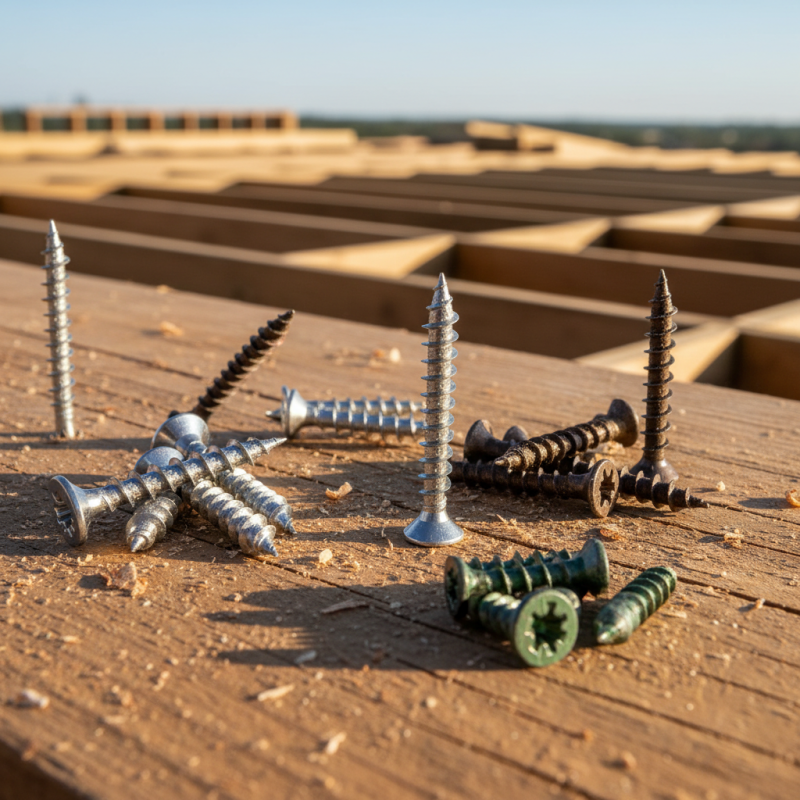
When selecting deck screws, understanding their types and features is crucial. Deck screws are designed for wood, but there are variations. Stainless steel screws resist corrosion, making them suitable for outdoor use. Coated screws are a cost-effective alternative, offering protection against the elements but may wear out faster.
It's essential to consider the screw length and diameter. Longer screws provide better holding power, especially for thicker materials. However, using excessively long screws can split the wood. The head type also matters; a bugle head can drive into the surface smoothly, while a square head can minimize stripping. fluted designs often aid in quick installation, saving time on the job.
Many buyers overlook the importance of thread design. A fine thread provides better grip in softer woods, while coarse threads excel in denser materials. Some users may struggle with choosing the right screws, leading to installation issues. Reflecting on personal experiences can greatly aid in making informed decisions based on specific project needs.
Factors to Consider When Choosing Deck Screws
When selecting deck screws, several crucial factors come into play. Material is key; choose screws made from corrosion-resistant materials like stainless steel or coated carbon steel. According to the Fastener Quality Act, the material affects durability and longevity significantly. Research indicates that the right material can increase the lifespan of your deck by up to 25%.
Another essential factor is the screw's thread design. A screw with deeper threads enhances grip and holding power, especially in softwoods. It’s beneficial for stability under various weather conditions. Some reports suggest that deck screws with a self-drilling tip can reduce installation time by 30%.
Tips: Always match the screw length to your decking thickness. Consider grabbing extra screws, as having spares can save time during installations. It’s also wise to consult local building codes, as regulations often dictate specific screw requirements. Forgetting these nuances can lead to costly mistakes. Pay attention to these details for a successful project.
Comparative Analysis of Deck Screws by Strength and Corrosion Resistance
This chart provides a comparative analysis of different types of deck screws based on their tensile strength and corrosion resistance. Steel screws exhibit moderate strength but lower resistance to corrosion, while stainless steel offers excellent strength and high resistance. Coated steel provides a balance, and aluminum is lighter but has the lowest strength.
Material Options for Durable Deck Screws
When selecting durable deck screws, material plays a crucial role. Stainless steel screws are a popular choice. They resist corrosion, making them ideal for outdoor use. These screws can withstand moisture and harsh weather conditions. However, stainless steel can be more expensive.
Another option is coated screws. These screws are often made from carbon steel and have a protective coating. This coating helps to resist rust and decay. While they may not last as long as stainless steel, they are a budget-friendly alternative. Homeowners should consider their local environment when choosing.
Aluminum screws are lightweight and do not rust. They are suitable for marine environments. However, they may not provide the same strength as other materials. Each type of screw has its pros and cons. Potential buyers should evaluate their specific needs carefully. There isn't a one-size-fits-all solution here.
Evaluating Thread Design and Length for Performance
When selecting deck screws, the thread design and length play a crucial role in performance. A well-designed thread can significantly improve the grip and holding power in various materials. Coarse threads are effective for softwoods, while finer threads work better in hardwoods. Proper selection boosts durability and prevents failures, which can lead to costly repairs.
Tip: Always consider the material of the deck when choosing screw threads. Each type has its unique properties, and the thread design should complement them for optimal performance.
Screw length is another essential factor. Longer screws provide better stability, but they can split some woods. Short screws are less likely to cause damage, but they may not hold as securely. Finding the right balance is vital. Often, multiple factors interact in ways that are not immediately apparent.
Tip: Experiment with both lengths on test pieces before finalizing your choice. This hands-on approach fosters better decision-making.
Being aware of these nuances allows buyers to make informed decisions. Tailoring your selection enhances project outcomes and ensures safety. The performance of deck screws greatly influences the success of any construction project. A thoughtful approach can lead to long-lasting results.
Top Quality Deck Screws for Global Buyers: How to Choose?
| Screw Type | Diameter (mm) | Length (mm) | Thread Design | Material | Coating | Price Range (USD) |
| Wood Screw | 4.0 | 50 | Coarse | Steel | Zinc Plated | 0.05 - 0.10 |
| Deck Screw | 5.0 | 80 | Fine | Stainless Steel | Epoxy Coated | 0.15 - 0.30 |
| Concrete Screw | 6.0 | 100 | Aggressive | Carbon Steel | Hot-Dipped Galvanized | 0.20 - 0.40 |
| Self-Tapping Screw | 4.5 | 60 | Variable | Aluminum | Anodized | 0.10 - 0.25 |
Cost vs. Quality: Finding the Best Deck Screws for Your Project
When selecting deck screws, balancing cost and quality is crucial. Research shows that high-quality screws can enhance the durability of your project. The International Association of Certified Home Inspectors found that inferior screws fail sooner. This often leads to costly repairs over time.
Choosing the right material matters. Stainless steel screws resist rust, making them ideal for outdoor use. According to the Construction Specifications Institute, using the wrong material can reduce the lifespan of your deck by over 30%. However, these premium screws come at a higher initial cost. The trade-off between initial investment and lifespan is significant.
Installation is another factor to consider. Quality screws often feature advanced threading designs, allowing for easier handling and reduced stripping. The American Wood Council notes that improper installation can compromise the entire structure. Even with lower-priced options, the end result can disappoint if they don’t perform well. Reflecting on your unique needs will guide you toward the right choice.