Why Choose OEM Hydraulic Cylinder Parts?
Choosing OEM hydraulic cylinder parts is often less about brand preference and more about controlling risk. In demanding equipment, a cylinder must match the original bore, rod diameter, stroke, mounting points, and pressure rating. Even a small dimensional difference can create leakage, uneven movement, or premature wear. Experienced maintenance teams inspect these details before ordering. They also compare operating temperature, fluid compatibility, load cycles, and contamination levels. A seal that works in clean indoor machinery may fail quickly on a dusty construction site. That practical context matters.
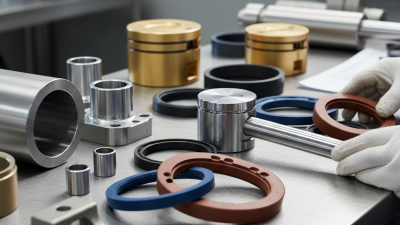
OEM hydraulic cylinder parts are designed around the manufacturer’s original engineering data. Their seals, bushings, piston assemblies, and wear components usually follow tested material specifications. This can simplify installation and reduce adjustments during repair. It may also support clearer documentation, traceability, and warranty discussions. The result is not merely a replacement part. It is a more predictable maintenance decision. Still, OEM is not automatically the best choice for every application. Prices can be higher, availability may be limited, and older equipment may need careful verification. That is where professional judgment becomes essential. A qualified technician should confirm the part number, inspect the cylinder condition, and review the machine’s actual duty cycle. Assumptions can be costly. Reliable sourcing also means checking packaging, manufacturer identification, and technical records before installation. With these steps, buyers can balance fit, performance, service life, and budget more responsibly.
What OEM Hydraulic Cylinder Parts Are and How They Differ
Why Choose OEM Hydraulic Cylinder Parts?
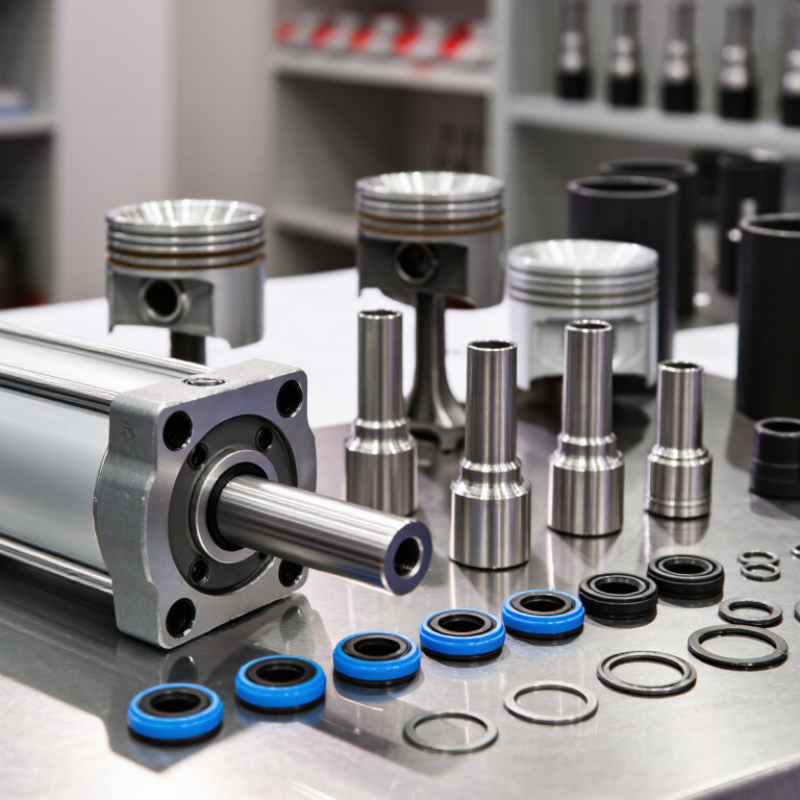
OEM hydraulic cylinder parts are components made to the original equipment manufacturer’s specifications. They match the cylinder’s bore, rod diameter, mounting points, ports, and operating pressure. This design relationship separates them from many generic replacement parts.
In field repairs, a seal can look correct yet fail after a few operating cycles. Small errors matter. An OEM seal usually matches the original groove profile, material grade, and temperature range. A piston rod also requires accurate surface hardness and finish. These details help control leakage, friction, and premature wear.
OEM parts often include documented dimensions, material information, and inspection records. That traceability supports safer maintenance decisions and clearer service planning. However, OEM does not automatically mean perfect for every situation. Older equipment may have changed operating conditions, and the original specification may no longer fit the actual workload.
A technician should check pressure, fluid type, stroke length, and alignment before ordering. That assumption fails. Careful measurement still matters. When the part matches both the machine and its present conditions, installation becomes more predictable, with fewer adjustments beside the equipment.
The Role of OEM Materials, Engineering, and Manufacturing Standards
Why Choose OEM Hydraulic Cylinder Parts?
OEM hydraulic cylinder parts are built around the original cylinder’s dimensions, load profile, and operating pressure. That relationship matters. A piston seal may look correct, yet a small difference in hardness can cause leakage, heat, or uneven movement. ISO 4413 stresses controlled design, cleanliness, and risk reduction in hydraulic systems. OEM manufacturing standards turn those principles into repeatable production checks.
Material selection is equally important.
Hardened rod surfaces resist scoring, while compatible seal compounds tolerate pressure, temperature, and fluid exposure. The U.S. Department of Energy notes that hydraulic systems can lose 30% or more of input energy through inefficiency and poor maintenance. Correct parts cannot remove every loss, but they can reduce bypass leakage and premature wear. Small gains matter.
Engineering records also support traceability.
Batch numbers, dimensional inspections, and pressure tests help technicians identify failure patterns instead of guessing. Industry maintenance studies often report that unplanned downtime represents a major share of equipment cost, sometimes exceeding 20% of operating time in aging assets. Figures vary by sector, so they deserve careful review. Still, field experience shows a practical truth: a cheaper substitute may fit today, but not survive tomorrow. Even OEM parts need correct installation, clean oil, and scheduled inspection.
How OEM Components Improve Hydraulic Performance and Reliability
Why Choose OEM Hydraulic Cylinder Parts?
OEM hydraulic cylinder parts improve performance because they preserve the original design relationship between seals, rods, pistons, and pressure chambers. Each component matches the cylinder’s specified bore, stroke, material, and tolerance. Fit matters. A replacement seal that looks identical may still create friction, bypass leakage, or early wear. In field maintenance, I have seen a minor rod mismatch produce oil film damage within weeks. Small errors compound.
Reliable sealing also protects efficiency. A widely cited Noria reliability study attributes about 70% of hydraulic failures to contamination. OEM parts normally follow the intended surface finish and sealing geometry. They also support cleaner assembly practices and easier traceability. ISO 4406 cleanliness codes help technicians measure fluid contamination consistently. This matters when a cylinder operates near maximum pressure or repeats thousands of cycles daily. However, OEM is not automatically perfect. Incorrect storage, poor installation, and contaminated oil can defeat a precisely made component. That assumption needs testing.
Tips:
Confirm the cylinder model, pressure rating, stroke, rod diameter, and seal material before ordering. Clean the bore and tools before installation. Record ISO 4406 fluid cleanliness readings during inspection. Check rod straightness and surface damage, not only seal condition. A 2023 industrial maintenance survey from Plant Engineering reported that unplanned downtime remains a major cost driver, so replacing one failed seal without finding its cause may only delay another stoppage. Performance should be verified through leakage checks, cycle testing, and temperature monitoring.
When OEM Hydraulic Cylinder Parts Offer the Best Value
Why Choose OEM Hydraulic Cylinder Parts?
When OEM Hydraulic Cylinder Parts Offer the Best Value
OEM hydraulic cylinder parts offer the best value when equipment reliability matters more than the lowest purchase price. Their dimensions, seals, ports, and materials match the original cylinder design. This reduces fitting problems during maintenance. It also helps technicians work from known specifications instead of guessing.
In field repairs, a correct piston seal can prevent hours of leakage testing. A matching rod may restore smooth movement under heavy loads. OEM parts usually include documented tolerances and inspection requirements. These details support safer installation and more consistent performance. Less downtime matters. Production losses can exceed the part’s price quickly.
Still, OEM is not automatically better. That assumption deserves checking. A damaged cylinder may have alignment issues, contamination, or worn mounting points. Replacing one component alone may not solve the real failure. Experienced technicians inspect the complete assembly before ordering parts. They compare operating pressure, temperature, load cycles, and fluid type. This practical review avoids expensive repeat repairs.
OEM value becomes clearer when failure consequences are high. Consider lifting systems, compactors, or material-handling equipment. A poorly matched part may cause uneven motion, premature wear, or unexpected shutdowns. Reliable suppliers should provide traceable documentation and clear technical support. That evidence builds trust. The decision should reflect service history, repair access, and expected equipment life, not price alone.