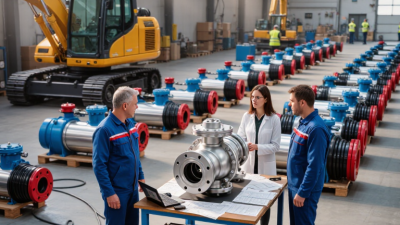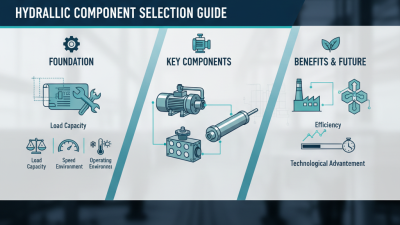

Choosing the right fluid power hydraulics begins with the machine, not the catalog.
A compact excavator, injection press, and factory clamp demand different pressure, flow, response, and durability. John C. Cundiff, author of Fluid Power Circuits and Controls, explains: “Fluid power is the technology that uses pressurized fluid to transmit and control power.” That definition matters on the workshop floor. A pump may deliver 100 liters per minute, yet an undersized valve can restrict movement and generate unnecessary heat. The numbers must work together.
Start with the load.
Measure the required force, speed, duty cycle, operating temperature, and available space. Then examine the fluid, filtration level, hose routing, seals, and maintenance access. A cylinder that moves smoothly during a five-minute test may behave poorly after eight hours of cycling. Dirt in the oil can damage a precision valve before the operator notices a problem. Small details decide reliability.
Do not choose the highest-rated component automatically. Excess capacity can increase cost, energy loss, and control difficulty. Review manufacturer curves, ISO 4413 safety guidance, service records, and real operating conditions. Experienced engineers also question their assumptions. Was the pressure measured at the actuator, or only at the pump outlet? Is the quoted flow theoretical? These gaps are easy to miss.
The right fluid power hydraulics solution balances performance, safety, efficiency, availability, and long-term serviceability. It should fit the machine today and remain understandable when something fails tomorrow. That is the practical standard this guide will explore.
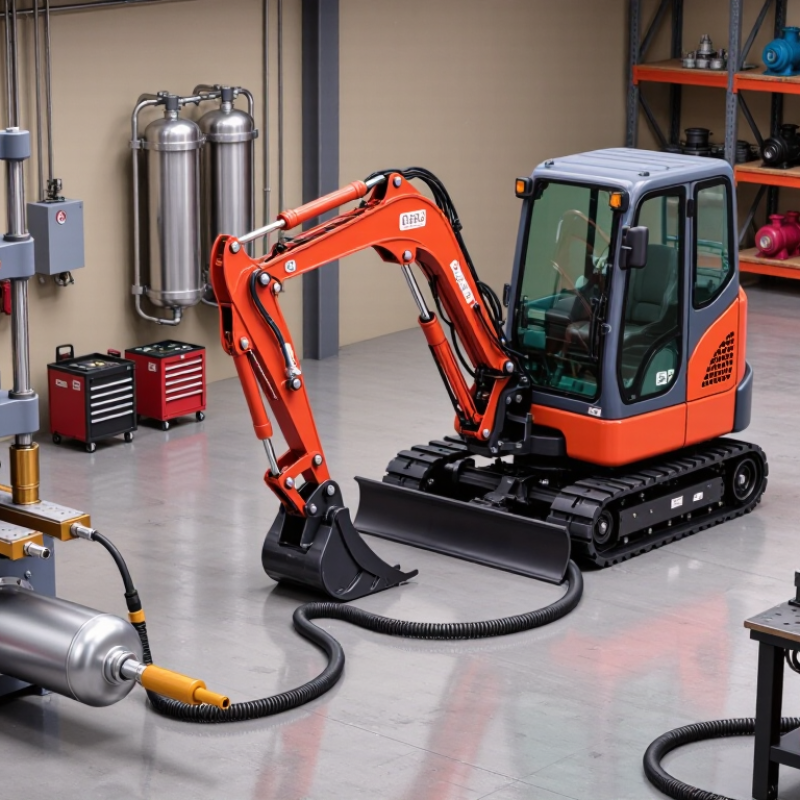
Fluid power hydraulics uses pressurized liquid to transmit force through pumps, valves, actuators, and pipelines.
The basic principle is simple: pressure acts on area to create motion. Flow controls speed, while pressure controls force. This distinction matters when choosing equipment.
A cylinder that moves slowly may need more flow, not higher pressure.
Increasing pressure alone can raise heat, leakage, and safety risks.
The global hydraulic equipment market was valued at about USD 49.4 billion in 2023, according to Grand View Research, which projects continued growth through 2030.
MarketsandMarkets also estimates steady expansion, driven by construction, manufacturing, and mobile machinery.
These figures show demand, not guaranteed performance. Selection still begins with the working load, cycle time, ambient temperature, fluid type, and available space. Write those values down.
Check the circuit’s real operating conditions. A dusty workshop, cold outdoor site, or frequent shock load can change the choice.
ISO 4413 emphasizes safe design, pressure control, cleanliness, and maintenance. Practical inspections often reveal a weak point: contamination entering through poor storage or open fittings.
I would not choose a valve by pressure rating alone. That shortcut feels efficient, but it can hide flow losses and unstable motion.
Leave room for measurement. Temperature logs, pressure readings, and filter condition usually explain more than a catalogue description.
Even experienced engineers revise their first choice after observing the machine under load.
Choosing the right fluid power hydraulics begins with a precise definition of the work. A hydraulic system should be sized for real loads, not optimistic estimates. Record required force, movement speed, positioning accuracy, and operating frequency. Keep them measurable.
Pressure and flow must be considered together. High pressure may deliver force, but insufficient flow can make movement painfully slow. Note the peak load, average load, and pressure spikes during starting or stopping. A relief setting should protect the circuit without masking an undersized component. I have seen systems fail because designers calculated working pressure but ignored acceleration forces.
Operating conditions often decide the design. Measure ambient temperature, fluid temperature, and expected viscosity range. Dust, moisture, vibration, and limited installation space also affect component selection. Contamination control deserves attention, especially where valves have tight clearances. Clean fluid matters.
The duty cycle should reflect actual use. A machine running for ten seconds every hour needs different cooling than one working continuously. Estimate heat generation and provide suitable filtration, reservoir capacity, and cooling. Leave a sensible safety margin, but avoid excessive oversizing; it can increase cost, energy loss, and control difficulty. This part is easy to overlook.
Before approval, verify the assumptions with field measurements or a controlled test. Check cylinder force, cycle time, oil temperature, and noise under load. A neat calculation can still be wrong when conditions change. Revisit the design when the machine’s workload changes.
Hydraulic performance depends on matching components with the working fluid. A pump may deliver the required flow, yet unsuitable viscosity can cause heat, leakage, or slow movement. Check the pump, valves, cylinders, hoses, and seals as one system. Not separately.
Mineral-based fluids are common because they offer balanced lubrication and cost. Water-based options can improve fire resistance, but they may require compatible metals, coatings, and seals. Biodegradable fluids support environmentally sensitive operations, although their oxidation behavior and storage needs deserve careful review. Always compare the fluid supplier’s data with the component manufacturer’s pressure and temperature limits. Never rely only on a familiar fluid.
Temperature changes matter. Cold fluid moves slowly through narrow passages, while overheated fluid loses viscosity and accelerates seal wear. I have seen systems blamed on weak pumps when contaminated fluid was the real problem. Cleanliness is not a minor detail. Use suitable filtration, sample the fluid periodically, and inspect unusual noise, foaming, or cloudy appearance. A practical selection also considers maintenance skills, refill availability, disposal rules, and the cost of replacing damaged components. Sometimes the technically ideal fluid is impractical in the field. That deserves honest reconsideration.
Performance should match the machine’s real working conditions, not only its advertised pressure. Check flow rate, operating pressure, cycle frequency, load changes, and ambient temperature. A pressure gauge should remain stable during normal operation. Sudden spikes may reveal undersized valves, restricted lines, or incorrect settings. Cylinder speed also matters. A system that moves too quickly can damage components and reduce operator control.
Safety begins with controlled energy. Select hoses, fittings, and valves with suitable pressure ratings and protective margins. Inspect hose covers for abrasion, swelling, cuts, and exposed reinforcement. Keep hands away from suspected leaks. A small hydraulic leak can penetrate skin and require urgent medical treatment. Use guards around moving parts, clear lockout procedures, and a properly adjusted relief valve. Labels help, but training matters more.
Maintenance needs should influence every selection. Choose accessible filters, visible fluid-level indicators, and components that technicians can replace without dismantling half the machine. Record oil temperature, filter condition, noise, and leakage during inspections. I have seen teams replace a pump when a blocked filter caused the real problem. That mistake was expensive. Maintenance records can expose repeating faults, although they are often incomplete. Leave room for human error. A practical system is easier to inspect consistently than a technically impressive one. Check the manual, verify measurements, and question unusual readings before approving the design.
How to Choose the Right Fluid Power Hydraulics?
Selecting the Best Hydraulic Solution for Your Application
The best hydraulic solution begins with the machine’s real working conditions. Define pressure, flow rate, speed, load, temperature, and duty cycle. A compact actuator may need steady force, while a mobile system may face vibration, dust, and sudden impacts. Do not size components from pressure alone. Flow controls speed, and both values affect heat generation.
In field inspections, I have seen oversized pumps waste energy through unnecessary throttling. I have also seen undersized hoses create pressure loss and slow movement. Measure hose length, port size, oil viscosity, and ambient temperature before choosing components. Check filtration carefully. Small contamination can damage valves and shorten service life.
Reliability improves when the design follows recognized hydraulic safety practices, including ISO 4413 guidance. Select cylinders, pumps, valves, seals, and reservoirs as one connected system. Leave reasonable capacity for peak demand, but avoid excessive margins that increase cost and heat. Maintenance access matters too. A filter hidden behind a frame may look efficient on paper, yet become difficult to replace.
Ask operators about unusual noise, jerky motion, and temperature changes. Their experience often reveals problems that calculations miss. No selection method is perfect. Recheck assumptions after testing, especially when the machine behaves differently under real loads. The quietest system is not always the best one. The safest choice is usually the one that remains predictable, serviceable, and stable.
How can we help you?
Call to 0034 943884600 Contact usWe use cookies to ensure that we give you the best experience on our website. If you continue without changing your settings, we'll assume that you agree to receive cookies on the HINE website. For more information read our cookie policy page, click the link for more information.plugin cookies
ACEPTAR