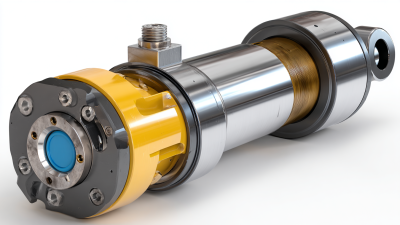

2026 Top Hydraulic Cylinder Parts for Global Buyers

The 2026 market for hydraulic cylinder parts is becoming more demanding. Global buyers now expect reliable performance, traceable materials, and practical technical support. A cylinder may look simple from outside. Inside, a small seal failure can stop a loader, press, or agricultural machine.

This guide examines key hydraulic cylinder parts, including piston rods, barrel tubes, pistons, seals, wear rings, glands, clevises, and position sensors. It considers pressure ratings, surface finish, corrosion resistance, interchangeability, and maintenance access. ISO 6020/2 and ISO 6022 dimensions can help buyers compare products, but standards alone do not guarantee suitability. Application data still matters.

Peter Nachtwey, a recognized hydraulic controls specialist, has often stressed, “Reliability begins with controlling contamination.” That practical observation remains important in 2026. Clean oil, correct filtration, accurate machining, and proper assembly can extend component life. Experience in workshops also reveals uncomfortable details. A cheaper rod may develop scoring after repeated side loading. A familiar seal may fail when temperature and fluid chemistry change.

This overview aims to support informed purchasing rather than promote one universal solution. No shortlist is perfect. Buyers should verify drawings, tolerances, certificates, test records, warranty terms, and regional service capability before ordering. Suppliers should explain limitations clearly. That builds trust.

The following sections compare leading hydraulic cylinder parts for construction, mining, manufacturing, agriculture, and mobile equipment. Attention stays on measurable quality, documented performance, and realistic operating conditions. The strongest choice is not always the most expensive part. It is the part that matches the cylinder, environment, duty cycle, and maintenance plan.
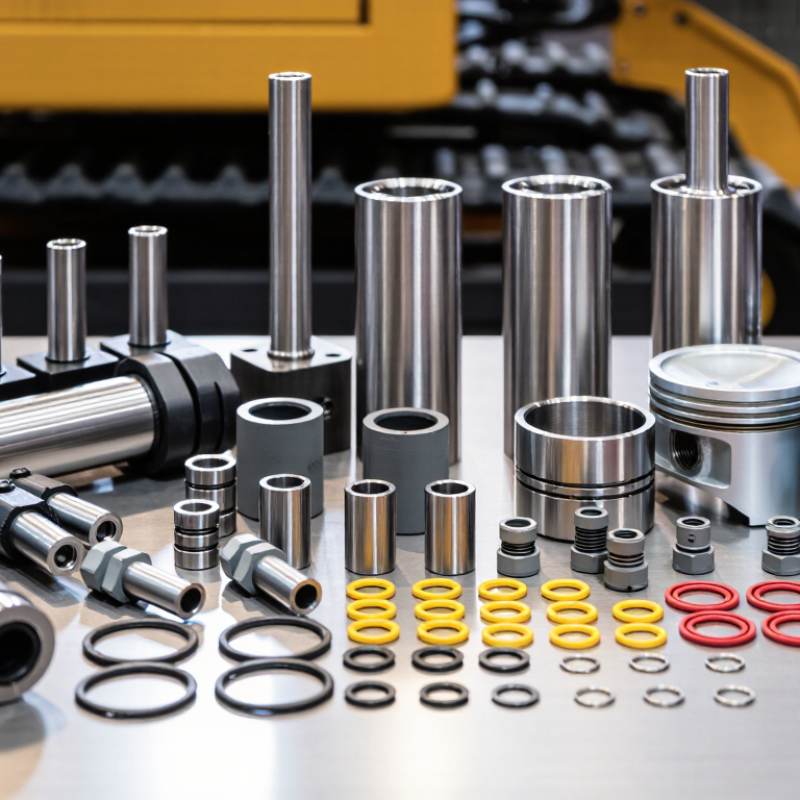
2026 Top Hydraulic Cylinder Parts for Global Buyers

Hydraulic Cylinder Parts: Functions, Types, and Basic Terminology

Hydraulic Cylinder Parts: Functions, Types, and Basic Terminology

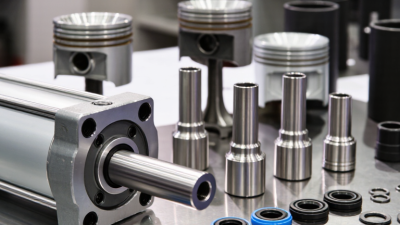
Hydraulic cylinders convert pressurized fluid into controlled linear force. The barrel holds fluid, while the piston separates pressure chambers. A piston rod transfers motion to the machine. Seals prevent leakage, and the gland guides the rod during movement. Key terms include bore, stroke, working pressure, and rod diameter. Bore controls force capacity. Stroke defines travel length. Pressure ratings require careful verification. Grand View Research reported that the global hydraulic cylinder market was valued at about USD 14.7 billion in 2023, with continued growth expected through 2030. That demand increases the need for correctly matched replacement parts.

Cylinder types suit different working conditions. Single-acting cylinders use pressure in one direction and return through gravity or an external spring. Double-acting cylinders use fluid on both sides of the piston. Tie-rod designs support maintenance access, while welded cylinders offer compact construction. Telescopic cylinders provide long travel from limited installation space.

Ports, cushions, wear rings, and retaining rings also affect performance. ISO 4413 emphasizes safe hydraulic-system design, including pressure control and hose protection. In field inspections, damaged rod surfaces often appear minor, but they can quickly destroy new seals. I once underestimated this detail. That was a poor assumption. Buyers should compare material, seal compatibility, mounting style, operating temperature, and duty cycle before ordering. Part numbers alone may not reveal critical dimensional differences.

Key Materials and Manufacturing Standards for Cylinder Components

2026 Top Hydraulic Cylinder Parts for Global Buyers

Hydraulic cylinder reliability starts with material selection, not packaging. Honed tubes commonly use E355 or similar precision steel, providing a smooth bore and stable wall thickness. Rods often use 42CrMo4 or equivalent alloy steel for higher strength. Hard chrome plating improves wear resistance, but surface preparation and coating thickness require close inspection.

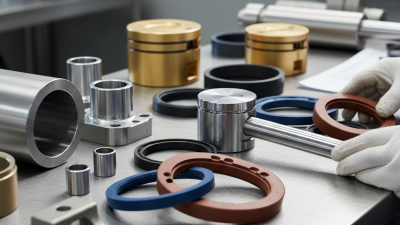
Seal materials must match pressure, temperature, and fluid type. Polyurethane suits many dynamic applications, while NBR works well with common mineral oils. FKM may support higher temperatures, but it costs more and is not automatically better. Piston and gland components need suitable steel or ductile iron grades, with accurate machining around grooves and bearing surfaces. Small dimensional errors can cause large leakage problems.

Manufacturers should align designs with recognized standards, such as ISO 6020/2 or ISO 6022, when applicable. Buyers should request material certificates, hardness data, coating reports, and pressure-test records. Traceability matters. Each critical part should connect to a batch and inspection result. Clean assembly areas also reduce early seal damage. A perfect checklist still misses field conditions. Dust, side loading, and poor mounting can shorten service life, even when components meet specifications. My practical view is simple: verify the standard, inspect the actual surface, and question any certificate that lacks measurable details.

2026 Top Hydraulic Cylinder Parts for Global Buyers - Key Materials and Manufacturing Standards for Cylinder Components

Cylinder Component Primary Function Common Material Options Typical Manufacturing and Surface Requirements Relevant Standards or Guidelines Key Buyer Inspection Points
Cylinder Tube Contains pressurized hydraulic fluid and guides the piston assembly. Seamless or welded carbon steel; stainless steel for corrosive environments. Precision honed or roller-burnished internal bore; controlled roundness, straightness, and surface finish; corrosion protection on the outside when required. ISO 6020/1, ISO 6020/2, and ISO 6022 for applicable metric cylinder dimensions and mounting interfaces; ISO 4413 for hydraulic-system safety principles. Material certificate, bore size, wall thickness, internal surface finish, roundness, straightness, pressure rating, and cleanliness.
Piston Rod Transfers hydraulic force to the external machine mechanism. Medium-carbon or alloy steel; stainless steel for high-corrosion service. Precision ground or polished; hard chrome plating, electroless nickel, or other specified protective coatings; controlled hardness and coating adhesion. ISO 6020/2 and ISO 6022 where applicable; ISO 21920 for surface-texture specification and evaluation; coating requirements should be contractually defined. Rod diameter, straightness, surface roughness, coating thickness, plating continuity, corrosion resistance, thread accuracy, and impact damage.
Piston Separates the two fluid chambers and converts pressure into linear force. Carbon steel, alloy steel, ductile iron, or aluminum alloy for weight-sensitive applications. CNC-machined sealing grooves; wear surfaces may be treated or fitted with wear rings; balanced geometry to reduce side loading. ISO 6020/2 and ISO 6022 for relevant cylinder designs; ISO 3601 for compatible O-ring groove and seal dimensions where applicable. Outside diameter, groove dimensions, concentricity, piston-to-tube clearance, thread or nut locking method, and material condition.
Piston Seal Prevents internal leakage between the piston and cylinder tube. Polyurethane, nitrile rubber, hydrogenated nitrile rubber, fluorocarbon rubber, or PTFE-based compounds. Profile selected according to pressure, speed, temperature, fluid, and extrusion gap; sealing lips must be free from cuts and molding defects. ISO 3601 for O-rings where used; ISO 6194 series may apply to rotary-shaft seals, while hydraulic piston-seal profiles require application-specific validation. Compound identification, hardness, temperature range, fluid compatibility, extrusion resistance, compression set, and dimensional conformity.
Rod Seal Controls leakage at the moving rod exit and retains hydraulic fluid under pressure. Polyurethane, PTFE compounds, nitrile rubber, hydrogenated nitrile rubber, or fluorocarbon rubber. Dynamic sealing profile matched to rod finish, reciprocating speed, pressure peaks, and contamination conditions. ISO 3601 for O-ring elements where applicable; seal design and validation should follow the cylinder duty specification. Seal profile, material batch, lip condition, pressure rating, low-temperature flexibility, leakage test results, and installation dimensions.
Guide Ring or Wear Ring Supports the piston or rod and limits metal-to-metal contact. Glass-fiber-filled polyester, PTFE composites, reinforced thermoplastics, or bronze-based materials. Low-friction material with controlled radial clearance; split or scarf-cut designs may be used for installation. Application-specific design; dimensional interfaces should be documented according to the cylinder drawing and seal manufacturer’s technical requirements. Compressive strength, wear resistance, clearance, split geometry, thermal compatibility, and resistance to hydraulic-fluid swelling.
Head or Gland Supports the rod, houses rod seals and wipers, and closes one end of the tube. Machined carbon steel, alloy steel, ductile iron, or aluminum alloy. Precision-machined seal bores and guide surfaces; threaded, bolted, welded, or retained construction according to service requirements. ISO 6020/2 and ISO 6022 where applicable; ISO 4413 for safe hydraulic-system design and maintenance provisions. Bore concentricity, seal-groove dimensions, thread quality, mounting interface, pressure boundary integrity, and corrosion protection.
End Cap or Base Closes the opposite end of the cylinder and may include ports or mounting features. Carbon steel, alloy steel, ductile iron, or stainless steel. Machined sealing faces and ports; welded constructions require qualified welding procedures and inspection. ISO 6020/2 and ISO 6022 for applicable cylinder interfaces; ISO 15614-1 and ISO 9606-1 may apply to qualified welding procedures and welders. Port size and thread, weld quality, dimensional alignment, pressure test performance, sealing surface condition, and mounting accuracy.
Static Seals and O-Rings Seal stationary joints between caps, tube, ports, and internal components. Nitrile rubber, hydrogenated nitrile rubber, fluorocarbon rubber, ethylene-propylene rubber, or PTFE encapsulated designs. Correct groove fill, squeeze, stretch, and surface finish are required; seals should be protected from twisting and cutting during assembly. ISO 3601 for O-ring dimensions, tolerances, and quality requirements. Size designation, compound, hardness, batch traceability, groove compatibility, temperature range, and fluid compatibility.
Rod Wiper or Scraper Removes dirt, moisture, and abrasive particles from the retracting rod. Polyurethane, nitrile rubber, fluorocarbon rubber, or PTFE-based materials. Scraper lip designed for contamination control without excessive rod friction; suitable interference and housing fit are essential. Application-specific hydraulic sealing requirements; dimensional details should be controlled by the approved component drawing. Lip geometry, housing fit, abrasion resistance, temperature range, rod compatibility, and resistance to environmental contaminants.
Rod End and Mounting Hardware Connects the cylinder to the driven mechanism and transfers load. Alloy steel, carbon steel, ductile iron, or stainless steel depending on load and environment. Threaded, clevis, spherical-eye, flange, trunnion, or cross-tube designs; load-bearing surfaces require accurate alignment and suitable hardening where specified. ISO 6020/2 and ISO 6022 for applicable mounting dimensions; ISO 898-1 may apply to carbon-steel and alloy-steel fastener mechanical properties. Thread class, pin-hole diameter, hardness, tensile strength, alignment, weld integrity, load rating, and anti-loosening method.
Hydraulic Ports and Fittings Provide controlled fluid entry and exit while maintaining pressure integrity. Carbon steel, stainless steel, or ductile iron with suitable protective finishes. Accurate port threads, clean internal passages, deburred edges, and sealing faces compatible with the specified connection system. ISO 1179, ISO 6149, ISO 6162, or ISO 8434 may apply depending on the selected metric port or fitting interface. Thread standard, port size, pressure rating, sealing method, cleanliness, burr removal, dimensional gauge results, and leakage performance.
Retaining Rings, Nuts, and Fasteners Secure pistons, glands, covers, seals, and mounting components during operation. Hardened carbon steel, alloy steel, stainless steel, or spring steel. Controlled thread engagement, locking arrangement, heat treatment, and protective finish; critical fasteners require defined tightening torque. ISO 898-1 for mechanical properties of carbon-steel and alloy-steel fasteners; applicable thread standards should be stated on drawings. Strength class, hardness, thread gauge results, torque requirements, locking method, corrosion protection, and traceability.
Cylinder Assembly and Testing Ensures the completed cylinder operates safely without unacceptable leakage or binding. Materials are verified against component certificates and the approved technical specification. Controlled assembly cleanliness, correct seal installation, air bleeding, functional cycling, pressure testing, and documented final inspection. ISO 10100 for hydraulic fluid power cylinders: acceptance tests; ISO 4413 for general hydraulic-system safety principles. Rated-pressure test, leakage inspection, stroke and retracted length, operating force, smooth movement, port cleanliness, paint or coating condition, and inspection report.

Note: Material grades, dimensions, pressure ratings, tolerances, seal compounds, and test pressures must be confirmed against the approved engineering drawing, application conditions, and purchase specification.

How to Select Rods, Seals, Pistons, and Other Critical Parts

2026 Top Hydraulic Cylinder Parts for Global Buyers

How to Select Rods, Seals, Pistons, and Other Critical Parts

A hydraulic cylinder performs only as well as its weakest part. Select rods by diameter, steel grade, surface hardness, and straightness. A polished chrome surface reduces seal wear and resists moisture damage. Check the rod’s measured diameter, not only the catalog value. Small deviations can create leakage under high pressure.

Seals require closer attention than many buyers expect. Match the seal material with pressure, temperature, fluid type, and operating speed. Polyurethane suits many general systems, while other compounds handle heat or aggressive fluids better. Inspect the lip geometry and backup ring before installation. A seal that looks correct may still fail inside a scratched groove. Keep spare seals in sealed packaging, away from sunlight.

Pistons must match the bore, pressure rating, and expected side loading. Measure piston clearance with calibrated tools, especially when the cylinder will cycle continuously. Add wear rings when alignment is imperfect or the load is heavy. Inspect the gland, guide bushings, retaining hardware, and ports as one assembly. I once treated a worn guide as a minor issue; the new seal failed early. That mistake was expensive. Request material certificates, dimensional reports, pressure-test records, and clear drawings from suppliers. Packaging also matters. Rods need protected ends, while machined parts need corrosion-resistant wrapping during long international transport. Test samples before approving a large order.

Compatibility, Sizing, and Performance Factors for Global Buyers

2026 Top Hydraulic Cylinder Parts for Global Buyers

Compatibility begins with accurate measurements, not a familiar product name. Check the bore, rod diameter, stroke, retracted length, mounting style, and port position. A two-millimeter error can prevent installation or create dangerous misalignment. Confirm the hydraulic fluid, operating pressure, temperature range, and seal material before ordering replacement parts.

Sizing also depends on real working conditions. Calculate force from bore area and pressure, then review rod buckling under compression. Side loads can damage guides, seals, and polished rods, even when rated pressure appears acceptable. For mobile equipment, inspect clevis pins, spherical bearings, and mounting brackets for uneven wear. Small wear marks often explain repeated seal failures.

Global buyers should request dimensional drawings, material details, pressure-test records, and batch traceability. Thread standards and port forms must match the existing system, especially across different regions. Packaging deserves attention too; exposed machined surfaces may corrode during long sea transport. In practice, catalog dimensions are not always enough. Measuring the installed cylinder is safer, although access may be inconvenient. I have seen otherwise correct parts fail because the retracted length was overlooked. Leave clearance for hoses, maintenance tools, and thermal expansion. Performance is never only about pressure. It also depends on alignment, lubrication, cleanliness, and installation discipline.

Quality Inspection, Certification, and Supplier Evaluation Criteria

2026 Top Hydraulic Cylinder Parts for Global Buyers

Quality inspection should begin with the part, not the supplier’s brochure. For rods, buyers should verify straightness, surface hardness, chrome thickness, and corrosion resistance. Tube bores need dimensional checks, roughness readings, and documented material certificates. Seal kits deserve equal attention. Incorrect compound selection can cause swelling, leakage, or rapid wear in cold climates. Measure the rod. Then test the assembly.

ISO 10100 provides guidance for hydraulic cylinder acceptance testing, while ISO 6020/2 supports dimensional consistency for selected cylinder designs. The ISO Survey 2022 recorded 1,265,216 valid ISO 9001 certificates worldwide. That figure shows broad adoption, but certification alone does not prove reliable parts. Paper is not performance. Ask for batch traceability, calibration records, nonconformance reports, and pressure-test results linked to serial numbers. Independent inspection is useful for first orders and critical replacement parts. A supplier should also explain corrective actions, not simply hide failed samples.

Grand View Research’s 2024 hydraulic cylinder market analysis estimated the sector at about USD 14.5 billion in 2023, with continued growth expected through 2030. Rising demand increases the risk of rushed substitutions. Evaluate production capacity, inspection equipment, export documentation, and response time together. Request sample records from the exact factory. A polished report may still describe another production line. That gap matters. Suppliers should disclose material grades, heat-treatment methods, coating limits, and storage conditions. Some evaluations remain imperfect, especially when audits occur during a quiet production week. Recheck critical dimensions after arrival.

2026 Top Hydraulic Cylinder Parts for Global Buyers

Quality inspection, certification, and supplier evaluation reference based on common hydraulic-cylinder procurement requirements and standards such as ISO 10100, ISO 6020/2, ISO 6022, and ISO 4413.

How to read this chart: The score reflects the number of critical inspection checkpoints typically applied during supplier evaluation. Buyers should also request material traceability, dimensional inspection reports, pressure-test records, seal compatibility data, and applicable conformity certificates.

Choose a global leader for your hydraulics solutions

How can we help you?

Call to 0034 943884600 Contact us
Call us Contact us

We use cookies to ensure that we give you the best experience on our website. If you continue without changing your settings, we'll assume that you agree to receive cookies on the HINE website. For more information read our cookie policy page, click the link for more information.plugin cookies

ACEPTAR
Aviso de cookies